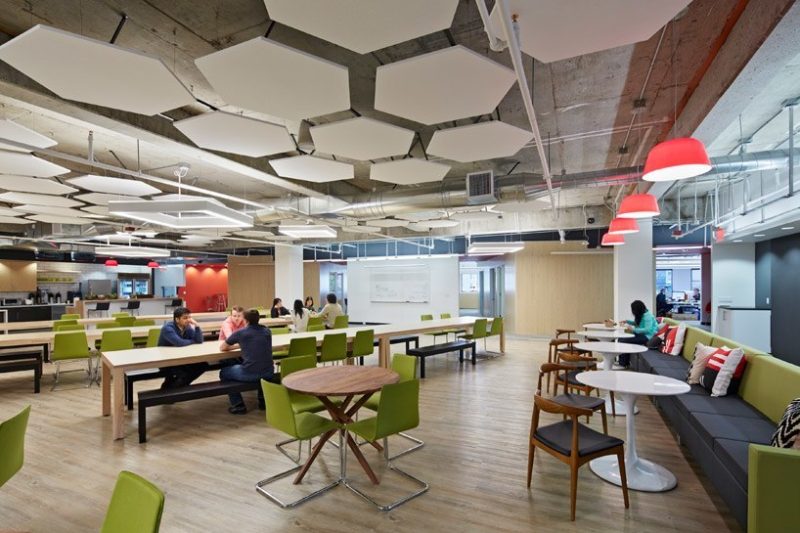
A cramped utility area, a reception desk that never quite worked, meeting rooms with nowhere to store equipment – these are the problems that often push businesses to look at custom office joinery solutions. Not because joinery is a trend, but because standard furniture and off-the-shelf storage can only do so much in a real workplace.
When an office has to support people, technology, brand presentation and day-to-day operations at the same time, every square metre matters. Joinery gives you the chance to use that space properly. Done well, it improves function first, while also lifting the overall look and feel of the workplace.
Why custom office joinery solutions matter
In most commercial fit-outs, the pressure points are predictable. Teams need more storage but do not want the space to feel crowded. Reception needs to make a strong first impression but still handle practical tasks. Breakout areas need to be welcoming, yet durable enough for daily use. Generic products rarely solve all of that cleanly.
Custom office joinery solutions allow each area to be designed around its actual purpose. That might mean integrated storage in a boardroom, lockers built to suit team size, printer cupboards that reduce visual clutter, or a kitchen that supports higher staff numbers without creating bottlenecks.
This is where businesses often see the biggest value. Good joinery is not only about appearance. It supports workflow, reduces wasted space and helps an office feel organised rather than improvised.
Where joinery has the biggest impact in an office
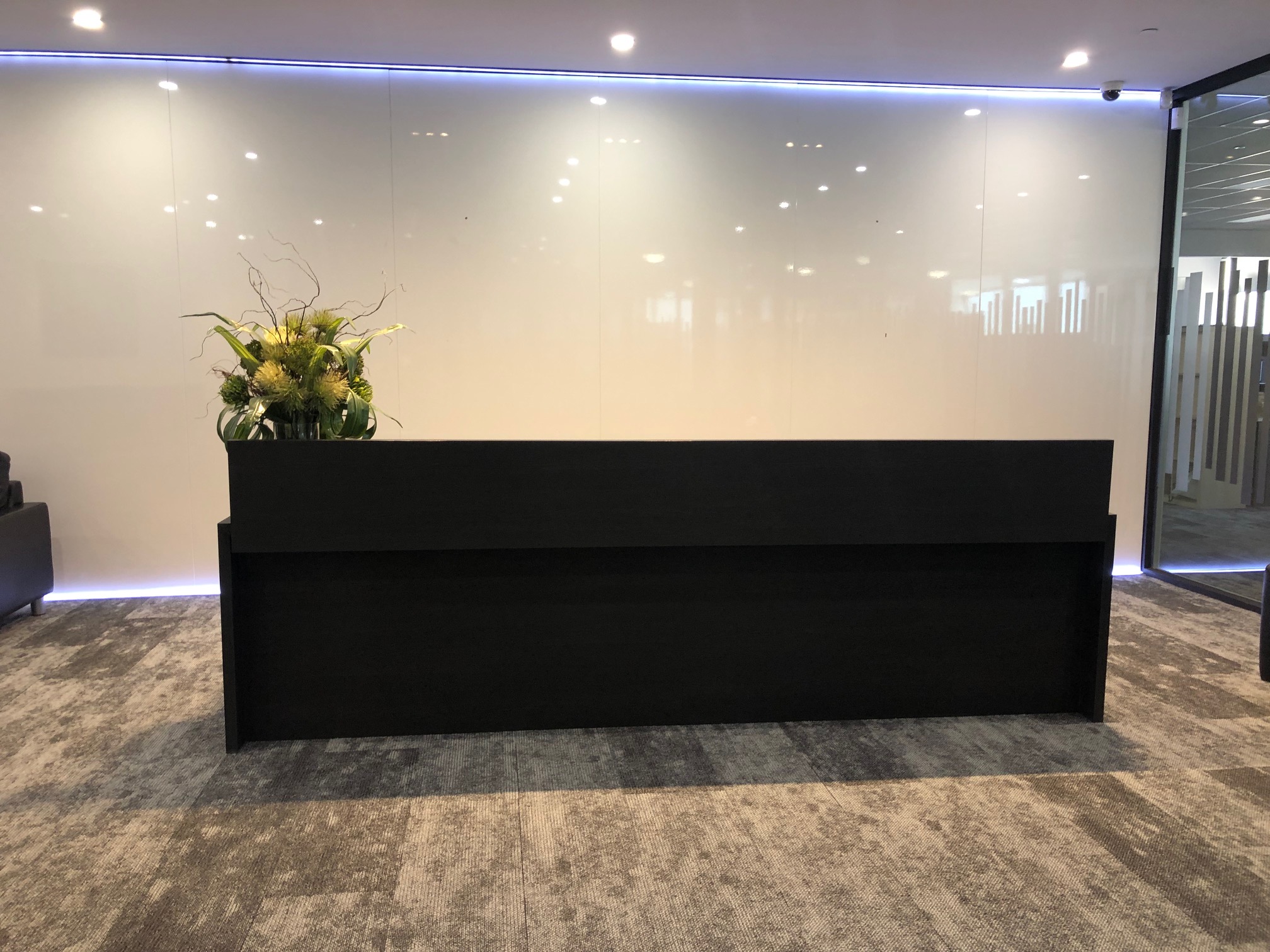
Reception is usually the most visible example. A custom reception desk can house cables, screens, storage and accessible work surfaces while still reflecting the business’s brand. That balance matters. A front desk should look polished, but it also has to work for the people using it every day.
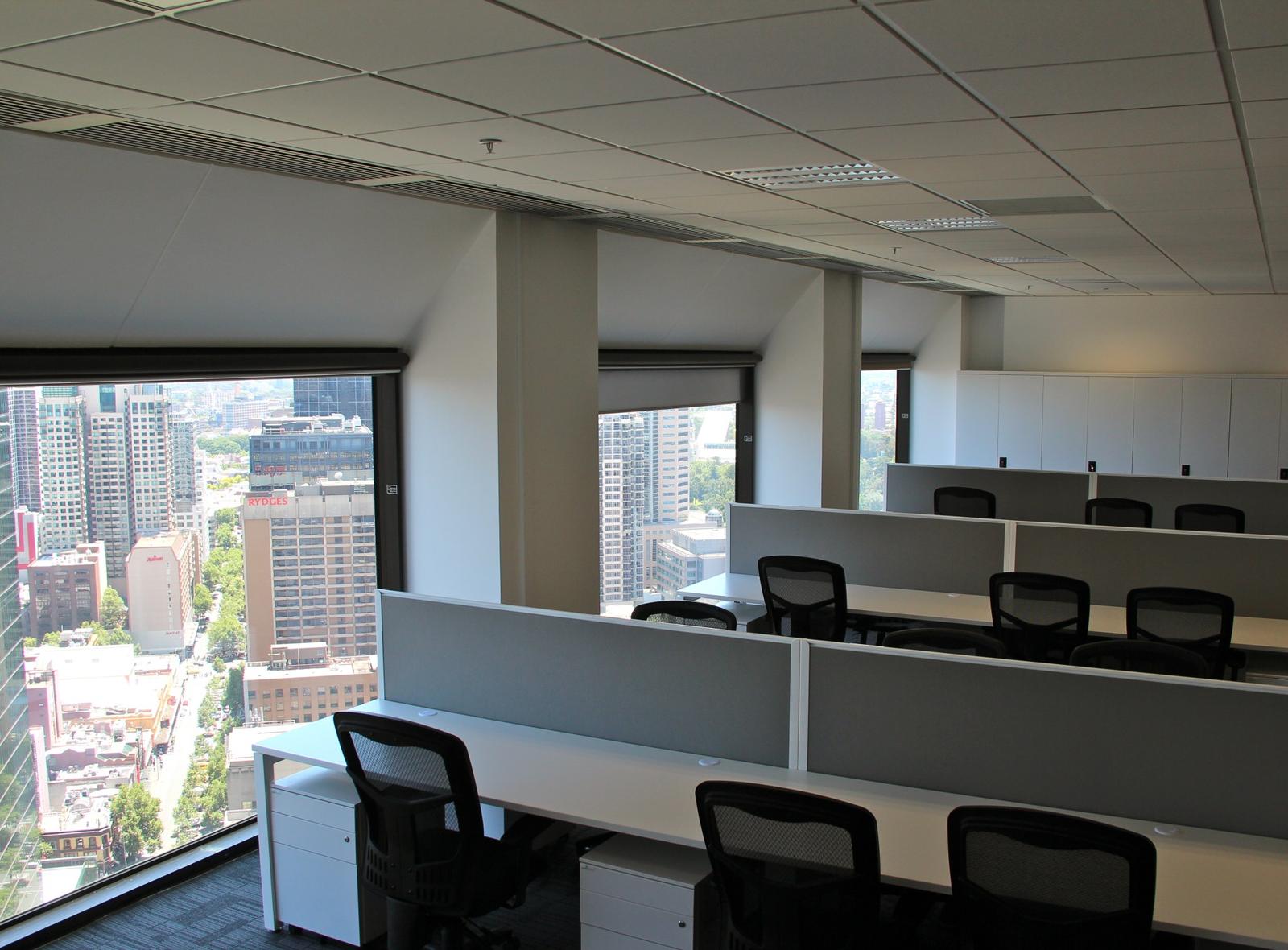
Storage is another major area. In many offices, storage gets treated as an afterthought, then ends up scattered across the floor in mismatched cabinets. Purpose-built joinery creates a more efficient result because it can be designed around exact file sizes, equipment requirements and clearance needs. It can also be incorporated into walls or under-used corners that would otherwise be wasted.
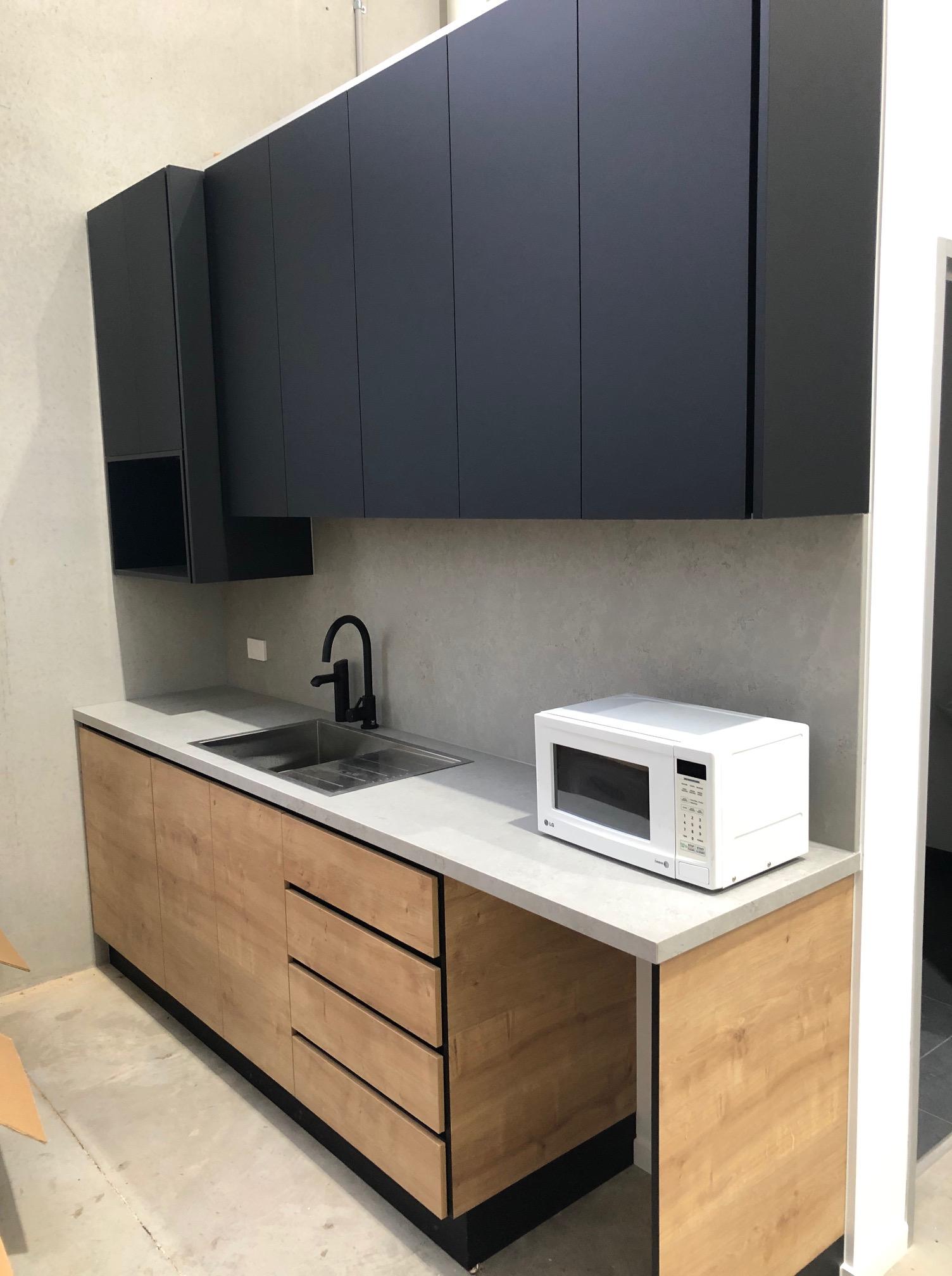
Kitchens and staff breakout zones benefit too. These spaces often carry more load than expected, especially in hybrid workplaces where staff gather on anchor days. Joinery can help these areas cope with higher use through better layouts, more durable finishes and smarter appliance integration.
Meeting rooms, collaboration areas and utility zones are also strong candidates. AV equipment, whiteboards, display shelves, bag storage and concealed services can all be integrated into joinery so the room works harder without looking cluttered.
Custom office joinery solutions and workplace branding
Office design says a lot about a business before anyone speaks. For clients, visitors and prospective staff, the environment shapes early impressions quickly. Joinery plays a bigger role in that than many decision-makers expect.
Materials, colours, profiles and detailing can all be aligned with a company’s brand and culture. A professional services firm may want a refined, understated finish. A creative team may prefer warmer materials and more open display elements. A healthcare or education environment may need a cleaner, more durable specification with ease of maintenance front of mind.
The key is restraint. Branding through joinery works best when it feels considered, not forced. A reception wall, banquette seating, storage unit or kitchenette can reflect brand identity without becoming dated or overly decorative. That matters because joinery is a long-term investment. It needs to look right now and still perform well years later.
The practical side: function, compliance and durability
This is where experience matters. Joinery decisions affect more than layout. They can influence accessibility, circulation, cleaning, safety and maintenance.
For example, a beautiful built-in unit that blocks movement or creates cleaning issues will quickly become a frustration. Likewise, a kitchen with the wrong bench heights or poor appliance placement may look fine in drawings but fail in day-to-day use. In commercial environments, details such as kickboards, edge finishes, hardware quality and material durability all have operational consequences.
There is also the issue of compliance and coordination. Joinery often intersects with electrical, data, plumbing, fire requirements and landlord expectations. If those elements are not planned together, the result can be delays, variations and compromises during construction.
That is why businesses usually get better outcomes when joinery is considered early, as part of the broader fit-out strategy rather than a late addition. It allows the design, budget and build process to stay aligned.
What to consider before you commit
The first question is not what style you want. It is what problem needs solving.
If storage is the issue, define what actually needs to be stored, who needs access and how often it is used. If reception is the focus, consider both client experience and staff functionality. If the office is short on space, look at whether joinery can combine several uses in one footprint, such as seating with storage, or partitioning with integrated shelving.
Budget should also be looked at realistically. Custom joinery generally costs more upfront than standard furniture, but that does not always mean it is the more expensive option over time. When it replaces multiple products, improves space use and lasts longer, the value equation can shift. Still, there are trade-offs. Not every area needs a bespoke solution, and in some cases a combination of custom joinery and quality furniture is the smarter spend.
Lead times are worth discussing early as well. Bespoke joinery involves design development, shop drawings, manufacture and installation. If your project timeline is tight, those steps need to be coordinated carefully with the rest of the works.
The difference between good joinery and expensive joinery
Higher cost does not automatically mean better performance. Good joinery starts with understanding how the office operates, then translating that into practical design and build decisions.
That includes selecting finishes suited to commercial use, making sure dimensions genuinely work, and avoiding unnecessary complexity. It also means thinking about how people will use the space when the office is busy, not just how it looks on handover day.
Sometimes the best solution is simple. A well-designed storage wall with the right mix of open shelving, lockable cupboards and concealed services may deliver more value than a highly detailed feature piece. In other settings, a more prominent design statement makes sense, particularly in client-facing zones. It depends on the purpose of the area and the priorities of the business.
Why integrated delivery usually gets a better result
Joinery sits at the intersection of design, construction and daily operations, so it benefits from clear accountability. When consultants, trades and suppliers are all working separately, details can slip through the cracks. Measurements change, service points move and responsibility becomes blurred.
An integrated project approach reduces that risk. When the design intent, pricing, approvals, manufacture and installation are coordinated through one delivery team, businesses tend to get a cleaner process and fewer surprises. That is particularly valuable in live workplaces where disruption needs to be controlled and decisions need to move quickly.
For organisations planning a refurbishment, relocation or full fit-out, this matters as much as the joinery itself. The real value is not only in having a custom reception desk or storage wall. It is in knowing those elements will be delivered on time, on budget and in a way that supports the wider project.
Integrity Office sees this regularly across office upgrades and fit-outs – the strongest results come from joinery that is designed with the whole workplace in mind, not treated as a standalone item.

Making the space work harder
The best offices are rarely the ones with the most expensive finishes. They are the ones where people can move easily, find what they need, meet without friction and focus on their work. Joinery contributes to that in a quiet but important way.
If your office has awkward corners, storage pressure, underperforming shared spaces or a reception area that no longer reflects the business, custom joinery is worth considering. Not as decoration, but as a practical tool for making the workspace more useful, more cohesive and easier to manage over the long term.
A well-planned office should feel considered in all the places people use every day. That is often where custom joinery proves its value most clearly.
Next step
Find out what your fitout costs.
One team for design, construction, joinery and furniture. One contract, one fixed price, and one person to hold us to it.