A boardroom can quietly work against your business long before anyone says so. The table is too large for the room, chairs are comfortable for twenty minutes and not much longer, power access is awkward, and video meetings feel like an afterthought. Good boardroom furniture solutions fix those issues early, so the room supports better meetings instead of creating small frustrations every day.
For most organisations, the boardroom does more than host formal leadership meetings. It is where clients are welcomed, major decisions are made, teams present ideas, and recruitment conversations happen. That means furniture choices need to do more than look polished. They need to perform well under daily use, suit the way your people actually meet, and align with the wider look and feel of the workplace.
What effective boardroom furniture solutions need to achieve
The best boardroom spaces balance presentation with practicality. A room may need to impress external stakeholders, but if it is difficult to use, that first impression fades quickly. Furniture should support movement, visibility, acoustics, technology use and comfort, all within the limits of the room itself.
That is why one-size-fits-all thinking usually falls short. A growing professional services firm will use a boardroom differently from a school, healthcare provider or government team. Some need a highly formal setting for executive discussions. Others need a multi-purpose room that shifts between leadership meetings, team workshops and hybrid calls. The right solution depends on how often the room is used, who uses it, and how much flexibility is required.
In practice, this means starting with function before finish. Timber veneer, premium upholstery and custom joinery can all add value, but only once the basics are right. Room dimensions, seating numbers, access points and technology integration should lead the conversation.
Start with the table, but do not stop there
The boardroom table tends to get the most attention, and for good reason. It anchors the room visually and determines how people gather, communicate and use technology. But the wrong table can create problems that are hard to solve later.
Size is the first issue. Businesses often choose the largest table they can fit, assuming more seats offer better value. In reality, an oversized table can make the room feel cramped, limit circulation and reduce comfort. People need enough space to pull out chairs, move around the room and enter or leave without disrupting a meeting.
Shape matters as well. Rectangular tables suit many traditional boardrooms and work well for formal structures with a clear head position. Boat-shaped options can improve sightlines and create a more balanced feel across the room. Round or oval tables are useful where collaboration matters more than hierarchy, although they are not always ideal in narrower rooms. There is no universal best choice here. It depends on room proportions, the purpose of the space and the tone the business wants to set.
Surface finish also deserves more consideration than it usually gets. Gloss surfaces may look striking initially, but can create glare under lighting and show fingerprints quickly. Matte finishes are often easier to maintain and more comfortable during long meetings. Durability is another factor. In busy commercial settings, the table must withstand laptops, coffee cups, cables and frequent use without deteriorating too soon.
Boardroom seating affects more than comfort
Chairs are often where budget pressure shows up, but this is rarely the place to cut corners. Boardroom seating influences posture, concentration and the overall experience of the room. If meetings regularly run longer than half an hour, comfort becomes a productivity issue, not just a preference.
The right chair should support a professional appearance while still being practical for real use. Upholstered executive seating can create a premium feel, but the design needs to match the frequency and duration of meetings. In some environments, a slimline visitor chair is enough. In others, better ergonomic support is worthwhile because the room doubles as a workspace for extended sessions, presentations or interviews.
Mobility is another trade-off. Castor chairs make movement easier and can be useful in flexible meeting environments, but they may feel too casual for more formal boardrooms. Fixed-base seating can look cleaner and more grounded, although it reduces adaptability. Armrests, seat width and back height should also be considered carefully, especially when trying to accommodate a wide range of users.
Consistency matters here too. A mismatched set of chairs can make even a well-designed room feel pieced together. A coordinated seating plan helps the boardroom feel intentional and credible, which matters when clients, partners or board members are in the room.
Boardroom furniture solutions should support technology
A boardroom that looks impressive but handles technology poorly will frustrate people almost immediately. Hybrid meetings are now standard in many workplaces, which means furniture needs to work with screens, cameras, microphones, charging and cable management.
This does not always require highly complex custom work, but it does require planning. Power access should be easy to reach without trailing cords across walkways. Data points and cable routing need to be integrated cleanly into the table or floor plan. Screen placement should support visibility from every seat, not just the middle of the room.
In many cases, the furniture layout should be designed alongside audiovisual requirements rather than after them. This is where businesses often save time and cost by taking a more coordinated approach. Instead of selecting furniture first and trying to retrofit technology later, it is better to plan the full room as one environment.
That becomes even more relevant during a wider office refurbishment or fit-out. If walls, flooring, lighting and joinery are already being considered, the boardroom should not be treated as a separate furniture order. The result is usually better when every element is planned together.
Style should reflect the business, not just current trends
Boardroom design carries a branding function whether businesses intend it or not. Clients and staff make assumptions about professionalism, stability and culture based on what the room communicates. Furniture contributes heavily to that impression.
That does not mean every boardroom needs to be highly formal. For some organisations, a warm, contemporary room with softer finishes and less conventional furniture better reflects their culture. For others, a more traditional executive setting remains the right fit. Neither approach is automatically better. The stronger choice is the one that feels aligned with the business itself.
Material selection plays a major role here. Timber can create warmth and authority. Laminate offers durability and value. Metal detailing can sharpen the look of a contemporary space. Upholstery choices influence both acoustics and tone. Even colour matters more than people expect. Dark finishes can feel established and corporate, while lighter palettes often make smaller rooms feel more open and approachable.
The key is restraint. A boardroom should feel considered, not overdesigned. Most businesses benefit more from a timeless room that ages well than from a highly stylised one that dates quickly.
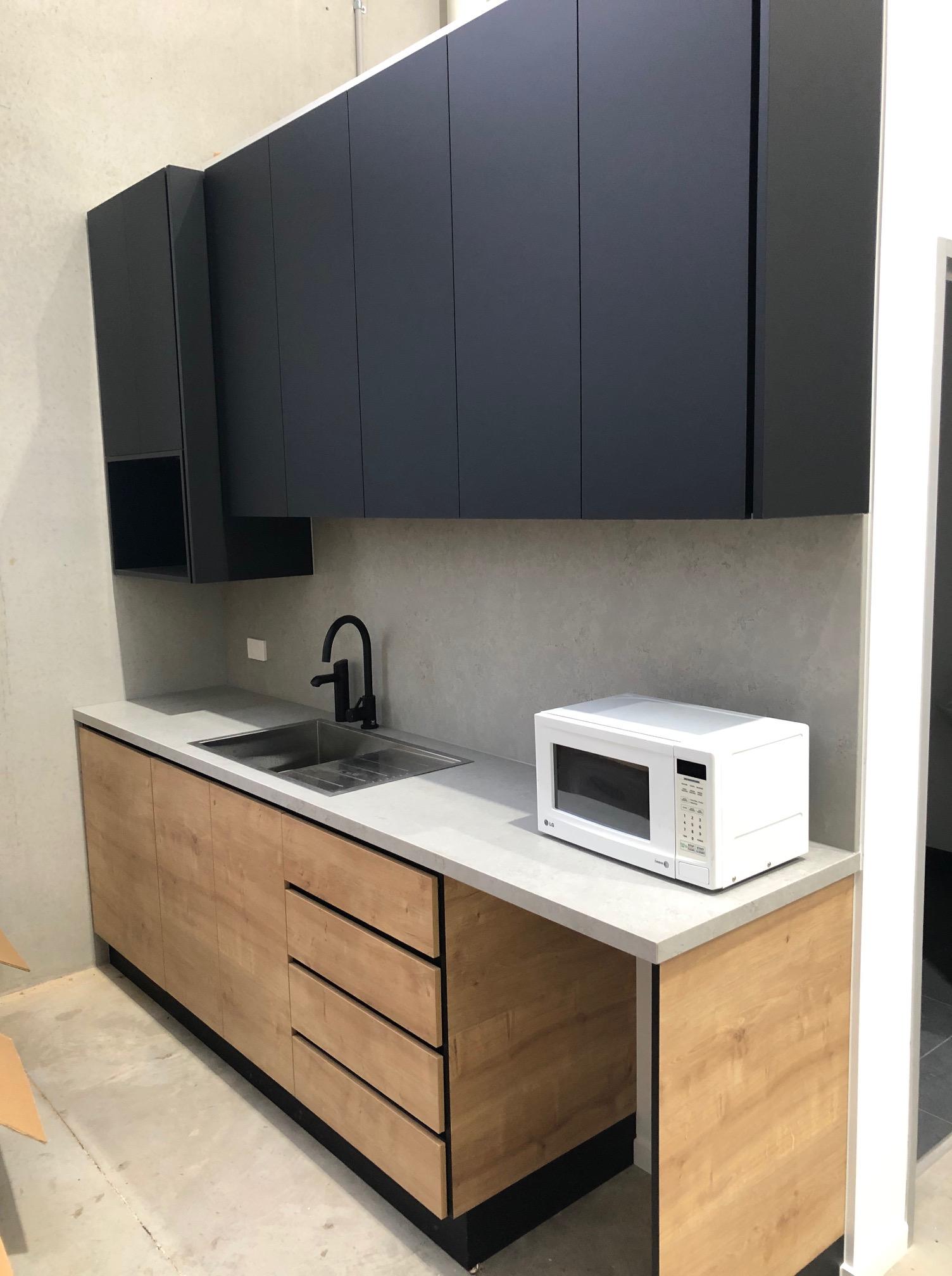
Custom versus standard furniture
Not every boardroom needs a custom-built solution. Standard furniture ranges can work very well, especially where the room is straightforward, timelines are tight or budgets need to stay disciplined. Well-selected standard pieces can still create a polished result if they are sized correctly and coordinated properly.
Custom furniture becomes more valuable when the space has unusual dimensions, specific technology requirements or a strong brand brief. A custom table can solve seating capacity issues, integrate power cleanly and make better use of the room footprint. Bespoke joinery can also improve storage, presentation and visual consistency.
The real question is where customisation adds practical value. If a standard option performs just as well, it may be the smarter investment. If custom work removes compromises that would affect the room every day, the additional spend can make sense.
Why procurement and installation matter as much as selection
Even strong furniture choices can be undermined by poor delivery. Delays, inconsistent product quality, unclear coordination and awkward installation can create unnecessary disruption, especially when a boardroom needs to be operational by a set date.
This is where experience matters. Businesses are often not just buying a table and chairs. They are trying to solve timing, layout, access, landlord constraints and day-to-day disruption all at once. A coordinated project approach makes that easier because the furniture is treated as part of a working office environment, not an isolated purchase.
For organisations across Melbourne managing a refurbishment, relocation or workplace upgrade, that joined-up process can remove a lot of pressure internally. It gives decision-makers clearer accountability, more reliable timelines and fewer gaps between design intent and final delivery.
The best boardroom is rarely the most expensive one. It is the one that fits the room properly, supports the way people meet, reflects the business with confidence and continues to perform well long after the installation team has left. When boardroom furniture solutions are chosen with that in mind, the space starts doing what it should have done all along – helping people focus on the meeting, not the room.
Next step
Find out what your fitout costs.
One team for design, construction, joinery and furniture. One contract, one fixed price, and one person to hold us to it.