
Walk into an office and you can usually tell within minutes whether the space matches the business. A polished client-facing firm operating out of a tired, cluttered workplace sends one message. A people-focused organisation with no room for collaboration sends another. That is why brand aligned office design matters. It is not about adding a logo to a wall or choosing company colours for the carpet. It is about creating a workplace that supports how your business works, how your people feel, and how others experience your brand.
For many organisations, the office is one of the few places where culture, operations and customer perception all meet. When those elements are out of step, the workplace starts working against the business. Staff feel it in the day-to-day. Clients notice it during visits. Leadership sees it when the space no longer supports growth, recruitment or productivity.
What brand aligned office design really means
Brand aligned office design is the practical process of shaping a workplace around your business identity, values and day-to-day needs. That includes the obvious visual elements, such as finishes, furniture and signage, but it also goes much deeper. Layout, acoustics, meeting areas, private work zones, staff amenities and flow all play a role in how your brand is expressed.
A law firm, for example, may need an environment that communicates trust, discretion and professionalism. That could mean refined finishes, well-considered reception areas and private meeting rooms that feel calm and confidential. A growing technology business may need something quite different – flexible project spaces, informal collaboration zones and a layout that supports speed and movement.
The key point is that the design should reflect the reality of the business, not an aspirational look copied from somewhere else. Good offices are not built from trends. They are built from purpose.
Why businesses get it wrong
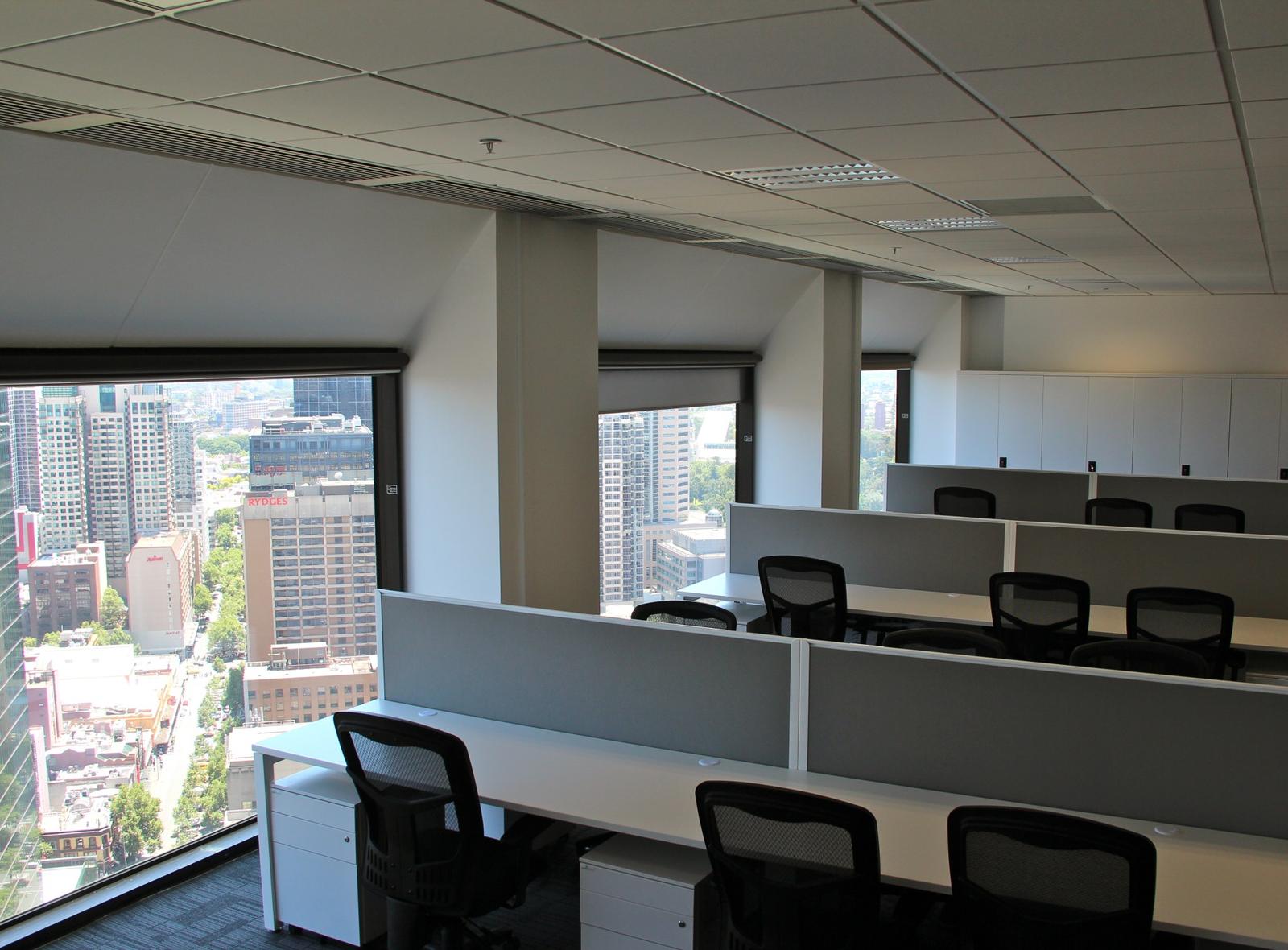
A common mistake is treating office design as a visual exercise rather than a business decision. The result is often a space that looks updated but still fails to solve the real issues. Teams may still struggle with noise. Storage may still be inadequate. Meeting rooms may still be booked out all day because the layout does not match how people actually work.
Another issue is assuming that brand alignment means spending more. In practice, the opposite is often true. When the brief is clear, decisions become easier. Finishes, furniture and layout choices can be assessed against a practical question: does this support the brand and the way the business operates? That level of clarity helps prevent costly changes, unnecessary upgrades and design choices that look impressive on paper but add little value.
There is also a risk in overdoing the branding. A workplace does not need to feel like a billboard. If every surface shouts the company identity, the result can feel forced and dated very quickly. A better approach is to use restraint. Material choices, consistency, tone and functionality usually say more about a business than oversized graphics ever will.
How brand aligned office design supports business performance
When a workspace is aligned with the brand, it tends to perform better on several levels at once. Staff experience is one of the biggest. People work more confidently in environments that make sense, feel considered and support the tasks they need to complete. That does not mean every office must be open-plan and energetic. In some businesses, the right environment is quieter, more structured and more private.
Recruitment and retention also come into play. Candidates are assessing more than salary and job title when they walk through your office. They are reading cues about leadership, culture, professionalism and whether the workplace feels like somewhere they can do their best work. The office does not need to be flashy, but it should feel intentional.
Client confidence is another factor. For organisations that host meetings, presentations or regular site visits, the workspace becomes part of the service experience. If your brand promises quality, care and attention to detail, the office should reinforce that promise. If your business is known for efficiency and practicality, the workplace should not feel confusing or poorly planned.
Then there is operational performance. A well-designed fit-out can improve circulation, reduce friction between teams, create better use of floor space and support future growth. These gains are often more valuable than the purely aesthetic ones because they affect the business every day.
The practical elements of a brand aligned office design
The strongest workplace projects start with business questions, not finish schedules. What does your team need to do well each day? How often do clients visit? Where are the pressure points in the current layout? What impression should the space create, and what impression does it currently create instead?
From there, design choices become more grounded. Layout is usually the first major decision because it determines how people move, meet and focus. A brand that values collaboration may need a mix of open team areas and enclosed meeting rooms rather than one or the other. A business built on confidential advice may place greater value on acoustic privacy and controlled access.
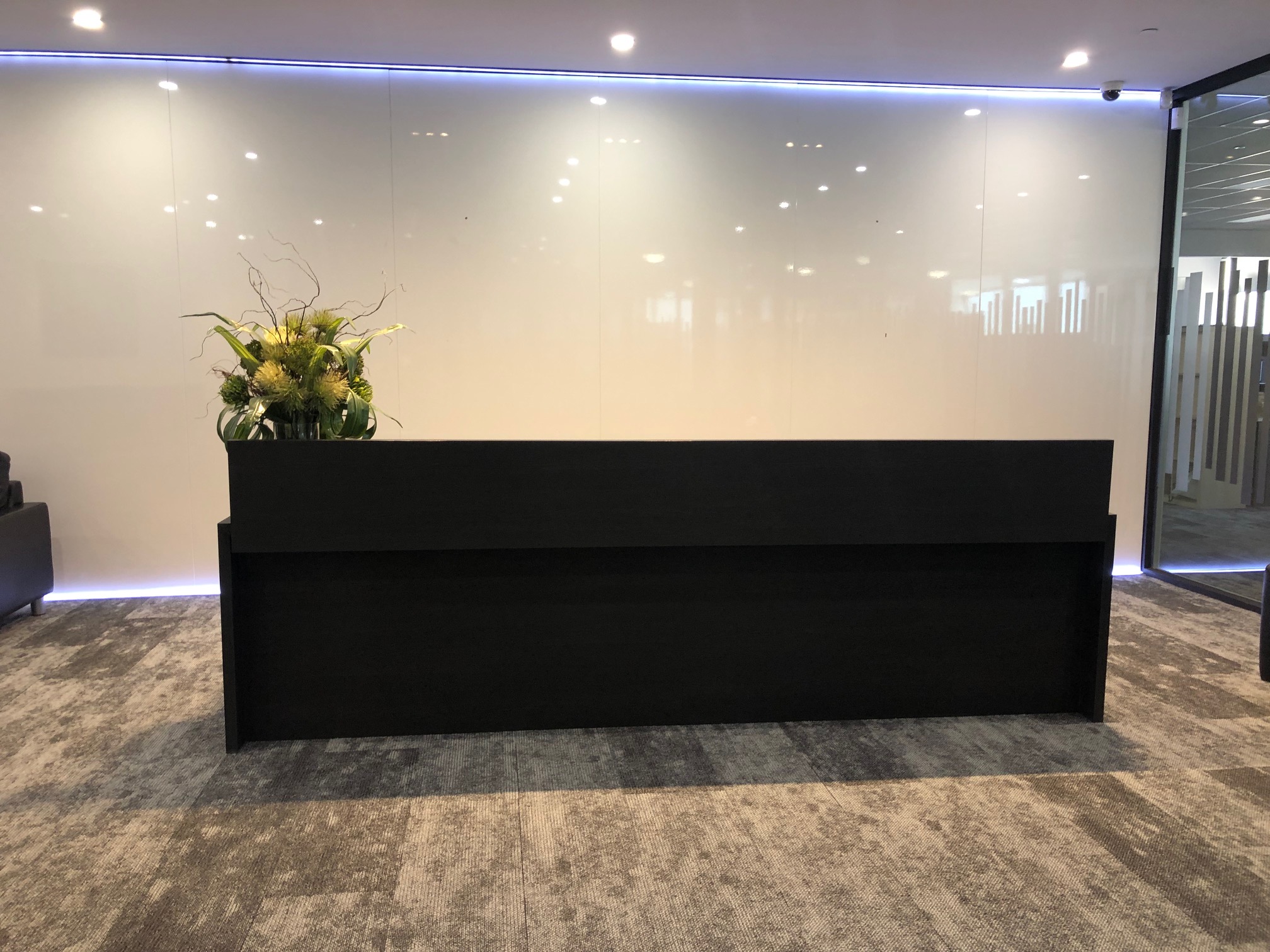
Furniture matters as well, because it shapes both function and perception. Ergonomic seating, practical workstations and durable breakout furniture all contribute to a workplace that feels considered and dependable. Reception furniture, boardroom settings and waiting areas often carry added weight because they are highly visible touchpoints for visitors.
Joinery and finishings help bring identity into the space without relying on obvious branding. Timber tones, glazing, flooring, lighting and wall treatments can all influence whether a workplace feels formal, warm, clinical, creative or corporate. The right combination depends on the business. A healthcare setting will have very different priorities from a private commercial office, even if both want to feel professional and welcoming.
It depends on the business, not the trend
There is no single formula for brand aligned office design, and that is exactly the point. What works for a government department will not necessarily suit a marketing agency. What feels right for a long-established professional services firm may feel completely wrong for a fast-growing education provider.
Budget matters too. Not every project needs a complete strip-out and rebuild. In some cases, a targeted refurbishment, new furniture, updated finishes and a smarter use of existing space can shift the workplace significantly. In others, especially when leases, staffing levels or operational needs have changed, a full fit-out may be the more sensible long-term decision.
Timing is another trade-off. Businesses often want quick delivery with minimal disruption, which is fair enough. But moving too fast without a clear brief can create problems that are expensive to fix later. The best outcomes usually come from balancing speed with proper planning, especially where landlord approvals, compliance requirements and staged works are involved.
Why delivery matters as much as design
Even the strongest office concept can fall apart during delivery if the process is fragmented. That is often where businesses feel the most pressure. There are builders, furniture suppliers, permits, building rules, moving parts and deadlines to manage, all while normal operations still need to continue.
That is why experience matters. A workplace project needs more than creative ideas. It needs coordination, realistic budgeting, clear communication and accountability from start to finish. For many businesses, having one project partner manage design, construction, furniture and compliance reduces risk and saves time.
This becomes even more important when the office must remain operational during part of the works, or when there are multiple stakeholders involved in approving the project. A clear process does not just make delivery easier. It protects the original intent of the design so the finished space actually reflects the business as planned.
In Melbourne, where tenancy requirements, timelines and budget scrutiny can be particularly tight, practical project management is often the difference between a good idea and a successful outcome.
A workplace should feel like your business
The best offices do not rely on gimmicks. They feel coherent. Staff understand how to use the space. Clients get a clear sense of who they are dealing with. Leaders can see that the workplace supports both the brand and the day-to-day running of the business.
That is the real value of brand aligned office design. It connects appearance with purpose and culture with function. When those things line up, the office becomes more than a place to work. It becomes a practical asset that supports performance, strengthens perception and makes future decisions easier.
If your current space feels out of step with the business you have built, that is usually a sign worth paying attention to. A well-planned workplace should not only look the part. It should help your people and your business move forward with confidence.
Next step
Find out what your fitout costs.
One team for design, construction, joinery and furniture. One contract, one fixed price, and one person to hold us to it.