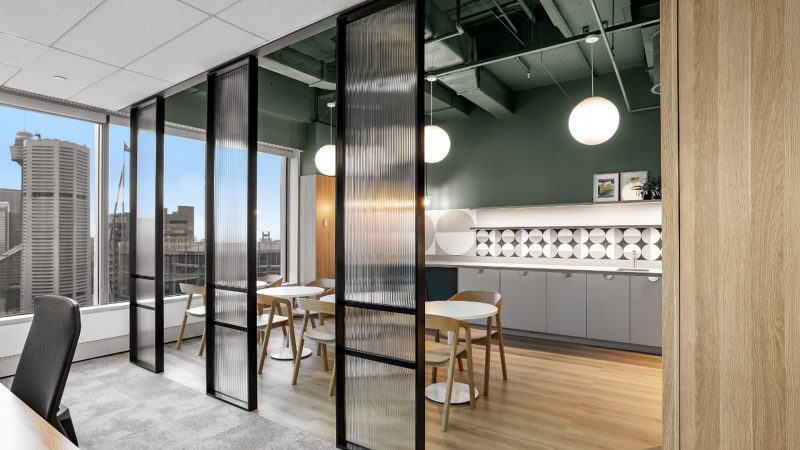
When an office no longer fits the way your team works, the problem shows up quickly. Meeting rooms sit empty while quiet corners are booked out, storage spills into walkways, older finishes date the brand, and small maintenance issues start distracting staff and visitors alike. That is usually the point businesses start looking for Melbourne office refurbishment specialists – not for a cosmetic change, but for a workplace that works better day to day.
A well-run refurbishment can improve how people move, meet, focus and collaborate without the cost and disruption of starting again from scratch. It can also solve practical issues that matter just as much as design, including compliance, capacity, acoustics, furniture performance and landlord requirements. For most organisations, the real value is not in new carpet tiles or fresh paint. It is in getting a space that supports the business properly and a project that stays controlled from start to finish.
What office refurbishment should actually achieve
Refurbishment is often treated as a visual upgrade, but business decision-makers usually have broader goals. You may need to fit more people into the same footprint, support hybrid work, replace worn furniture, improve first impressions for clients, or bring an inherited tenancy into line with your current brand and culture.
That means the best result is rarely the most dramatic one. It is the one that solves the right problems. In some workplaces, that might mean reworking open-plan areas to create better zoning and privacy. In others, it could be as straightforward as upgrading finishes, improving lighting and replacing underperforming workstations. The answer depends on how the office is used now, what is frustrating staff, and where the business is heading over the next few years.
There is also a financial trade-off to weigh up. A lighter refurbishment can extend the life of a tenancy and improve staff experience without major building works. A more comprehensive upgrade can deliver better long-term value if the existing layout is inefficient or the space no longer reflects the business at all. Good advice matters here, because overcapitalising on a short lease or underinvesting in a strategic site can both become expensive mistakes.
Why Melbourne office refurbishment specialists add value
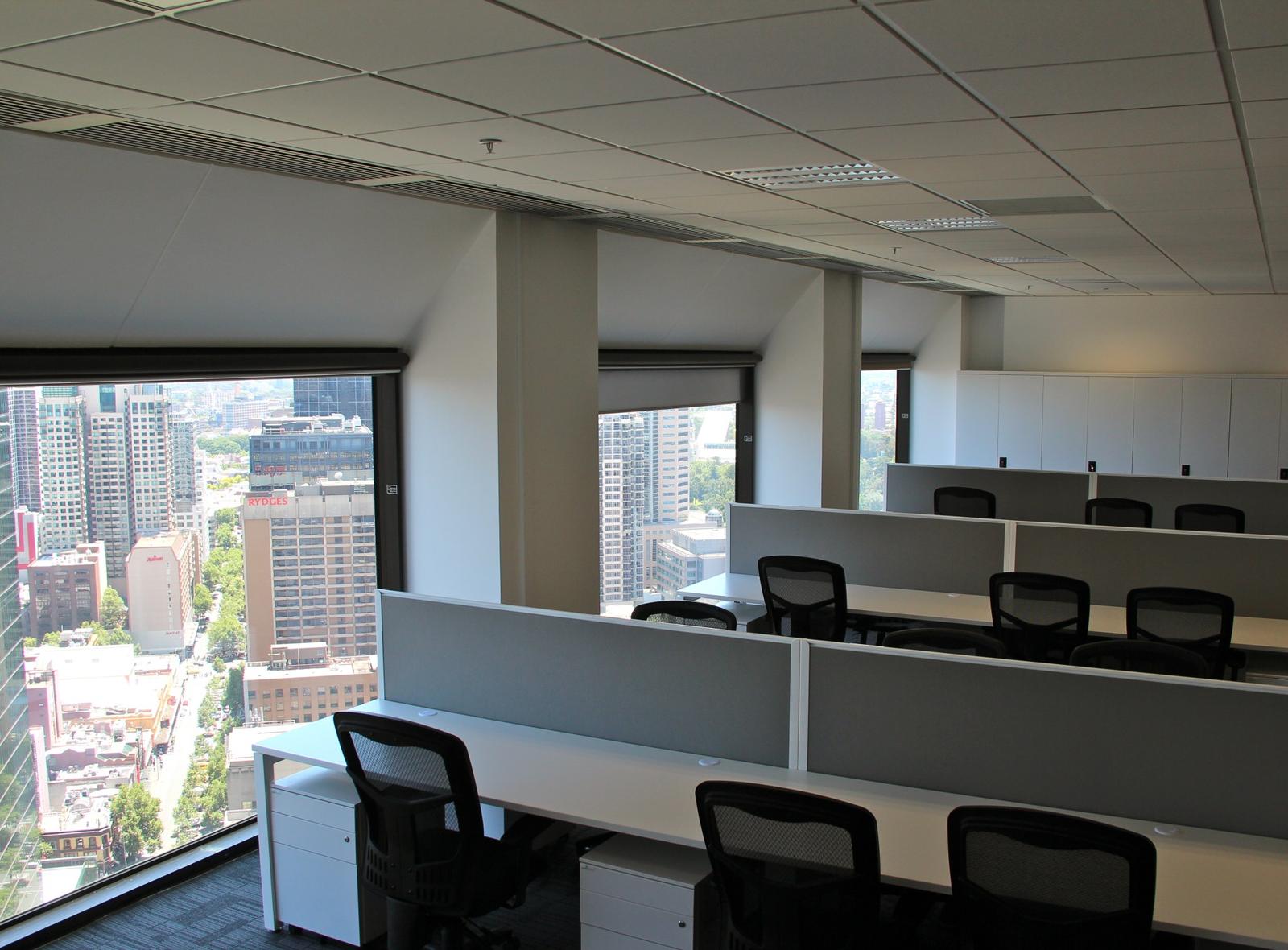
Refurbishing an occupied office in Melbourne comes with practical layers that are easy to underestimate. Building rules vary, landlord approvals can slow things down, after-hours access may be required, and works need to be coordinated around staff, technology and day-to-day operations. This is where experienced Melbourne office refurbishment specialists make a clear difference.
The main value is not just design capability. It is project control. An experienced partner can assess the site, identify what can stay and what needs replacing, map out staging, coordinate trades, manage permits and handle the communication between building management, contractors and the client team. That single point of accountability matters because office projects tend to become difficult when responsibility is fragmented.
It also helps protect the budget. Refurbishment work often uncovers hidden conditions once ceilings, walls or joinery are opened up. Not every issue can be predicted, but a team with genuine delivery experience is more likely to flag likely risks early, allow for them properly and avoid unrealistic scopes that look attractive on paper but unravel later.
The difference between a smooth project and a disruptive one
Most businesses can tolerate some inconvenience during an office upgrade. What they cannot afford is ongoing uncertainty. Staff want to know where they will sit, leaders need confidence about timing, and finance teams need visibility over cost. A smooth refurbishment is built on planning, not luck.
That starts with understanding how much work can happen while the office remains occupied. In some cases, staged works across zones make sense. In others, a short-term decant or weekend program is more efficient. There is no universal answer. It depends on the tenancy size, the complexity of the works and how sensitive your operations are to noise, dust and downtime.
Communication is equally important. The best refurbishment teams keep decisions moving by presenting options clearly, confirming selections early and resolving issues quickly. That sounds basic, but it is often the difference between a project that finishes on time and one that drifts because too many details were left until the last minute.
What to look for in Melbourne office refurbishment specialists
If you are comparing providers, capability on paper is only part of the picture. What matters more is whether they can take ownership of the whole process and make it easier for your team.
Look for practical experience across design, construction, furniture and post-project support. Refurbishment rarely sits neatly in one category. You may need new joinery, updated finishes, ergonomic seating, feature areas, electrical changes and small maintenance items all rolled into the same project. A provider that can manage those moving parts under one delivery model usually creates fewer gaps and fewer delays.
Fixed pricing is also worth serious attention. It gives decision-makers clearer control and reduces the chance of a low initial figure turning into a series of variations. That said, fixed price should still come with a clearly defined scope. If the brief is vague, the number may be fixed but the outcome may not be.
It is also reasonable to ask how they manage live environments. Refurbishing an empty office is one thing. Working around active teams, visitors, shared building access and operational deadlines is another. Experience in live commercial settings shows up in the details – staging, safety, site cleanliness, timing and communication.
Design matters, but function matters first
Businesses do not refurbish offices simply to impress visitors, although presentation does matter. They refurbish because the workplace needs to support performance. That means design decisions should be tied to function from the beginning.
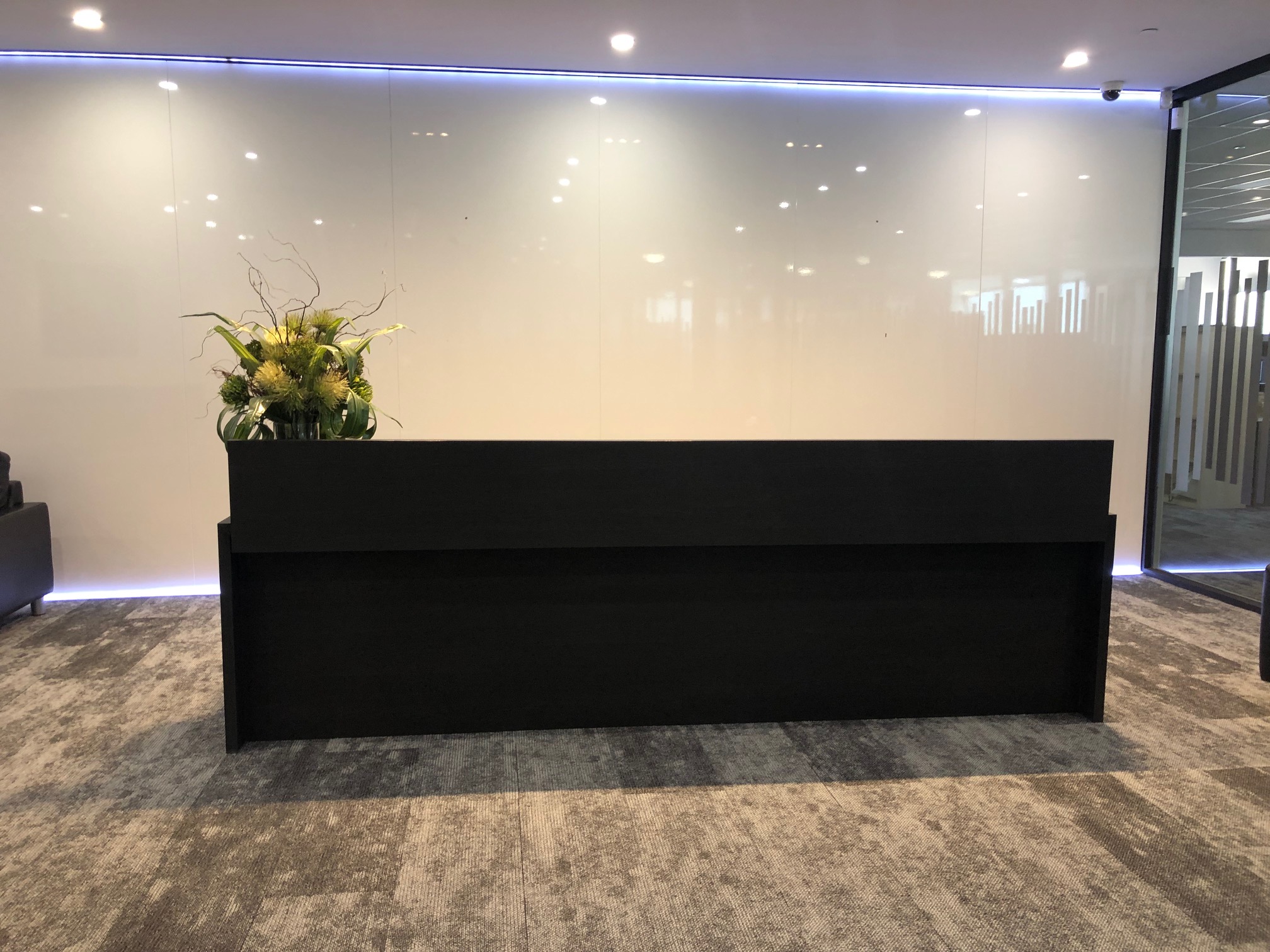
A reception area should reflect the organisation and create confidence, but it also needs to handle visitor flow and security. Workstations should look consistent and professional, but they also need to support comfort and technology access. Meeting spaces should align with the brand, yet still work acoustically and practically for the people using them every day.
This is where culture comes into the conversation. A legal office, healthcare administration team, education provider and creative business may all want a modern workplace, but they will not use that space in the same way. A good refurbishment responds to those differences instead of applying a generic style.
Budget control is about more than the cheapest quote
One of the biggest misconceptions in office refurbishment is that price alone tells you which option offers better value. In reality, the cheapest quote can become the most expensive if it misses key items, relies on unrealistic allowances or leaves the client to coordinate major parts of the project themselves.
Value comes from clarity. You want to know what is included, what assumptions have been made, how the timeline will be managed and who is responsible for approvals, trades, building access and defects. This is where a turnkey approach often gives clients more confidence. It removes the need to chase separate consultants, suppliers and installers while still keeping visibility over cost and scope.
For businesses working to firm financial approvals, that certainty matters. CFOs and operations leaders generally need fewer surprises, not more design options. They want a workplace that is fit for purpose, delivered professionally and aligned with the agreed budget.
When refurbishment makes more sense than relocation
Relocation can solve some workplace issues, but it is not always the smartest move. If your current site has a strong location, favourable lease terms or good access for staff and clients, refurbishment may be the better commercial decision.
Upgrading the existing space can preserve business continuity, reduce the complexity of moving and allow more budget to go into the workplace itself rather than into duplicate costs and transition issues. Of course, if the tenancy cannot support your future headcount or the building constraints are too limiting, relocation may still be the right call. The point is that refurbishment should be assessed strategically, not as a fallback option.
For many Melbourne businesses, the strongest outcome comes from treating refurbishment as an opportunity to reset the workplace around current needs rather than legacy layouts. That might involve better meeting space ratios, more flexible workpoints, upgraded amenities or furniture that genuinely improves comfort and productivity.
A dependable project partner can make that process far less complicated. With the right planning and delivery model, a refurbishment becomes a controlled business improvement rather than a drawn-out disruption. If your office is no longer helping your team do its best work, that is usually the clearest sign it is time to rethink the space with care and get the practical details right from the start.
Next step
Find out what your fitout costs.
One team for design, construction, joinery and furniture. One contract, one fixed price, and one person to hold us to it.