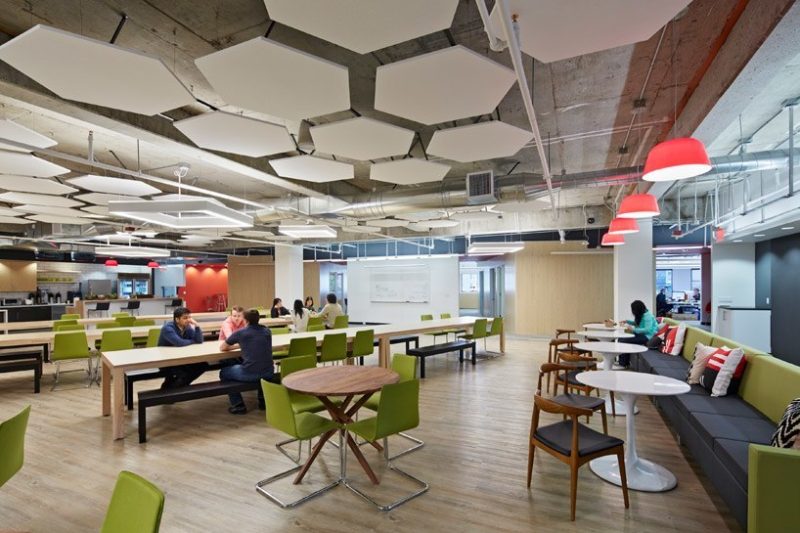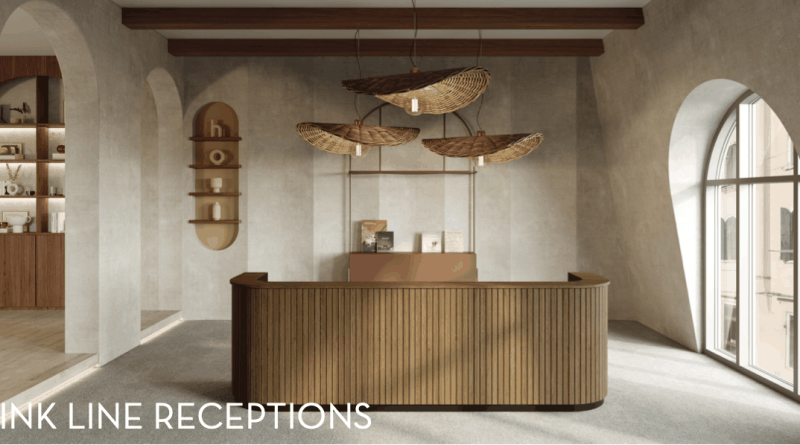
A workplace starts telling staff and clients what your business stands for before anyone says a word. The layout, finishes, lighting and furniture all shape how people move, meet, focus and feel. That is why commercial interior design Melbourne businesses invest in is rarely just about appearance. It is about performance, culture and making better use of the space you are already paying for.
For many organisations, the challenge is not deciding whether change is needed. It is knowing how to approach it without disrupting day-to-day operations, blowing out the budget, or ending up with a space that looks good in photos but falls short in practice. Good commercial interiors solve those problems early. They align design decisions with business goals, building requirements and the realities of how teams actually work.
What commercial interior design in Melbourne needs to achieve
A strong commercial interior is doing several jobs at once. It has to support productivity, reflect the brand, comply with regulations, and remain practical to maintain over time. In Melbourne, there is often another layer as well. Businesses may be working within older CBD buildings, suburban offices with mixed tenancies, medical or education environments, or premises with landlord constraints that affect timing, approvals and construction methods.
That means design cannot sit in isolation from delivery. A concept might look impressive on paper, but if it ignores services, access, acoustic needs, compliance, or cost planning, it creates problems later. This is where experience matters. The best results usually come from a design process that considers fit-out, furniture, joinery, finishes and approvals together, not as separate streams.
There is also no single model for a successful workspace. A professional services firm may need more enclosed meeting rooms and client-facing areas. A healthcare provider may prioritise privacy, hygiene and efficient staff circulation. A growing business may be trying to fit more people into an existing footprint without making the office feel crowded. The right solution depends on what the space needs to do every day.
The shift from office aesthetics to workplace performance
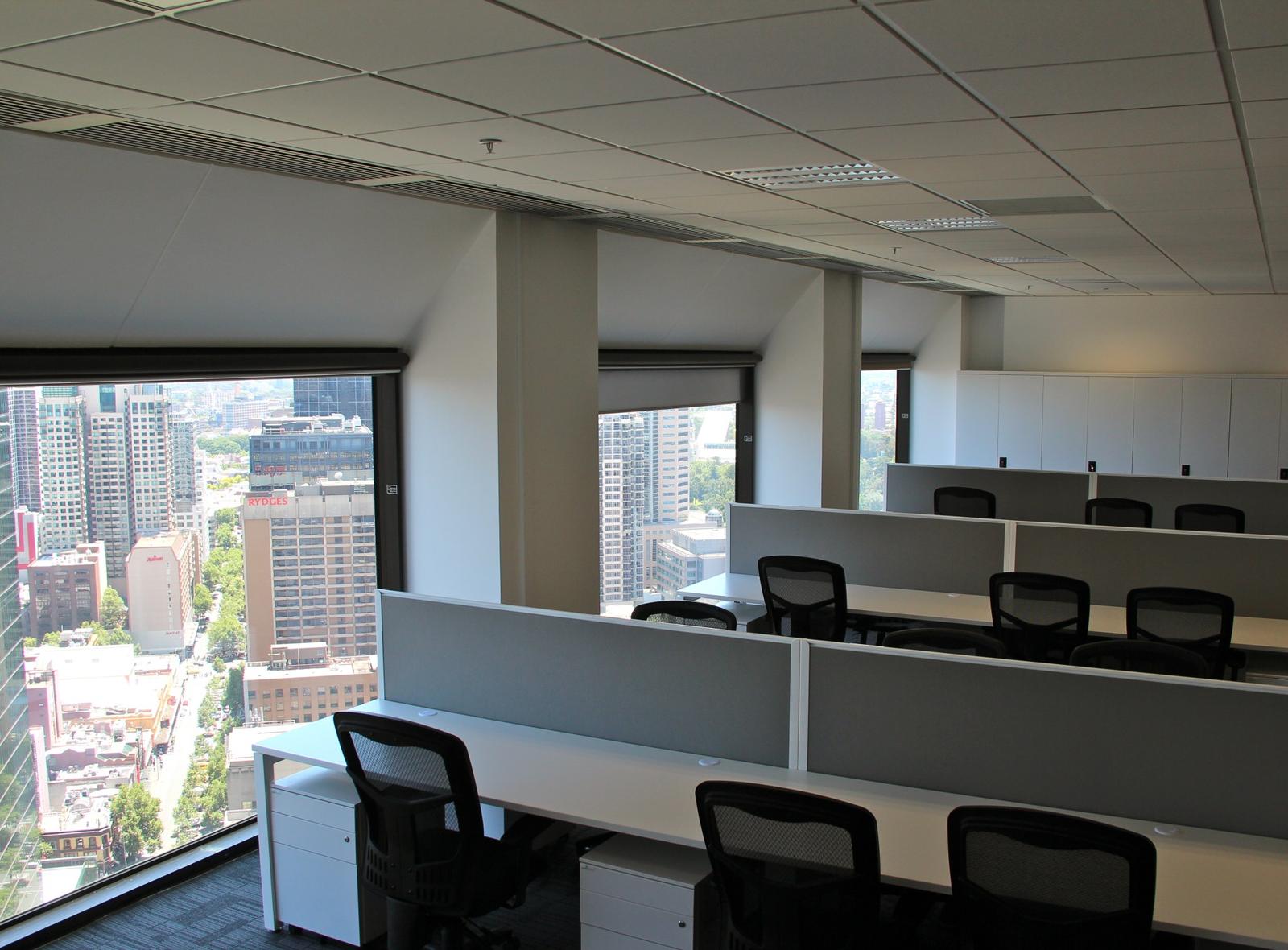
Commercial interior design Melbourne companies request today is more operational than it was a decade ago. Decision-makers are asking sharper questions. Will the new layout support hybrid work? Are there enough quiet zones for focused tasks? Does the reception area reflect the quality of the business? Can teams collaborate without creating constant noise? Will the furniture last, and is it suitable for the way staff work now?
These are practical concerns, and they should shape the design from the start. A workplace that is all open plan may encourage interaction, but it can also reduce concentration and privacy. A heavily partitioned office may provide quiet, but it can limit flexibility and make the space feel dated. Most businesses need a balanced approach rather than an all-or-nothing model.
That balance often includes a mix of workstations, breakout areas, meeting spaces, private rooms and informal collaboration zones. It may also involve better storage, more thoughtful traffic flow and improved use of underperforming areas. Even relatively small changes can shift how a workplace functions if they are planned properly.
Why brand and culture should show up in the space
A commercial interior should feel like the business it belongs to. That does not mean filling the office with logos or forcing design trends into spaces where they do not fit. It means making sure the environment supports the organisation’s identity and values in a credible way.
For some businesses, that might mean polished, client-ready spaces with refined finishes and strong presentation areas. For others, it could be a more relaxed, collaborative environment that helps with staff engagement and recruitment. In both cases, the design should feel intentional.
Culture matters here just as much as brand. If a company says it values collaboration, but the layout makes spontaneous interaction difficult, there is a disconnect. If wellbeing is part of the internal message, but lighting, ergonomics and acoustic comfort are poor, staff notice. Workplace design will not fix every cultural issue, but it can reinforce what the business is trying to build.
Budget matters, but so does where the money goes
One of the most common concerns with commercial interiors is cost uncertainty. That concern is fair. Without proper planning, projects can expand quickly once hidden building issues, scope changes or approval requirements start appearing.
A more reliable approach is to connect design decisions to budget realities from the beginning. That includes understanding which elements have the biggest impact on daily function and which are more cosmetic. In some projects, investment in joinery, acoustics or meeting spaces will deliver stronger value than premium decorative finishes. In others, furniture replacement may transform the workplace without the need for major construction.
It also helps to distinguish between short-term savings and long-term value. Choosing lower-cost materials or furniture might reduce the upfront spend, but it can increase maintenance issues, wear and replacement costs later. The right budget is not always the cheapest option. It is the one that supports the life of the space and avoids unnecessary rework.
Delivery is where good design is proven
A commercial interior project is only as successful as its execution. Clear drawings and attractive concepts matter, but businesses also need confidence that timelines will be managed, trades will be coordinated, landlord requirements will be addressed and disruption will be kept under control.
This is often where a fragmented project team creates stress. If design, construction, furniture and compliance sit with different parties, the client can end up managing the gaps between them. Questions get bounced around. Responsibility becomes unclear. Delays become more likely.
An end-to-end model reduces that risk because the project is managed as one connected process. Design intent, buildability, procurement and installation are aligned from the start. For busy office managers, operations leaders and business owners, that single point of accountability is not a minor convenience. It can make the difference between a controlled project and a drawn-out one.
That practical delivery focus is a big reason many businesses prefer working with an experienced partner such as Integrity Office. When consultation, fit-out, furniture, finishes and maintenance are considered together, the outcome is usually more efficient and far easier for the client to manage.
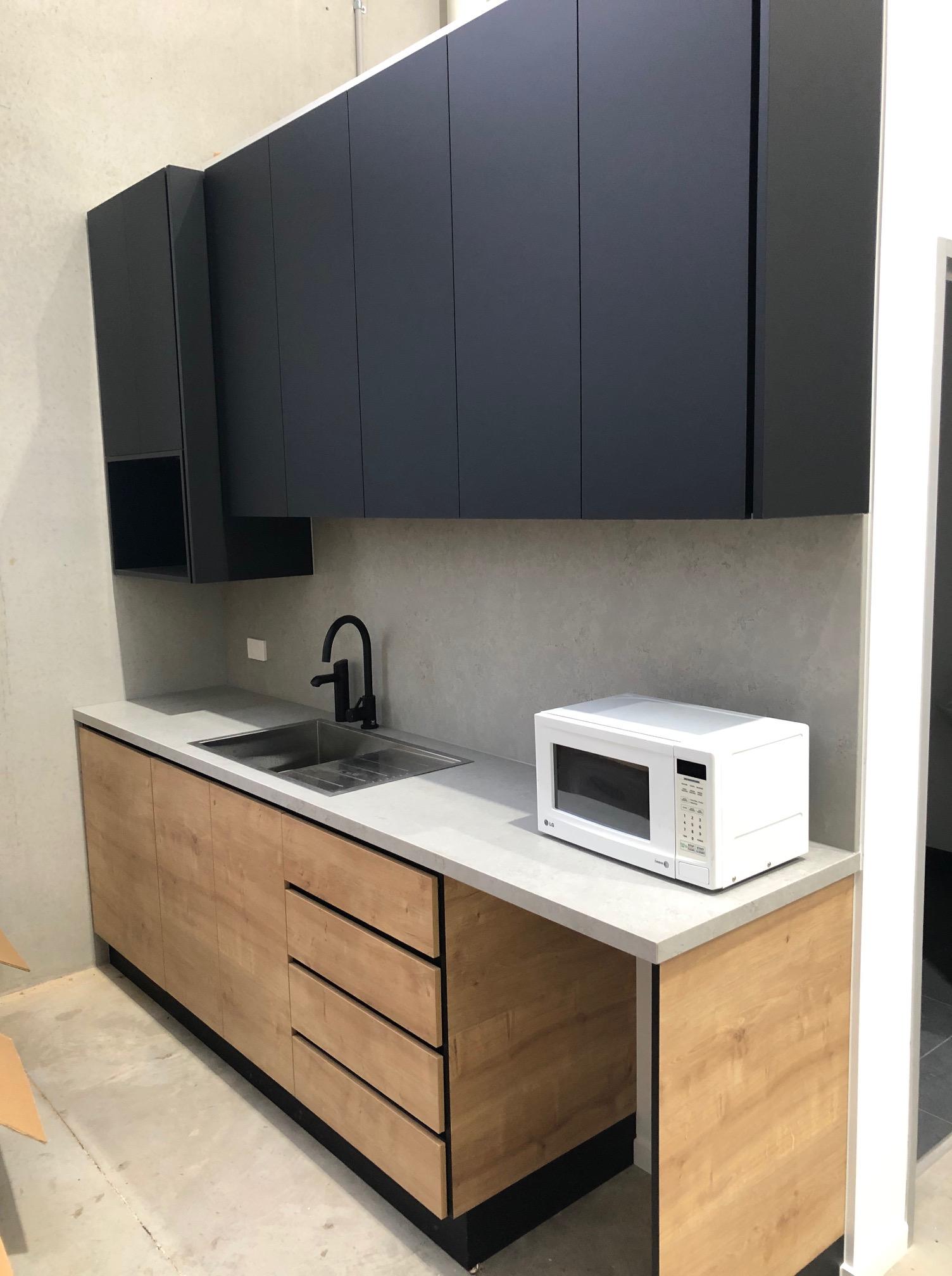
Common mistakes businesses make with commercial interior design Melbourne projects
The first is treating design as the final polish instead of the foundation. If the project starts with a rush to pick colours and furniture before workplace needs are understood, the result can look updated without actually solving anything.
The second is underestimating approvals and building conditions. In Melbourne, tenancy rules, base building limitations and access restrictions can affect both design and programme. If those factors are picked up late, they can cause expensive changes.
The third is designing around assumptions rather than evidence. Leadership may think they know how staff use the workplace, but real patterns often differ. Meeting rooms may sit empty while informal spaces are overloaded. Storage may be taking up room that could be repurposed. A brief grounded in actual workflow tends to produce better results.
Finally, some businesses overcorrect toward trends. Residential-style offices, hot-desking everywhere, or highly stylised breakout spaces can work in some environments, but not all. A workplace should reflect current expectations without losing sight of the business case.
How to know when it is time to redesign
Sometimes the signs are obvious. The team has outgrown the layout, the furniture is worn, or the business is relocating. In other cases, the need shows up more gradually through operational friction. Staff struggle to find quiet space. Visitors get a poor first impression. Storage spills into work areas. Collaboration happens in corridors because there is nowhere else for it to happen.
A redesign is also worth considering after a merger, a change in work style, a brand refresh or a shift in service delivery. These moments often expose a mismatch between the current space and the way the organisation now operates.
Not every project needs a complete strip-out. Some workplaces benefit from a staged refurbishment, furniture upgrade or reconfiguration of key zones. The right scope depends on the problem being solved, the condition of the existing tenancy and the budget available.

Choosing the right commercial interior partner
For most decision-makers, confidence comes from clarity. You want to know what is included, what the process looks like, who is responsible, how variations are handled and whether the team has delivered similar projects before.
The right partner should be able to speak credibly about design, but also about construction, compliance, scheduling and business disruption. They should understand that a workplace project is not happening in a vacuum. Staff still need to work, clients still need access, and leadership still needs cost control.
That is why experience counts for more than presentation alone. A dependable commercial interiors partner will ask the right questions early, identify risks before they become expensive, and shape a solution that fits the business rather than forcing the business to fit the design.
A well-planned workplace pays off long after the handover. It supports your people, presents your business properly and makes day-to-day operations easier, which is exactly what good commercial interior design should do.
Next step
Find out what your fitout costs.
One team for design, construction, joinery and furniture. One contract, one fixed price, and one person to hold us to it.