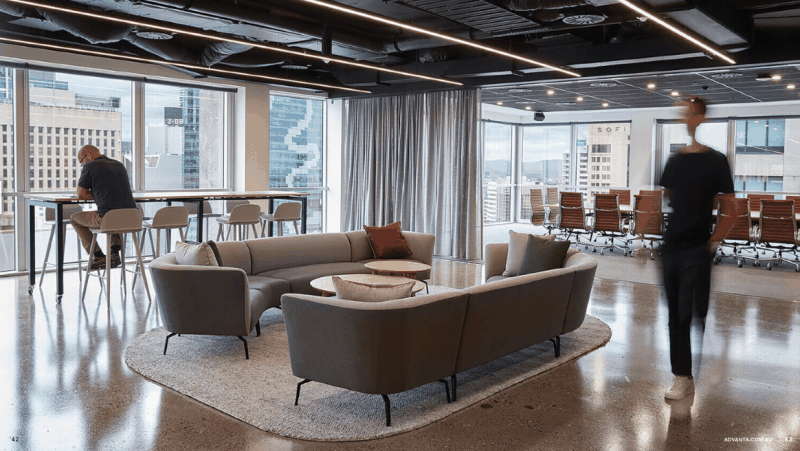
A good office refurbishment is usually judged long before the paint dries. If the budget keeps shifting, staff are displaced for weeks, or key approvals are missed, the project starts creating problems instead of solving them. That is why knowing how to plan an office refurbishment properly matters from day one.
For most businesses, refurbishment is not just a design exercise. It is an operational decision that affects productivity, staff morale, client impressions and future growth. The best results come from careful planning, realistic staging and a clear understanding of what the space needs to do.
How to plan an office refurbishment without costly surprises
The first step is defining the reason for the refurbishment. Some workplaces need more capacity, others need better flow, updated finishes, improved meeting spaces or a layout that better reflects the company brand and culture. In many cases, it is a mix of all of these.
If the brief is vague, the project tends to drift. A statement like “we want the office to feel more modern” is not enough on its own. It helps to turn that idea into practical outcomes, such as creating more collaborative areas, improving acoustic privacy, upgrading staff amenities or reducing underused floor space.
This early stage is also where internal alignment matters. Operations, finance, HR and leadership often view the office through different lenses. One team may be focused on headcount, another on compliance, and another on staff experience. Bringing those priorities together early can prevent expensive redesigns later.
Start with how the office actually works
Before making decisions about finishes or furniture, look at how the current workplace is performing. Which spaces are used well, and which are avoided? Are meeting rooms constantly booked while breakout areas sit empty? Are teams working in ways the layout does not support?
A refurbishment should solve real business problems, not just aesthetic ones. Staff feedback can be useful here, provided it is structured. Asking broad questions often leads to personal wish lists. Asking targeted questions about workflow, storage, acoustics, privacy, collaboration and comfort usually gives better information.
It is also worth reviewing future needs, not just current ones. If the business expects to grow, adopt hybrid work patterns or change team structures, the office should be planned with that in mind. Designing only for today can mean revisiting the space far sooner than expected.
Set a budget that matches the scope
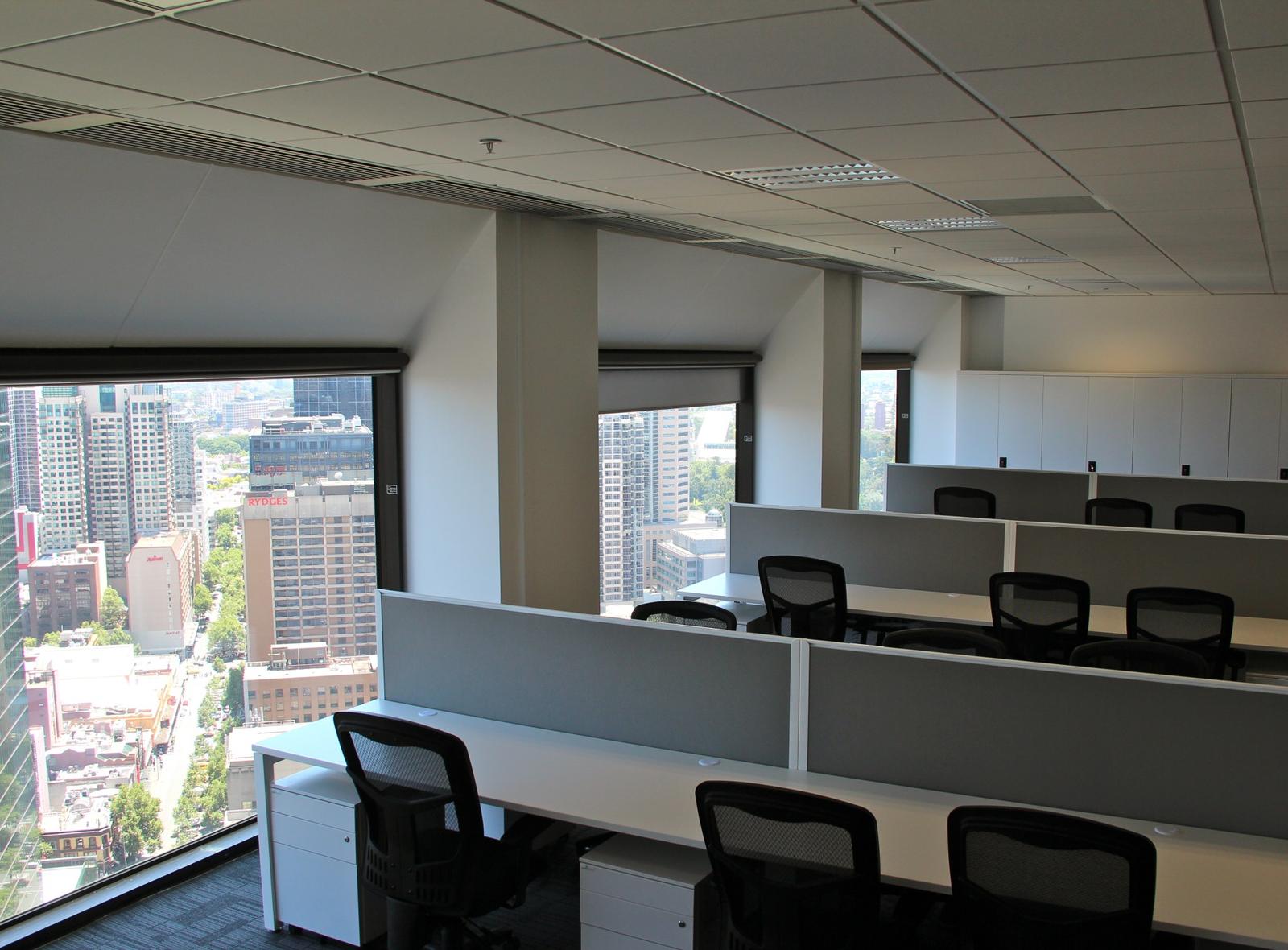
Budget is where many refurbishment plans either become realistic or come undone. A common mistake is setting a figure before the actual scope is understood. Another is budgeting only for visible items such as workstations, flooring and paint, while overlooking approvals, services upgrades, joinery, delivery staging and contingency.
A practical budget should reflect the type of refurbishment being planned. A cosmetic refresh is very different from a full workplace reconfiguration. If walls are moving, services are changing or compliance upgrades are required, costs can rise quickly.
Fixed-price delivery can be valuable here because it reduces uncertainty and gives decision-makers clearer control. That matters particularly for CFOs, operations managers and business owners who need confidence before committing funds. It also helps avoid the stop-start effect that can happen when variation after variation is added mid-project.
That said, every project still needs a contingency. Once existing tenancies are opened up, hidden issues can emerge. Older buildings in particular may present electrical, data or compliance challenges that were not obvious at the outset.
Know where to spend and where to simplify
Not every part of the office needs the same level of investment. Client-facing areas, reception spaces, meeting rooms and staff work zones often deserve different treatment depending on how they are used.
For example, if acoustic performance is affecting concentration, investing in partitions, ceiling treatments or better furniture may deliver more value than premium decorative finishes. If the office is regularly used for client meetings, presentation and brand consistency may need stronger focus. Good planning weighs these trade-offs instead of treating every square metre the same.
Build a realistic project brief
Once the goals and budget are clearer, the next step in how to plan an office refurbishment is creating a brief that can guide design and delivery. This document does not need to be overly technical, but it should be specific.
A strong brief typically covers headcount, department needs, workstyles, storage requirements, meeting room numbers, technology needs, accessibility considerations, brand requirements, preferred finishes, furniture needs, timeline expectations and budget range. It should also note any constraints such as lease conditions, building rules or the need to keep the office operational during works.
The more complete the brief, the easier it is to compare proposals properly. Without that clarity, it becomes difficult to know whether one solution is genuinely better or simply based on different assumptions.
Do not overlook landlord and building requirements
In commercial buildings, refurbishment planning must account for more than internal business needs. Landlord approvals, base building rules, after-hours access, lift bookings, waste removal procedures and building permits can all affect timing and cost.
This is often where businesses benefit from an experienced project partner. Coordination sounds simple until several consultants, trades, approvals and suppliers are moving at once. A single missed approval can delay the entire programme.
In Melbourne CBD buildings and many metropolitan commercial sites, access logistics can be particularly important. Tight loading zones, building management protocols and restricted working hours need to be factored into the plan early rather than treated as a minor detail.
Get the design right before works begin
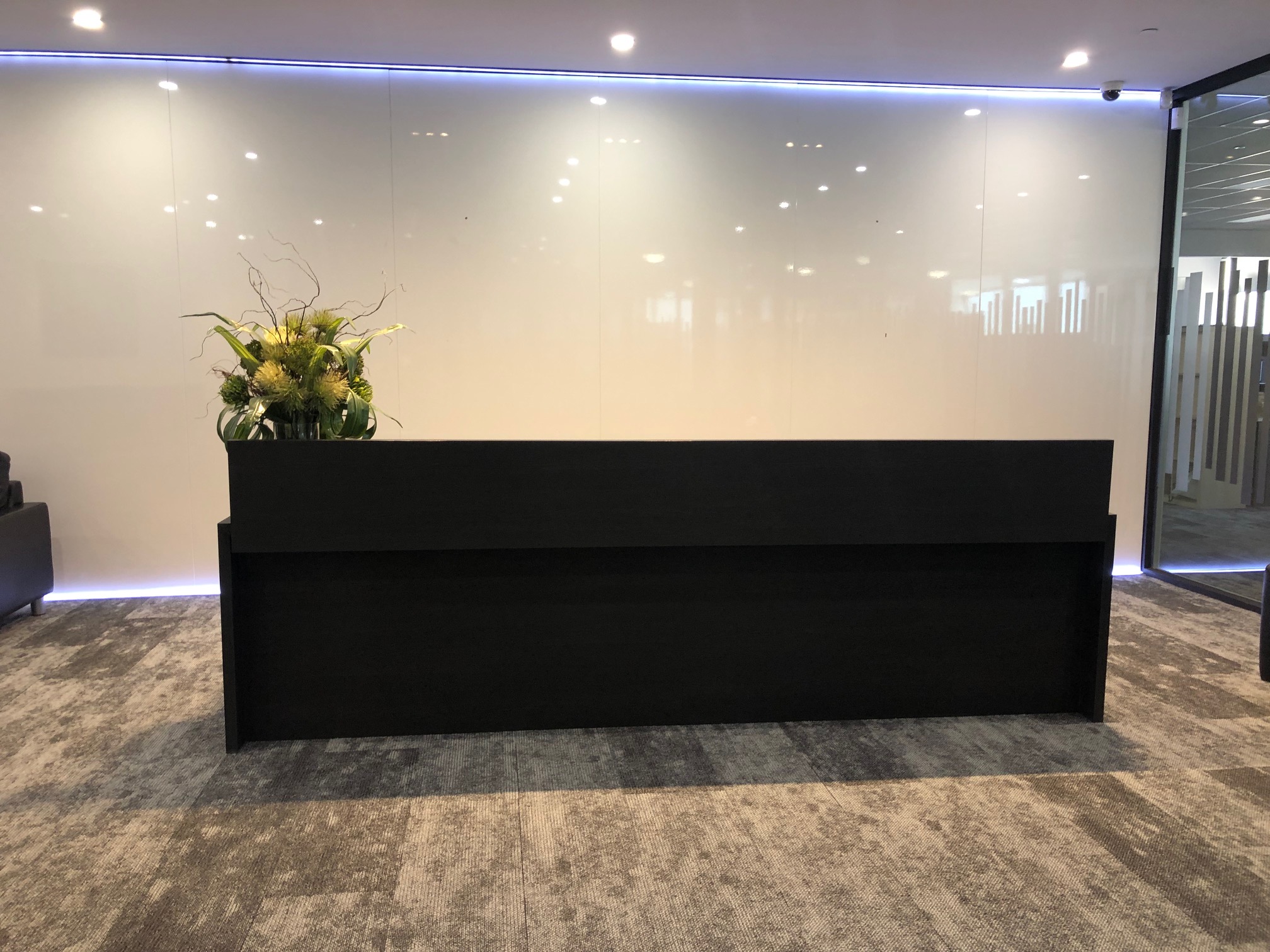
Design should support the brief, not overpower it. A well-designed office looks professional, but it also works hard behind the scenes. It supports concentration, collaboration, movement, storage, acoustic control and staff wellbeing.
At this stage, space planning becomes critical. Businesses often discover they can fit their teams more effectively without making the office feel crowded, simply by rethinking zoning and circulation. Equally, some offices need more breathing room and fewer desks to better suit hybrid working patterns.
Furniture selection is part of this equation as well. Ergonomic seating, practical workstations, flexible meeting settings and durable finishes all affect how the office performs over time. Choosing purely on upfront price can create replacement costs and staff discomfort later.
There is usually a balance to strike between customisation and practicality. Bespoke joinery and branded details can create a strong impression, but not every business needs a heavily customised solution throughout the entire office. The right answer depends on budget, brand goals and how long the business expects to stay in the space.
Plan the programme around business disruption
Refurbishment planning is not just about what gets built. It is also about when and how the work happens. For many organisations, the biggest concern is keeping the business running while the office is being upgraded.
That means the programme should be developed with operations in mind. Can the works be staged floor by floor or zone by zone? Will teams need temporary swing space? Are noisy works better scheduled after hours or across weekends? Will certain departments need uninterrupted access to secure documents, phones or specialised equipment?
A realistic programme also allows enough lead time for design sign-off, procurement, approvals and manufacturing. Rushing these steps often creates the delays people were trying to avoid in the first place.
Communication matters as much as construction
Staff usually cope well with change when they know what is happening, why it is happening and how it will affect them. Poor communication tends to create more frustration than the refurbishment itself.
It helps to set expectations early around timing, temporary moves, noise, access changes and any adjustments to daily routines. Clear internal communication can reduce resistance and keep the project from becoming a distraction.
Choose delivery that gives you accountability
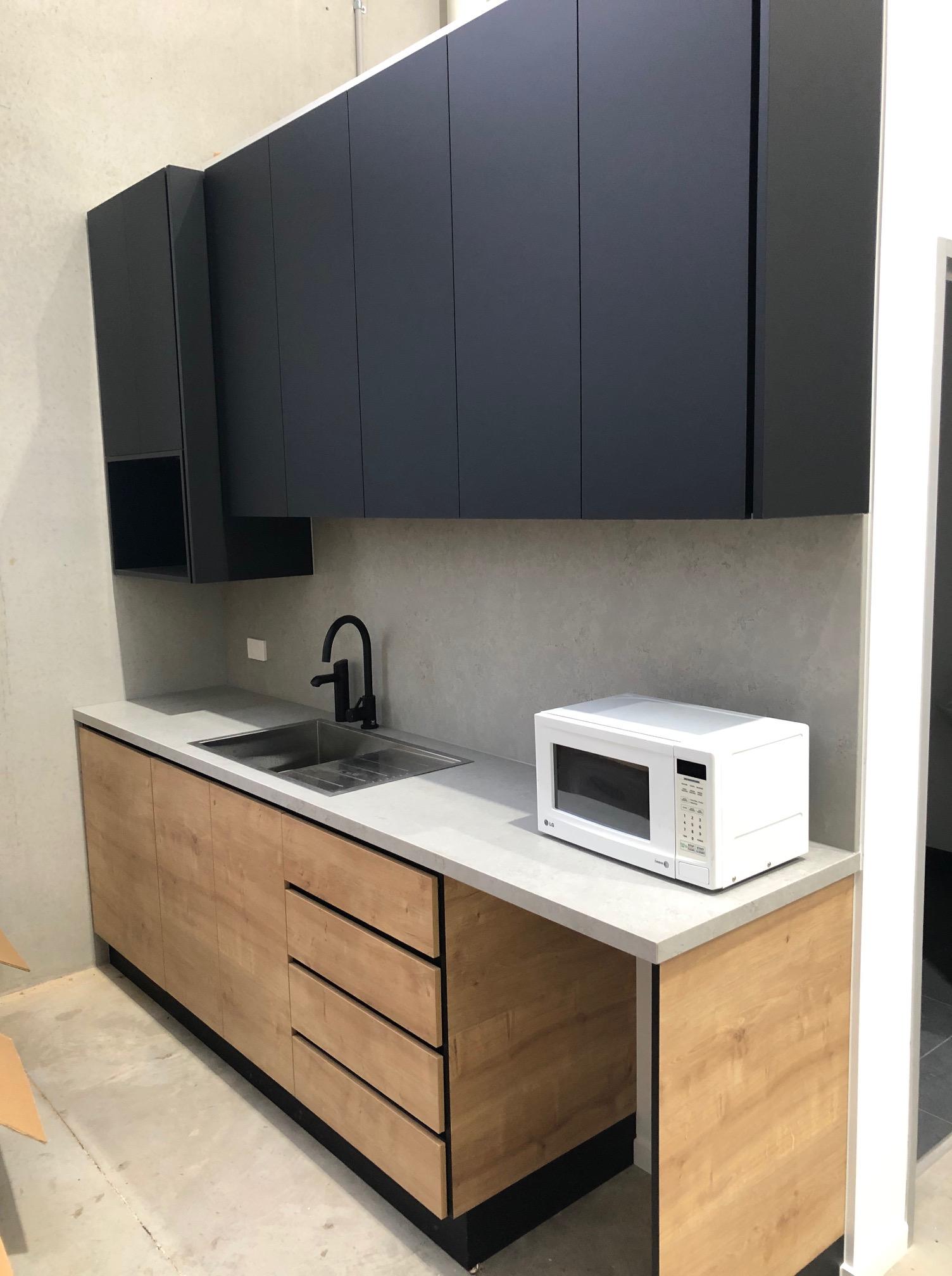
One of the biggest decisions is how the refurbishment will be managed. Some businesses coordinate designers, builders, furniture suppliers and building approvals separately. Others prefer a turnkey approach with one team responsible from concept through to completion.
There is no single right model for every organisation, but accountability matters. When multiple parties are involved without clear ownership, gaps can open up between design intent, pricing, programme and on-site delivery. That often shows up as delays, variations or conflicting advice.
An end-to-end model can simplify decision-making because there is a single point of responsibility for design, construction, furniture, permits and coordination. For clients who want clarity, budget control and less day-to-day project management on their side, that can make a real difference.
Experience also counts. Refurbishment projects rarely run exactly as first imagined, so having a team that can anticipate issues and adjust without losing sight of budget and programme is a practical advantage, not just a nice extra.
Measure success beyond the handover
A refurbishment should not be judged solely by whether the works finished on time. The more useful question is whether the office performs better afterwards. Are teams using the space as intended? Has workflow improved? Is the office presenting the right image to clients and visitors? Are staff more comfortable and productive?
This is why planning should include a view of life after handover. Snagging, furniture installation, technology setup and minor post-occupancy adjustments are all part of making the space work properly. Even a well-run project may need small refinements once people are back in the space.
If you are working out how to plan an office refurbishment, the goal is not to create the most elaborate workplace possible. It is to make informed decisions early, so the finished space supports your people, your operations and your budget with fewer surprises along the way.
The strongest refurbishment plans are usually the calmest ones – clear brief, realistic budget, sensible programme and the right team to carry it through.
Next step
Find out what your fitout costs.
One team for design, construction, joinery and furniture. One contract, one fixed price, and one person to hold us to it.