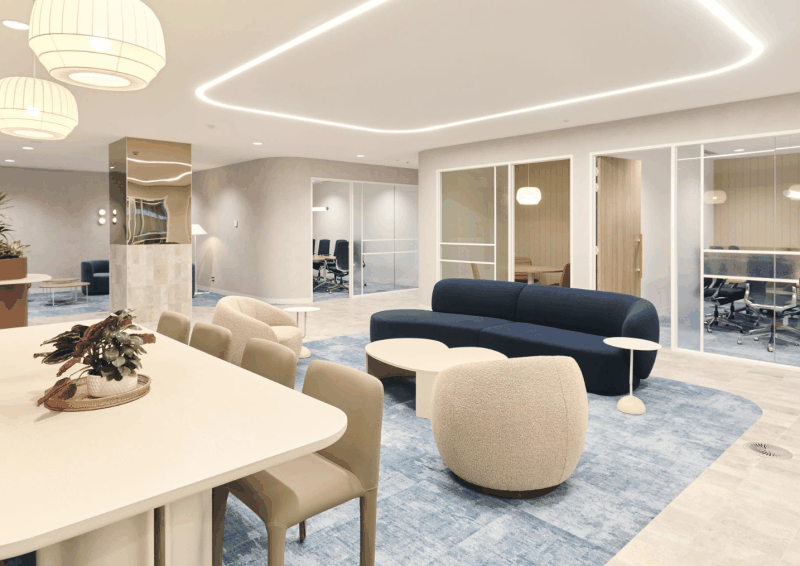
Lease signed, move date pencilled in, and suddenly the big question lands on the table: how much does an office fit out cost? For most businesses, the honest answer is that it depends on the condition of the space, the level of finish, the services required and how much change is needed to make the workplace truly functional.
That said, there are useful benchmarks. In Melbourne, a basic office fit-out generally starts from around $500 to $850 per square metre. A mid-range fit-out usually sits between $850 and $1,400 per square metre. High-end offices with custom joinery, premium finishes, advanced technology and complex services can reach $1,400 to $2,000 or more per square metre.
Those numbers are a starting point, not a quote. The gap between a straightforward refresh and a full workplace transformation can be significant, which is why cost planning matters early.
How much does an office fit out cost in Australia?
If you are budgeting for an office, it helps to think in project tiers rather than chase a single figure. A light fit-out usually suits businesses moving into a space that is already close to usable. You might keep existing walls, retain services in place, add workstations, meeting rooms, flooring, paint and some furniture.
A mid-range fit-out usually involves more reconfiguration. That may include new partitioning, upgraded lighting, better acoustic treatment, a reception area, breakout zones, joinery and a stronger design response to the way your team works.
A premium fit-out generally includes a higher level of customisation and a more complex build. This might mean feature lighting, bespoke joinery, upgraded mechanical and electrical works, integrated technology, high-spec finishes and detailed branding throughout the workplace.
For a simple example, a 200 square metre office could cost roughly $100,000 at the essential end, or $170,000 to $280,000 for a mid-range result. At the premium end, the same footprint could climb much higher. The final figure depends less on size alone and more on what has to happen inside the tenancy.
What drives office fit-out costs?
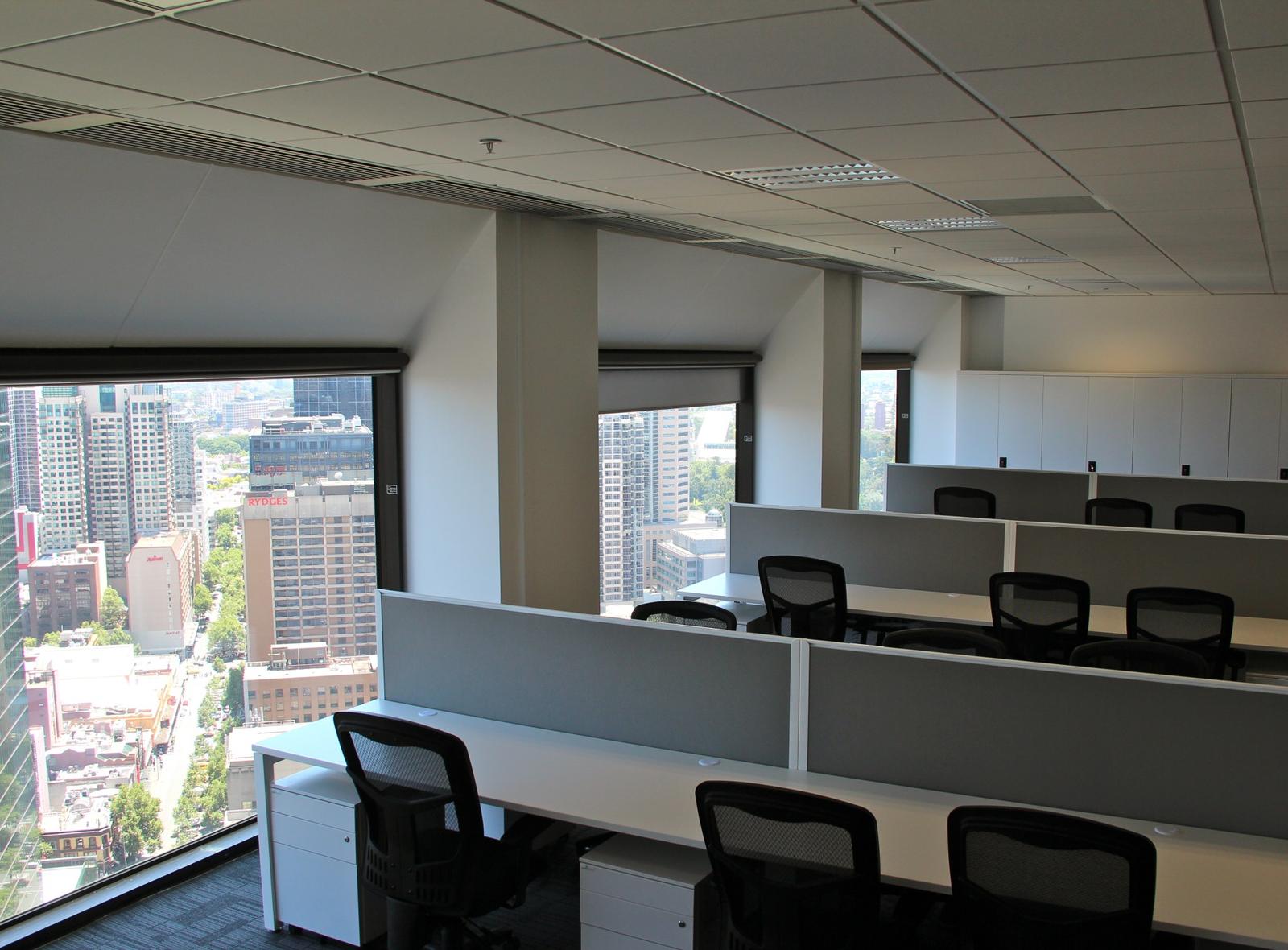
The biggest cost driver is usually the scope of work. If a tenancy is an open shell with little existing infrastructure, you will need to allow for more construction, services and compliance work. If it is already fitted with usable ceilings, air-conditioning, lighting and some partitioning, costs can be lower.
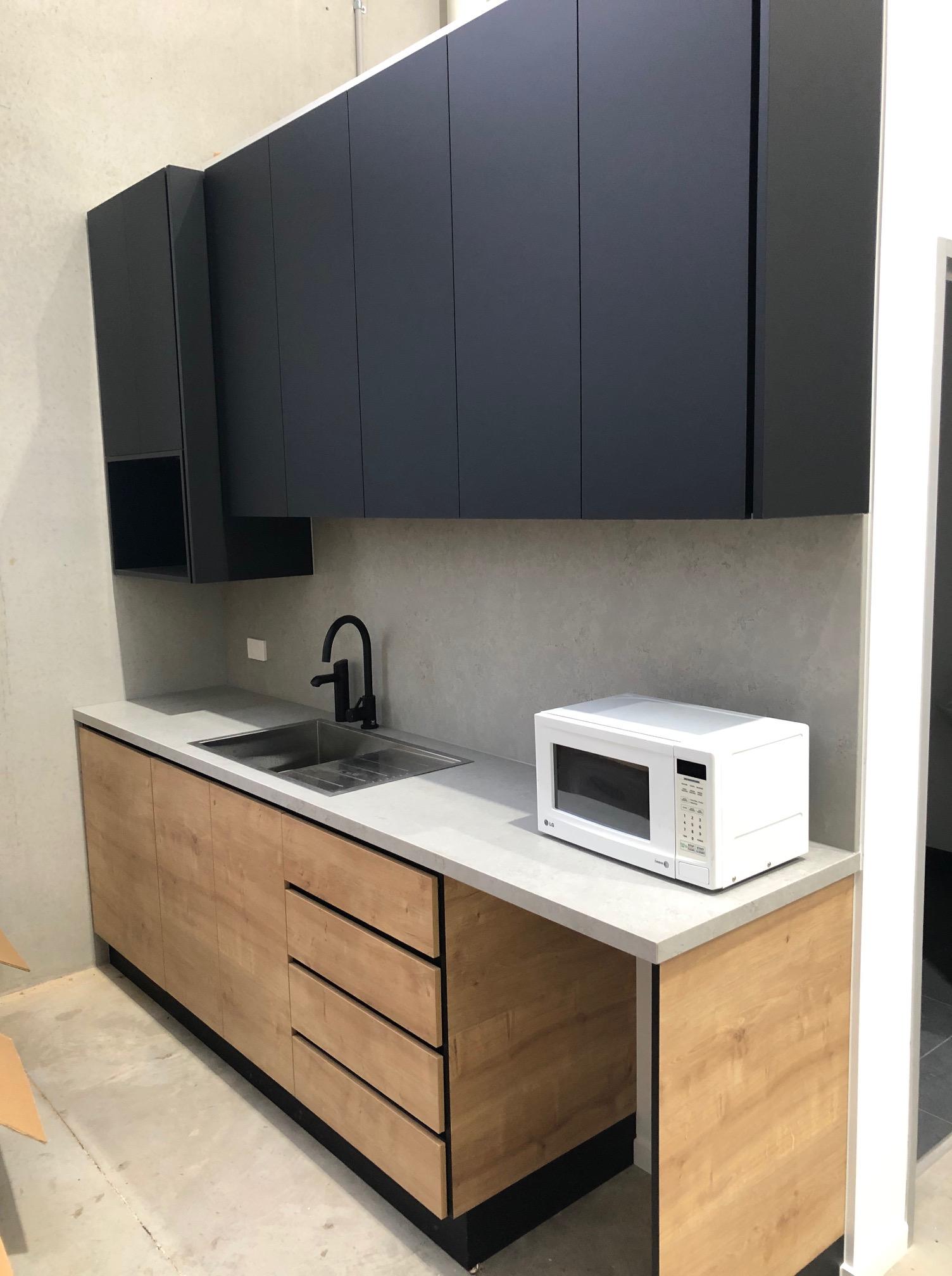
Layout changes also matter. Moving walls, creating meeting rooms, adding quiet spaces or building a staff kitchen all add labour and materials. Open-plan spaces are generally cheaper to deliver than offices with a high number of enclosed rooms, but that does not always mean they are better for productivity or acoustics.
Services are another major factor. Electrical, data, lighting, hydraulics and mechanical upgrades can quickly shift a budget. If your new layout requires extra power, relocated air-conditioning grills or upgraded communications infrastructure, the cost rises well beyond finishes alone.
Then there is the level of finish. Carpet tiles are not priced the same as premium broadloom carpet. Laminated joinery is not priced the same as timber veneer or stone. Standard workstations are a different budget line to height-adjustable desks and ergonomic seating specified across the whole team.
Programme can influence cost too. Fast-tracked projects often require more coordination, out-of-hours works or compressed trades scheduling. If your business needs the office ready by a fixed date, that pressure can affect pricing.
The hidden costs businesses often miss
When businesses first budget for a fit-out, they often focus on visible items like desks, flooring and paint. The less visible costs are the ones that tend to cause frustration later.
Design and documentation are one example. Space planning, interior design, working drawings and consultant input all play a part in getting the project approved and built correctly. They are not optional if you want fewer surprises on site.
Approvals are another. Depending on the building and the scope, you may need landlord approval, building permits, compliance documentation and sign-off from building management. In some cases, make-good obligations or base building rules will shape what you can and cannot do.
IT relocation and technology integration are often underestimated. Data cabling, AV equipment, meeting room technology, security systems and access control can represent a meaningful part of the budget, particularly in modern workplaces where hybrid work and video conferencing are standard.
Relocation costs may also sit outside the fit-out figure but still affect the total project spend. Moving staff, equipment, storage, downtime and staged occupancy all have cost implications. A well-planned project reduces disruption, but it rarely comes without some operational expense.
Office fit-out cost by inclusions
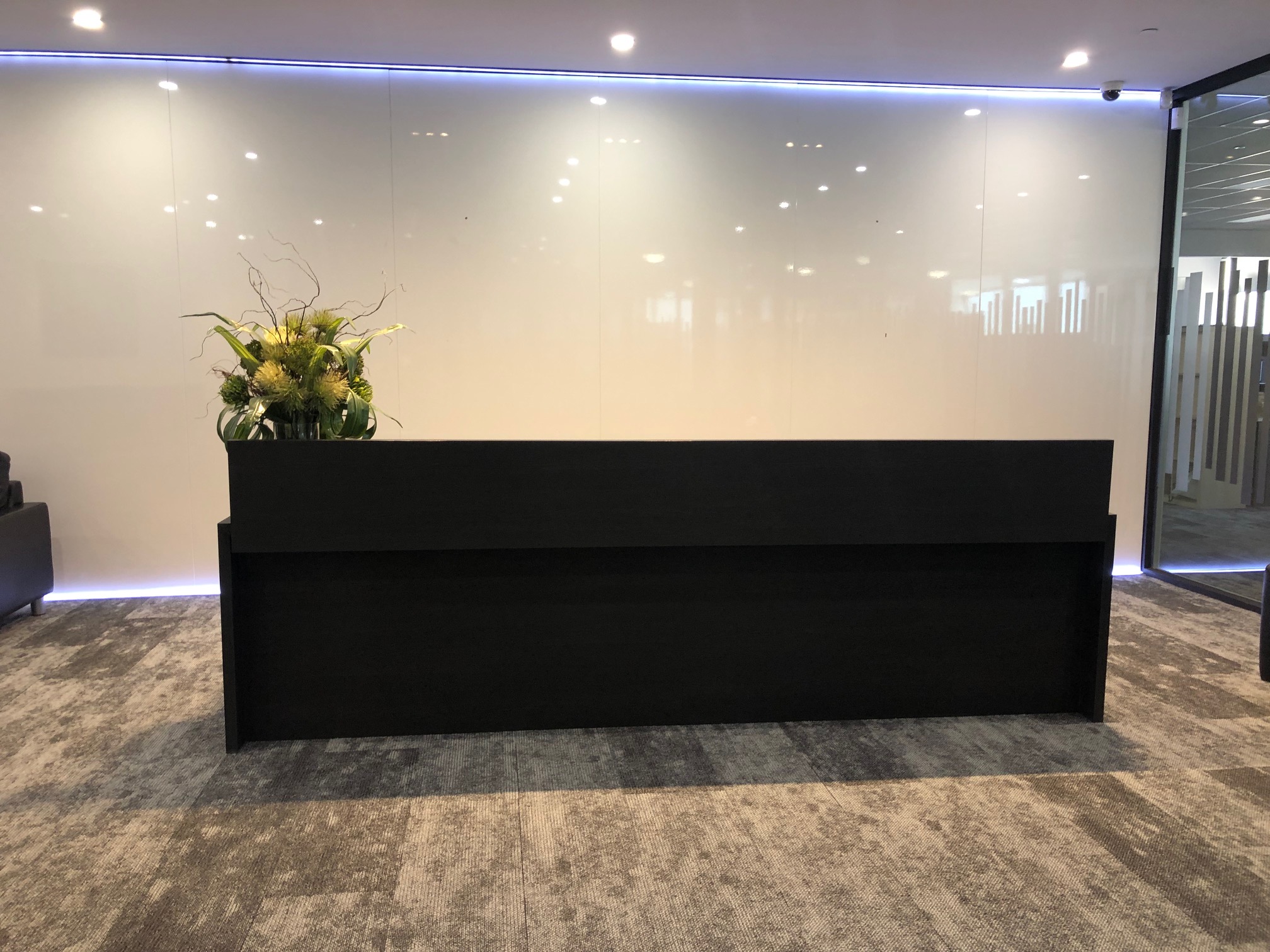
A fit-out budget is really a collection of many smaller budgets. Construction is one category, including partitioning, glazing, ceilings, flooring, painting and joinery. Furniture is another, covering workstations, task chairs, boardroom settings, reception furniture and breakout pieces.
Services usually form a substantial component. This includes electrical, data, lighting, audio visual, security and mechanical changes. Then there are soft costs such as design, project management, approvals and consultant fees.
This is why two offices of the same size can have very different costs. One may need little more than furniture and finishes. The other may require a full strip-out, new services, acoustic treatment and extensive compliance work.
Refurbishment versus full fit-out
If your existing office still functions reasonably well, a refurbishment can be a more cost-effective option than starting again. Refurbishments often focus on improving appearance, comfort and space use without rebuilding the entire tenancy. That could involve new carpet, fresh paint, updated furniture, better lighting and modest reconfiguration.
A full fit-out is more appropriate when the workplace no longer supports the business, the tenancy is newly leased, or the team has outgrown the current layout. It costs more, but it can solve deeper issues around capacity, collaboration, acoustics, staff experience and brand presentation.
The trade-off is straightforward. Refurbishment can reduce upfront spend, but a full fit-out may deliver better long-term value if it avoids patchwork fixes and supports growth properly.
How to budget with more confidence
The best way to control cost is to define the brief early. Businesses that know how many people the space needs to support, what mix of work settings they need and what standard of finish they want are in a much stronger position than those making decisions on the run.
It also helps to separate must-haves from nice-to-haves. For example, acoustic performance, meeting spaces and ergonomic furniture may be non-negotiable, while a feature wall or upgraded decorative finishes might be staged later if needed.
Fixed-price delivery can make a real difference here. When the design, scope and inclusions are clearly documented upfront, there is less room for budget drift. It also gives decision-makers clearer visibility over what is included and where changes will affect cost.
For Melbourne businesses, this is especially useful in multi-tenant commercial buildings where approvals, access rules and landlord requirements can complicate delivery. A coordinated project team helps prevent delays that often become additional costs.
Is the cheapest office fit-out the best value?
Usually not. A low initial price can look attractive, but it is worth asking what has been left out, simplified or deferred. If key services are missing from the scope, if furniture quality is poor, or if project coordination is fragmented, the cheapest option can become the most expensive once variations, delays or rework start appearing.
Value comes from a fit-out that supports your people, works within your building constraints and is delivered with clear accountability. It should also stand up over time. Durable finishes, well-planned services and thoughtful space planning tend to save money over the life of the tenancy.
That does not mean every business needs a premium office. It means the budget should match the outcome. A practical, well-executed fit-out is often a better investment than a flashy design that overspends in the wrong areas.

A realistic way to think about cost
If you are asking how much does an office fit out cost, the most useful answer is this: budget by function, not just by floor area. Square metre rates are helpful, but they only tell part of the story. What matters is how the space needs to perform for your team, your clients and your day-to-day operations.
A well-scoped fit-out should give you clarity before construction starts, not surprises halfway through. When the workplace is planned properly, cost becomes easier to manage because every dollar has a purpose.
The right office fit-out is not simply the one with the lowest price or the fanciest finishes. It is the one that helps your business work better from the day your team walks in. At Integrity office we offer a free site visit service, to look at your new or existing office,to give you a fixed price budget quotation on the fit out renovations.
Next step
Find out what your fitout costs.
One team for design, construction, joinery and furniture. One contract, one fixed price, and one person to hold us to it.