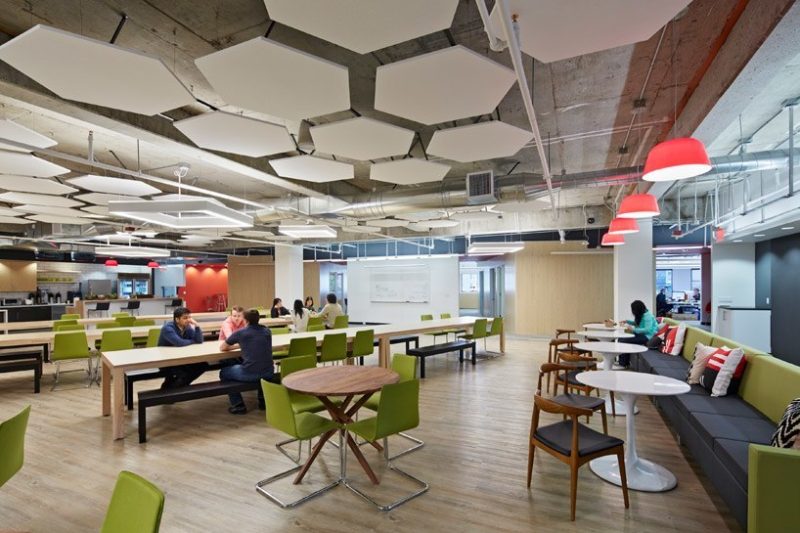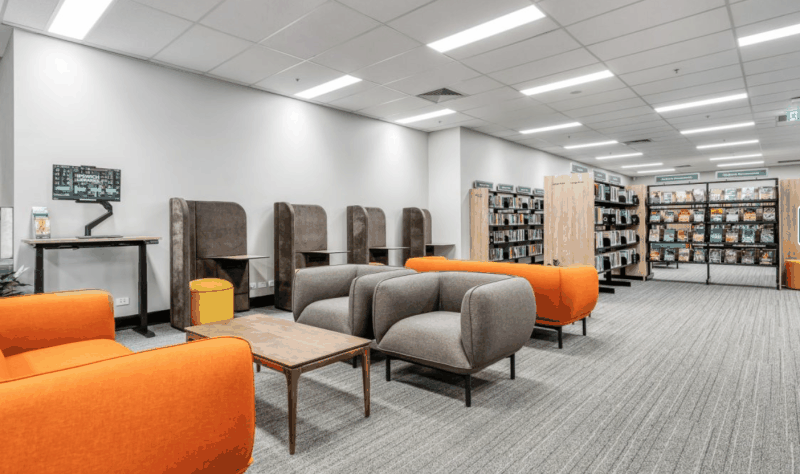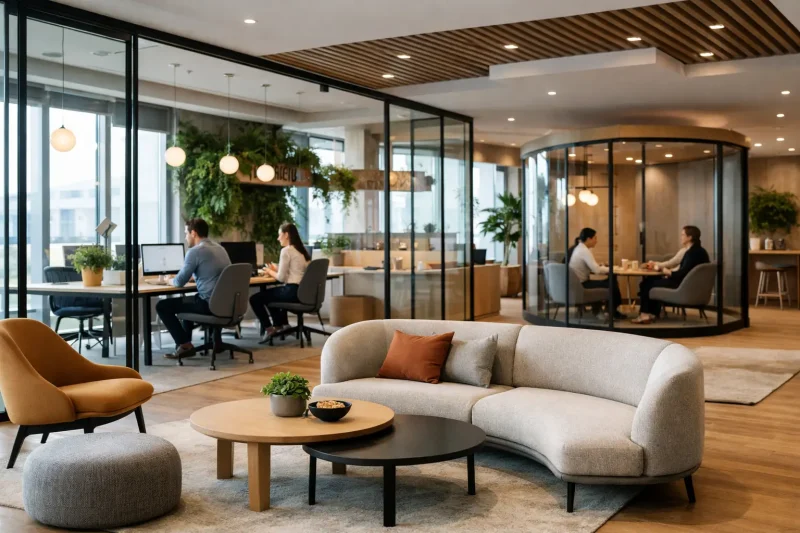
A few years ago, many offices were being stripped back to fit more desks. Now, the conversation has changed. The most relevant office design trends Australia businesses are backing today have less to do with density and more to do with performance – how a workplace supports focus, collaboration, wellbeing, brand identity and day-to-day operations without wasting space or budget.
For business owners, operations leaders and facilities teams, that shift matters. Office design is no longer just a finishings decision made near the end of a project. It affects staff experience, retention, client impressions and how efficiently a team can work. Good design also has to stand up to practical realities such as hybrid attendance, lease commitments, services coordination and landlord requirements.
Office design trends Australia businesses are prioritising
The strongest trend in the Australian market is not one specific look. It is a move towards offices that work harder. That means every zone needs a clear purpose, whether it is for focused work, informal meetings, private calls, client-facing activity or team collaboration.
This is why open-plan layouts are being rethought rather than abandoned. Many businesses still want openness because it supports visibility, flexibility and better use of floor area. But fully open spaces often create noise, distraction and a lack of privacy. The more effective approach is a balanced floorplan with a mix of open workpoints, enclosed meeting rooms, quiet rooms, breakout areas and touchdown spaces.
For decision-makers, this is usually where the trade-offs begin. More enclosed rooms can improve acoustics and concentration, but they also reduce flexibility if team numbers shift. More open space can lower fit-out costs in some cases, but only if it does not create productivity issues that need fixing later. The right answer depends on headcount, workstyle, industry and how often staff are actually in the office.
Hybrid work has changed space planning
Hybrid work continues to shape office layouts across Australia, but not in the simplistic way many expected. Fewer people in the office every day does not automatically mean a smaller footprint. In some businesses, it does. In others, staff come in for the same peak days, which means occupancy still needs to be managed carefully.
This has led to greater interest in multi-use spaces. A boardroom might also serve as a training room. A quiet zone might double as overflow workspace. Breakout spaces are being designed to support informal meetings, short individual work sessions and team connection rather than just lunch breaks.
The practical benefit is better value from the same square metres. The challenge is making these spaces genuinely functional rather than vague areas that look good in a concept plan but are underused once the office is live. Furniture selection, power access, lighting and acoustic treatment all play a part in whether a flexible area earns its keep.
A stronger focus on acoustic privacy
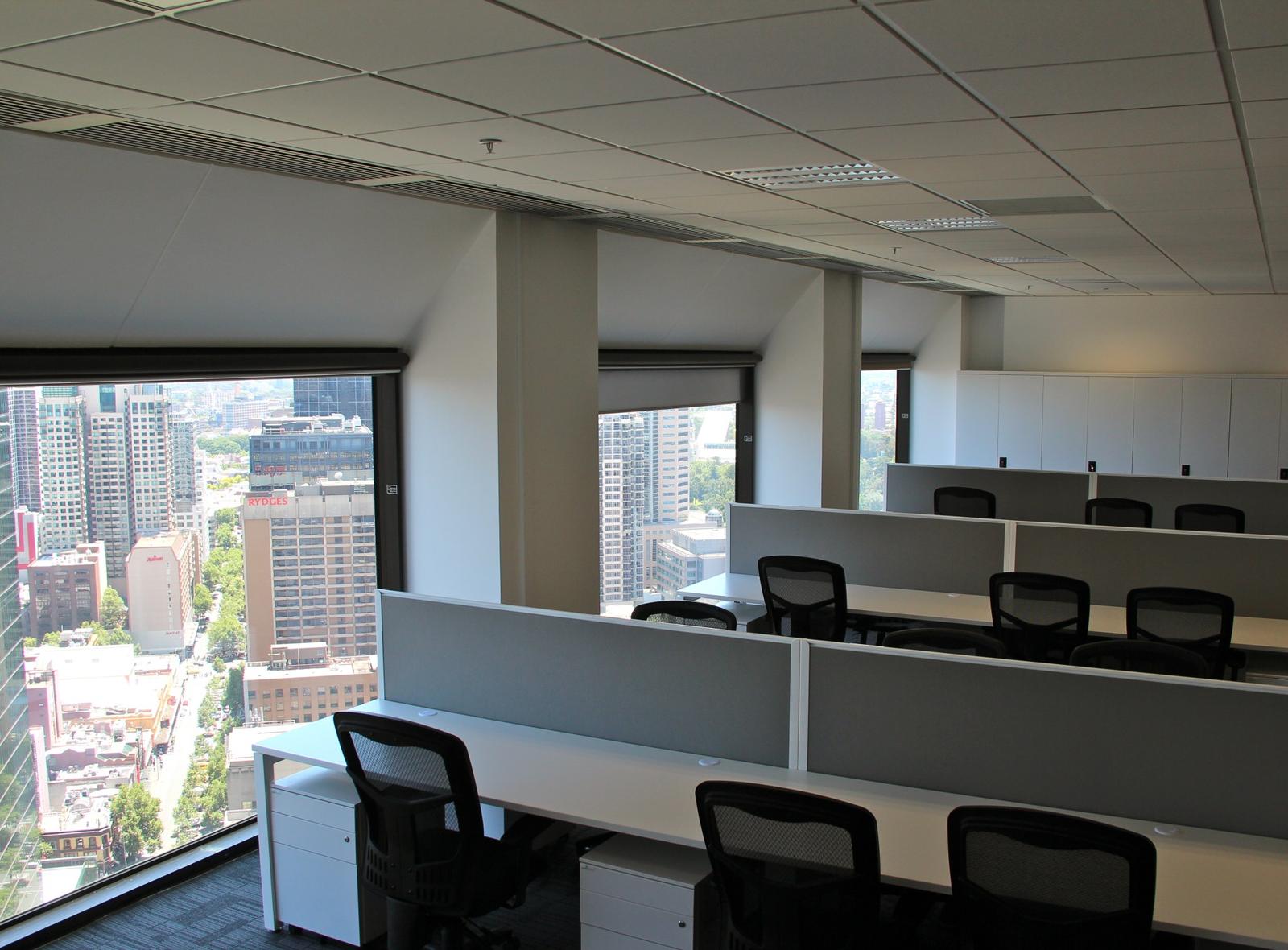
One of the most noticeable office design trends Australia workplaces are adopting is better acoustic control. This is not just about reducing noise. It is about making different kinds of work possible in the same environment.
In busy offices, poor acoustics can undermine an otherwise well-planned fit-out. Staff struggle with concentration, confidential conversations become awkward, and meeting spill can affect the whole floor. As a result, acoustic panels, screening, soft furnishings, ceiling treatments and enclosed focus areas are becoming standard considerations rather than optional extras.
This is especially relevant for professional services, healthcare administration, education and government settings where privacy and concentration are central to the work. It is also increasingly important in client-facing offices, where a polished look is not enough if conversations can be overheard across the room.
Privacy now needs to be built in, not added later
A common mistake in office refurbishments is treating privacy as a later-stage issue. Once a team has moved in and the noise problems start, the fixes are usually more expensive and more disruptive. Planning for phone booths, interview rooms, smaller meeting spaces and sound-absorbing finishes early in the project usually delivers a better result.
That does not always mean adding more walls. In many offices, smarter zoning and the right furniture can improve privacy without making the space feel closed off. The goal is to match the design response to the way people actually use the office.
Brand and culture are showing up more clearly in design
Australian businesses are also moving away from generic office interiors. There is growing demand for workplaces that feel aligned with the organisation using them. That does not necessarily mean bold colours everywhere or branding on every wall. More often, it means making thoughtful design choices that reflect the company’s values, people and the experience it wants staff and visitors to have.
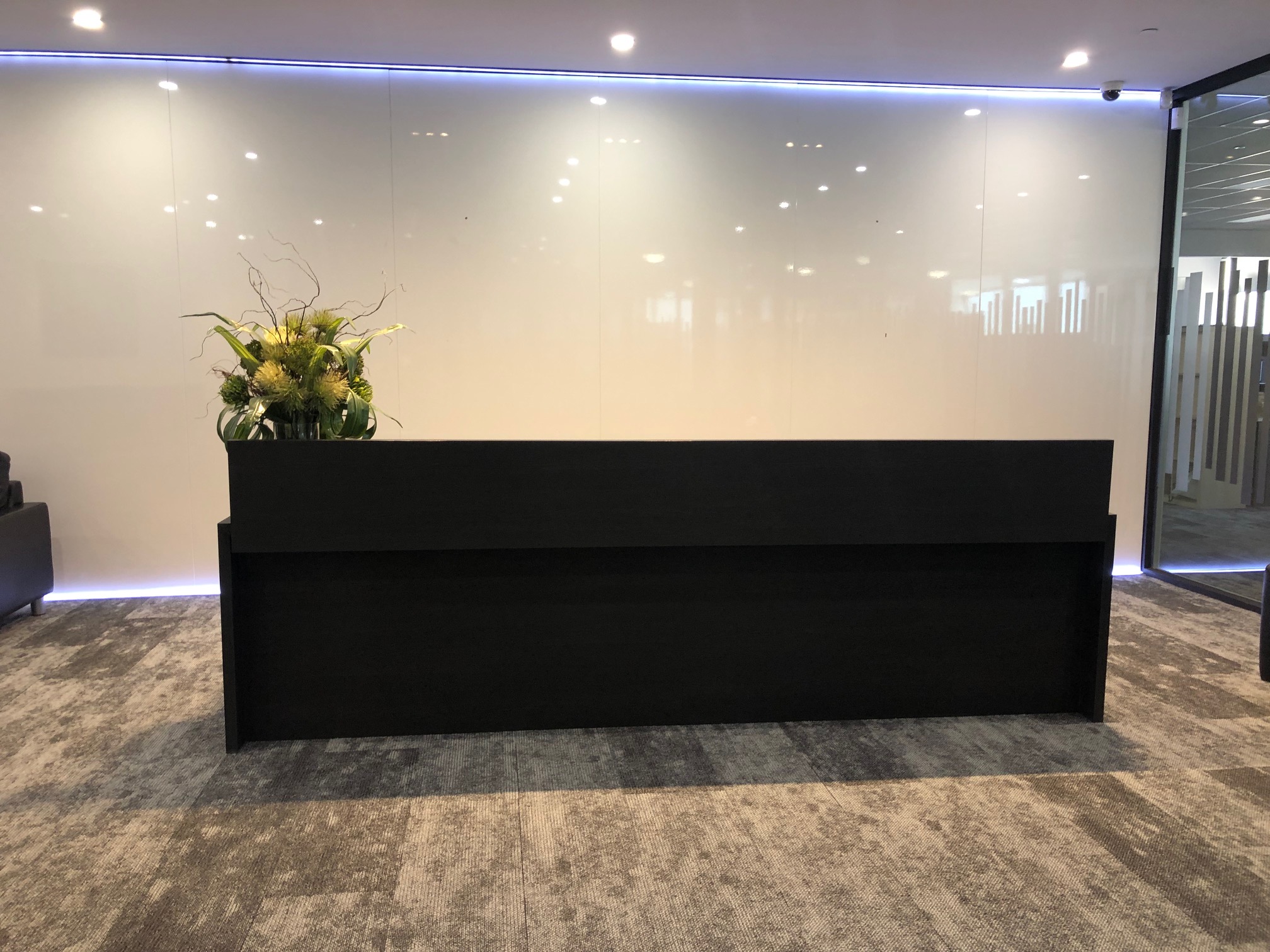
For some businesses, that looks like polished client-facing spaces with a strong reception presence and formal meeting areas. For others, it means warm materials, relaxed breakout zones and layouts that encourage team interaction. In both cases, the workplace is being used to reinforce culture in a practical, visible way.
This matters because people notice when an office feels disconnected from the business itself. A space that looks impressive but does not support how teams work can feel performative. A well-resolved workplace does both jobs at once – it presents the brand well and helps people do their work more effectively.
Sustainability is becoming a practical requirement
Sustainability is no longer just a desirable feature for large corporate projects. It is becoming part of mainstream fit-out decision-making across many sectors. Clients are asking more questions about durable materials, energy-efficient lighting, re-use opportunities and furniture choices that offer better long-term value.
That shift is partly values-driven and partly commercial. Businesses are under pressure to reduce waste, lower operating costs and make smarter capital decisions. In office design, this often means retaining elements that still perform well, upgrading rather than replacing where practical, and selecting finishes and furniture that will hold up over time.
There is a clear trade-off here. The cheapest upfront option is not always the best whole-of-life choice. Equally, not every project needs premium materials throughout. Good planning means knowing where durability matters most, where existing assets can be re-used, and where investment will have the biggest impact on staff experience and maintenance costs.
Technology is being integrated more quietly
The best workplace technology is often the least noticeable. Rather than filling offices with gadgets, current design thinking focuses on making technology easy to use and well integrated into the fit-out.
Meeting rooms need reliable video conferencing, simple connectivity and good sightlines. Workstations need accessible power and cable management. Shared spaces need enough charging points and support for mobile work. Reception areas and collaborative zones may also need digital booking tools or display integration, depending on the business.
What has changed is the expectation. Staff do not see these features as premium extras. They see them as basic requirements. If a meeting room is hard to use or power access is awkward, the office feels dated very quickly, even if the finishes are new.
This is why design and delivery need to be considered together. Technology choices affect joinery, services, furniture layouts and construction sequencing. When those elements are coordinated early, the outcome is cleaner and the project tends to run more smoothly.
Wellbeing is now tied to productivity
Natural light, ergonomic furniture, indoor planting and better breakout spaces remain relevant, but the conversation around wellbeing has matured. It is less about visual trends and more about creating a workplace people can use comfortably over a full day.
That includes sit-to-stand workpoints where they make sense, supportive seating, access to quiet spaces, improved air quality, and amenities that help staff reset between tasks. It also includes circulation – how people move through the office, where congestion happens, and whether different teams have the spaces they need without competing for them.
Not every workplace needs the same wellbeing strategy. A high-traffic operations office will have different priorities from a creative studio or a medical administration space. The key is to avoid copying another business’s layout without understanding whether it suits your own team.
What these trends mean for businesses planning a fit-out
The broad direction is clear. Office design trends in Australia are moving towards flexible, brand-aligned, technology-ready workplaces that support a mix of tasks without overcomplicating the environment. But following trends for their own sake is rarely the right move.
The better question is what your office needs to achieve over the next few years. Do you need to support growth, improve staff attendance, create better client-facing areas, reduce disruption, or make better use of your existing footprint? The most successful projects start there and build the design response around those business needs.
That is also why end-to-end planning matters. A well-designed office on paper can still become difficult if approvals, services coordination, staging, furniture, budget control and programme management are handled in isolation. Businesses generally get the best result when design decisions are tied closely to delivery from the start.
If you are reviewing your workplace, the current trends offer useful direction, but they should not dictate the project. The best office is the one that fits your people, your brand and the way your business actually operates – and still makes sense when the day-to-day pressures of work return.
Next step
Find out what your fitout costs.
One team for design, construction, joinery and furniture. One contract, one fixed price, and one person to hold us to it.