
A commercial fitout can go off course long before the walls go up. Budgets drift, approvals stall, trades clash, and internal teams end up fielding questions they were never hired to answer. That is usually the point when decision-makers start asking why choose a turnkey fitout partner rather than managing separate consultants, builders and suppliers themselves.
For many businesses, the appeal is not just convenience. It is control. A turnkey model gives you one accountable team to manage the project from early planning through to handover, which can make a major difference to cost certainty, timing and day-to-day disruption.
Why choose a turnkey fitout partner for business projects?
The short answer is that it reduces complexity. Instead of briefing a designer, then sourcing builders, then managing furniture, permits, landlord requirements and defects across multiple parties, you work with one partner responsible for the full outcome.
That changes how decisions get made. Design is shaped with budget and buildability in mind from the start. Construction planning is informed by how your teams actually use the space. Furniture, joinery, finishes and services are considered as part of one workplace solution, not as disconnected purchases made late in the process.
For office managers, operations leaders and business owners, this often means less time spent chasing updates and fewer surprises when the project is underway. For CFOs and procurement teams, it can also mean clearer pricing and a more predictable approval path.
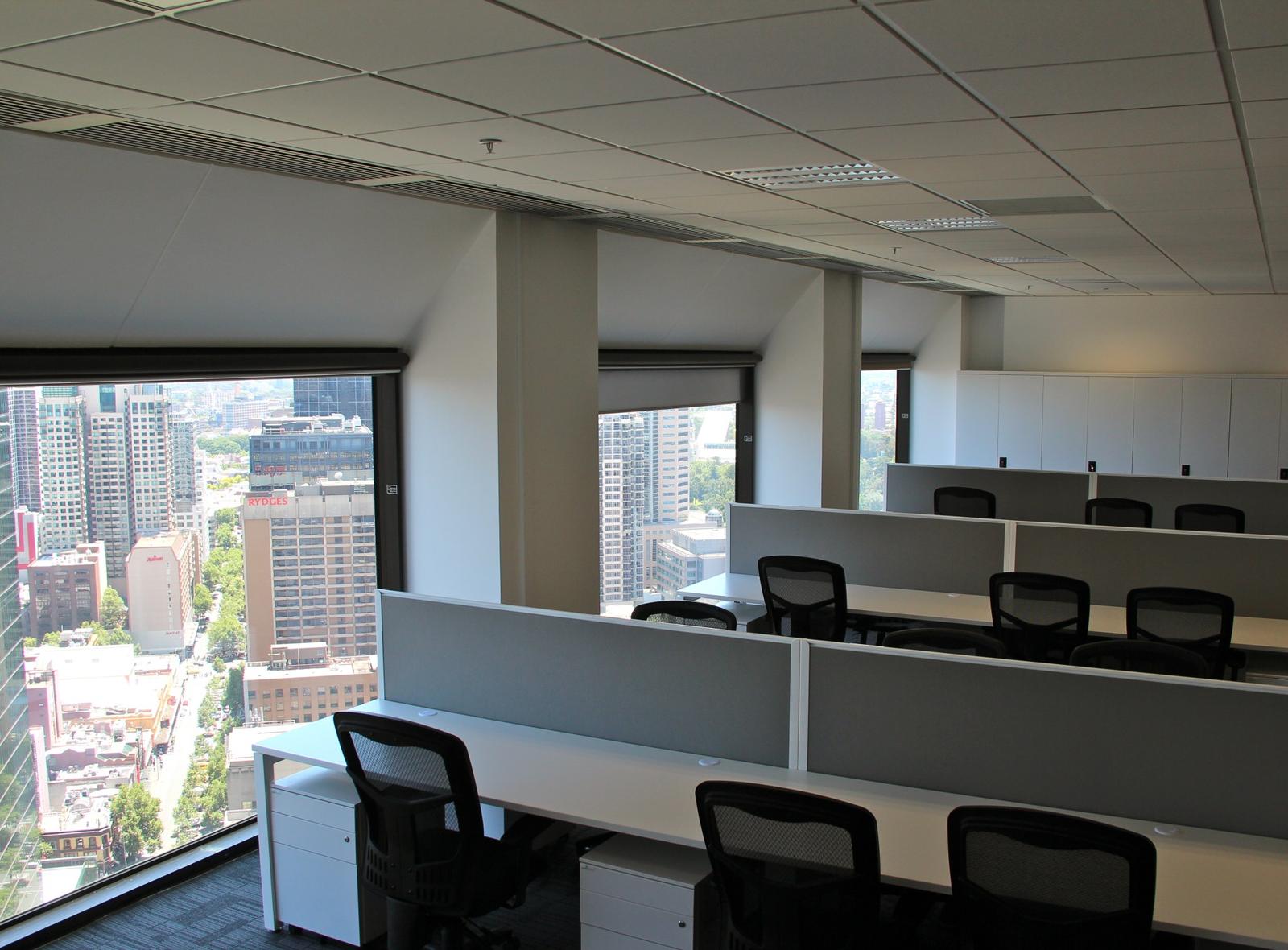
One point of accountability matters more than most people expect
In a traditional fitout model, responsibility can become blurred very quickly. If a design detail creates a construction issue, the builder may point back to the consultant. If furniture delays affect occupancy dates, that may sit with a separate supplier. If landlord comments trigger changes, your internal team can end up coordinating the response.
A turnkey fitout partner removes much of that friction because there is a single point of accountability. You are not spending your week working out who owns what problem. You have one project partner responsible for driving the outcome and resolving issues before they become expensive.
That does not mean every project challenge disappears. Variations can still happen, especially in older buildings or when client requirements change midstream. The difference is that accountability remains clear, and decisions are managed through one team rather than a chain of disconnected providers.
Better budget control starts earlier than you think
A fitout budget is rarely blown by one big mistake. More often, it is eroded by small decisions made in isolation. A layout is approved without considering services changes. A finish is selected without understanding installation cost. Furniture is treated as a separate package and added too late.
With a turnkey approach, the team pricing the work is usually involved while the design is being developed. That means cost, program and scope are being considered together instead of one after the other. It is a practical way to reduce the gap between what looks good on paper and what can actually be delivered within budget.
Fixed-price delivery is a major reason many businesses prefer turnkey projects, but it only works well when the scope is properly defined. If your brief is still evolving, the right partner will tell you where there is certainty and where there is not. That honesty matters. A low headline number is not much use if the project is packed with assumptions that later become variations.
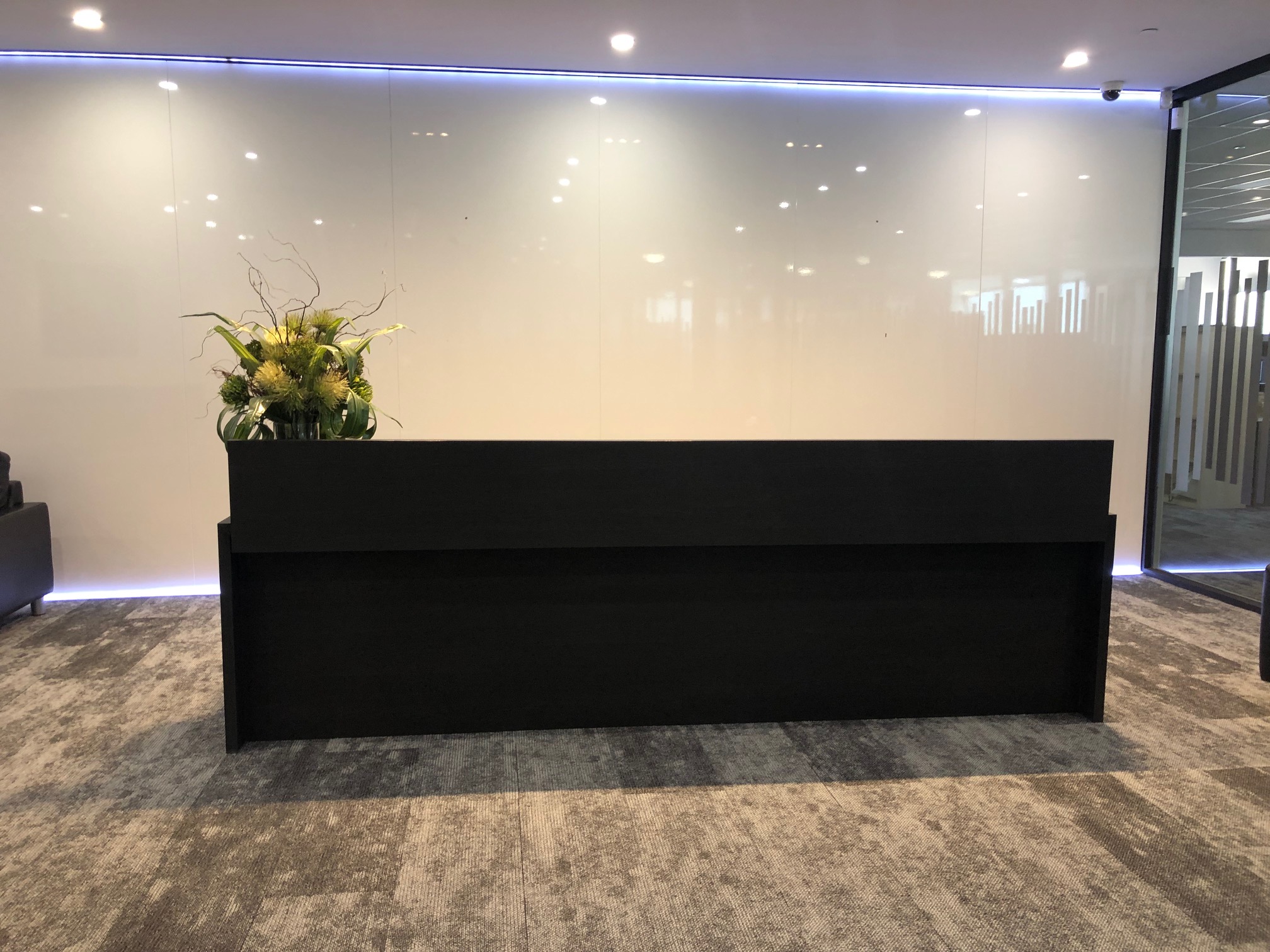
Timelines improve when design and construction are aligned
Most organisations cannot afford a fitout that drags on for weeks longer than planned. Delays affect staff, technology rollouts, relocation dates and lease obligations. In some sectors, they can also affect service delivery to customers, students, patients or the public.
A turnkey fitout partner can shorten the path from concept to completion because the handovers between design, procurement and construction are tighter. There is less time lost translating intent across separate teams, and fewer late-stage clashes between drawings, site conditions and product lead times.
This is particularly valuable in active workplaces where works need to be staged around business operations. If your office, school, clinic or government site needs to keep functioning during the project, sequencing becomes just as important as the design itself. An experienced turnkey team plans for that from the outset.
Why choose a turnkey fitout partner when disruption is a concern?
Because disruption is not only about noise and dust. It is also about decision fatigue, staff uncertainty and operational slowdowns caused by poor coordination.
When one partner manages the process end to end, communication is usually simpler for your internal stakeholders. Staff know what is happening and when. IT, facilities and leadership teams are not receiving different messages from different suppliers. Move planning, furniture installation and final defect resolution can be scheduled as part of one coordinated program.
This matters even more for businesses managing relocations, refurbishments or staged upgrades in occupied spaces. A good turnkey partner is not just building a workplace. They are helping protect business continuity while the work is taking place.
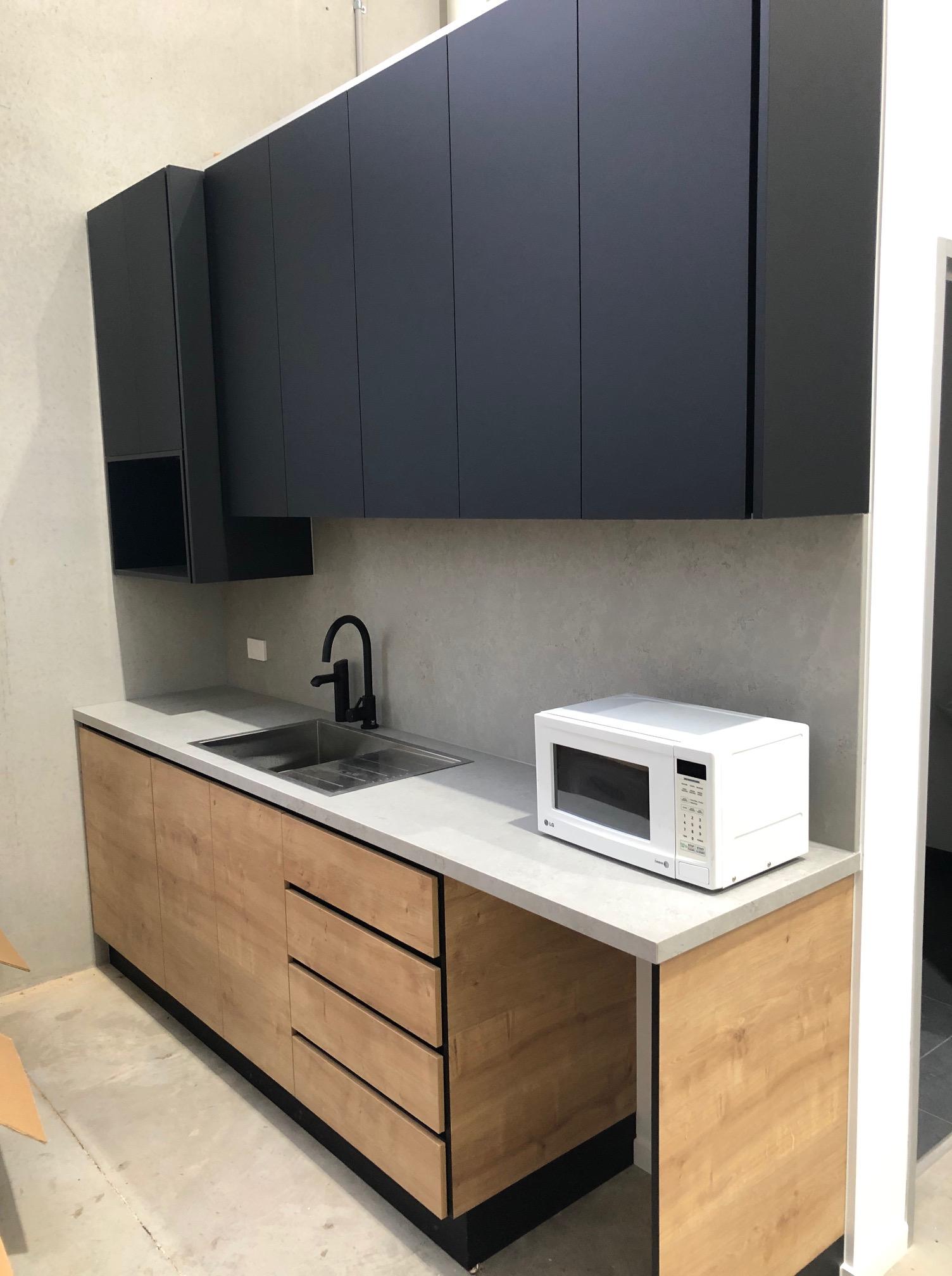
Compliance, permits and landlord requirements are easier to manage
Commercial fitouts come with layers of responsibility that are easy to underestimate at the start. Building permits, code compliance, essential services, base building conditions, make-good obligations and landlord approvals all need to be addressed properly.
For businesses without an in-house property or projects team, these obligations can become a hidden burden. Even larger organisations often prefer not to have internal staff managing every moving part of the process.
A turnkey partner with commercial fitout experience understands how these requirements affect the scope, budget and timeline. Just as importantly, they know when to raise issues early. That can prevent delays caused by incomplete documentation, approval bottlenecks or works that need to be revised after review.
In Melbourne CBD buildings and suburban commercial sites alike, these details can have a real impact on delivery. They are not glamorous, but they are central to a project finishing on time and to standard.
Design quality does not have to be sacrificed for efficiency
Some decision-makers worry that a turnkey model will prioritise speed over design quality. That can happen if the provider is purely construction-led and treats design as an afterthought. But the better turnkey partners do the opposite. They use design to solve business problems while keeping delivery grounded in practical realities.
That means asking the right questions early. How many people need to be accommodated now, and in two years? What kinds of work need focus, privacy or collaboration? What should the space say about your brand and culture? Which finishes will look good on day one and still perform well after heavy use?
The value of this approach is that the workplace is designed to work operationally, not just visually. You are more likely to end up with a space that supports recruitment, productivity and staff experience without drifting into unnecessary cost.

It is not always the right model for every project
There are cases where a separate consultant and tendered builder model may suit. Large organisations with established procurement frameworks or internal property teams sometimes prefer to split design and delivery. In highly specialised environments, independent consultants may also be engaged to lead specific technical scopes.
But for many mainstream commercial projects, a turnkey model is the more efficient and lower-risk option. That is especially true when your priority is to keep the project moving, maintain budget discipline and avoid spending internal time coordinating multiple parties.
The real question is not whether turnkey is always better. It is whether your organisation wants one accountable partner who can carry the workload from concept to completion.
What to look for in the right fitout partner
Experience matters, but so does delivery structure. Ask who will manage your project day to day, how pricing is developed, how variations are handled and what is included beyond construction. If furniture, joinery, finishes, relocation planning and maintenance sit outside the scope, the project may not be as turnkey as it first appears.
It is also worth looking at communication style. The best partners are clear, responsive and realistic. They do not overpromise. They explain trade-offs, identify risks early and keep the process moving without making you chase them for answers.
That is often what clients value most after the project is finished. Not just the final space, but the confidence that the process was handled properly from beginning to end.
If your business is planning a relocation, refurbishment or new office fitout, choosing the right project model can save far more than money. It can save time, reduce pressure on your team and give you a workplace that performs as well as it looks. A dependable turnkey partner should make the whole process feel more certain, not more complicated.
Next step
Find out what your fitout costs.
One team for design, construction, joinery and furniture. One contract, one fixed price, and one person to hold us to it.