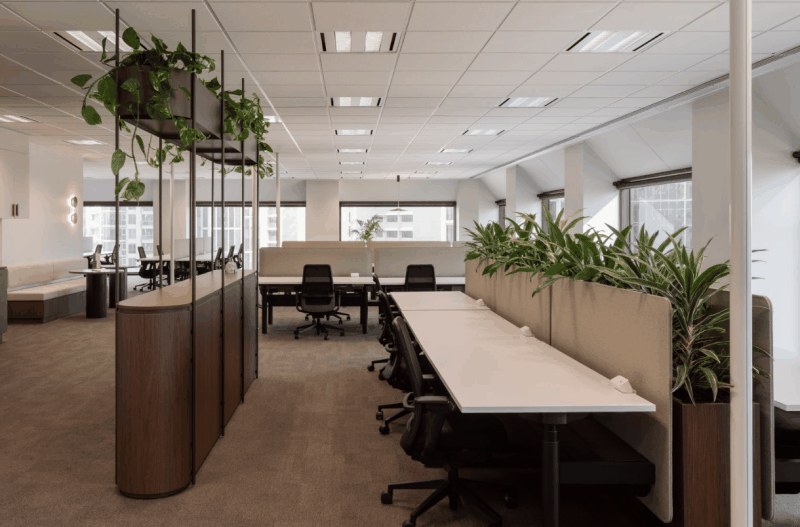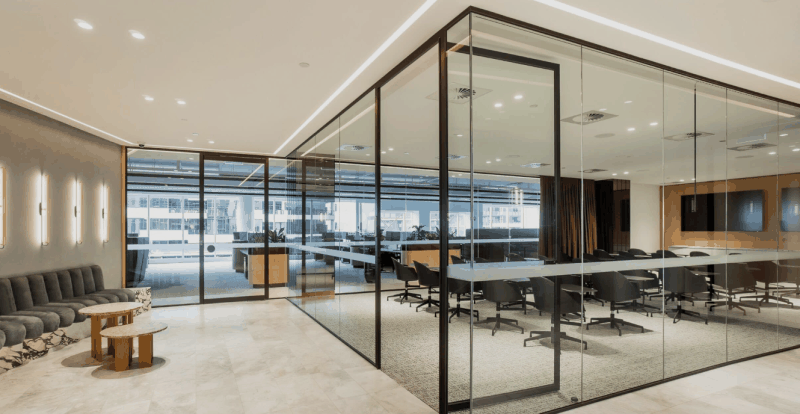
Budget blowouts usually do not start on site. They start much earlier – in vague scopes, incomplete drawings, assumptions about approvals, and quotes that look comparable until the variations begin. That is why the fixed price office fitout process matters. For businesses planning a relocation, refurbishment or new workspace, it provides clarity around cost, accountability and delivery before work starts.
A fixed-price model is not simply a cheaper way to buy a fitout. It is a more disciplined way to plan one. When done properly, it gives decision-makers a clear understanding of what is included, what is excluded, when approvals are needed and who is responsible for each stage. That matters whether you are fitting out a single tenancy or coordinating a larger workplace change across multiple teams.
What a fixed price office fitout process actually means
In practical terms, a fixed price office fitout process is a project pathway where the agreed scope, specifications and delivery responsibilities are defined up front, then priced as one committed amount. Instead of managing separate consultants, trades, furniture suppliers and compliance steps through different contracts, the client works with a single project partner that coordinates the full delivery.
That price should reflect the actual agreed scope, not a rough estimate dressed up as certainty. There is an important difference. A genuine fixed-price fitout is built on detailed planning, measured documentation, supplier coordination and review of site conditions. If those steps are skipped, the price may be fixed only until the first problem appears.
This is why experienced clients look beyond the headline number. They want to know how the figure was prepared, what assumptions sit behind it and how likely it is to hold once construction begins.
The stages in the fixed price office fitout process
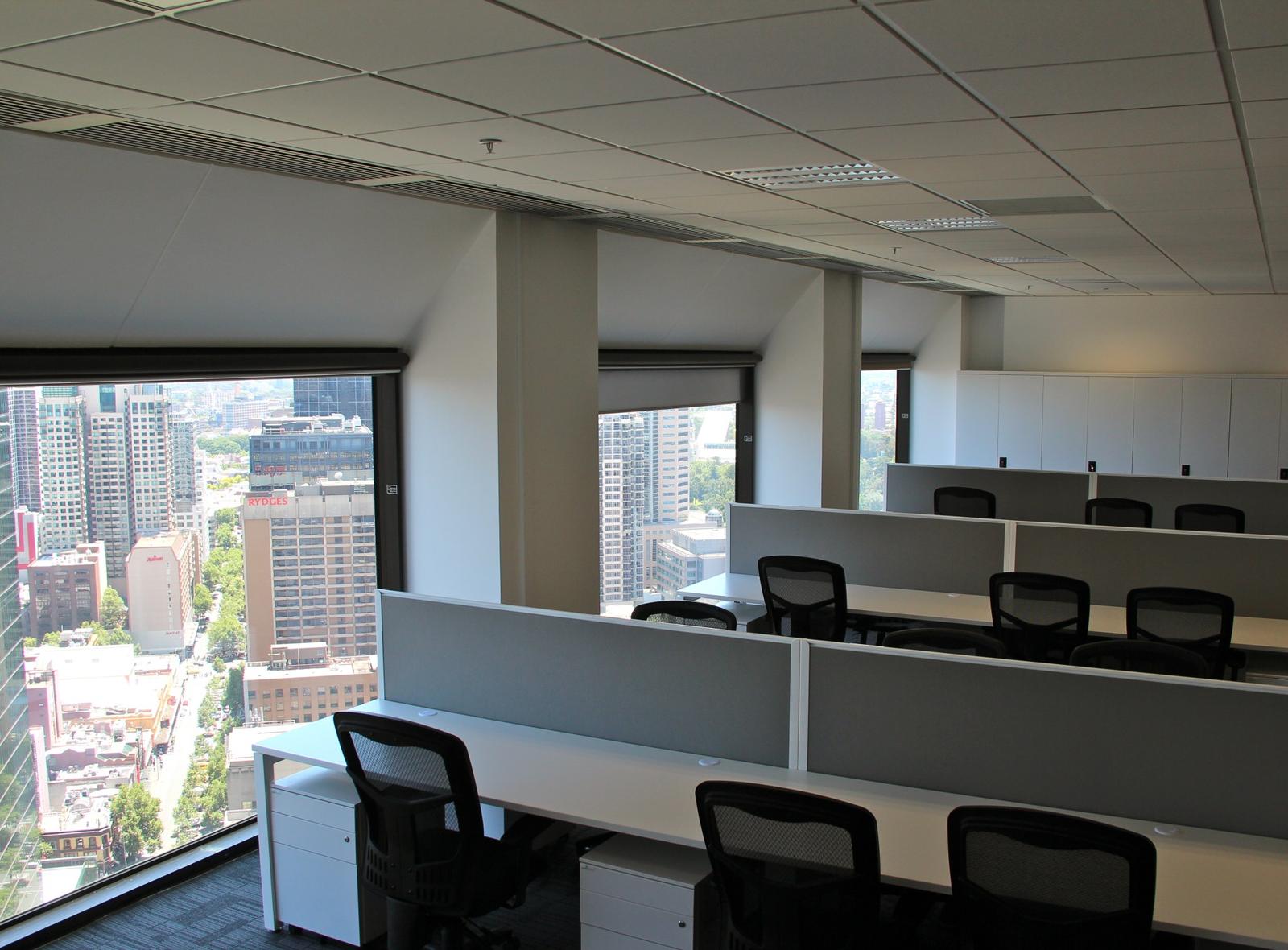
The process usually begins with a workplace brief. This is where business needs are translated into project requirements. Headcount, team structure, meeting spaces, acoustic needs, storage, technology, branding, accessibility and future growth all influence the fitout. A CFO may focus on whole-of-project cost and operational downtime, while HR may be more concerned with staff experience and retention. Both perspectives need to be captured early.
Once the brief is clear, the next stage is concept planning and space design. This is where layout options are tested against the tenancy and the organisation’s way of working. A good layout is not just about fitting desks into a floorplate. It needs to support circulation, privacy, collaboration, compliance and day-to-day practicality. If the space looks impressive but creates noise issues or awkward workflows, the project has missed the mark.
After concept approval, the project moves into detailed design and scope definition. This is one of the most important stages in any fixed-price approach. Finishes, joinery, workstations, meeting rooms, electrical requirements, lighting, data, glazing, signage and furniture selections all need to be documented clearly. The more detail resolved here, the less room there is for confusion later.
Then come the compliance and delivery requirements. Depending on the building and project type, this can include landlord approvals, building rules, permits, engineering input and programming around access hours or other tenants. In occupied buildings, logistics matter as much as design. Lift bookings, noisy works, after-hours access and staging can all affect timing and cost.
Once the scope and delivery conditions are documented, the fixed price is prepared and issued. At this point, the client should be able to see exactly what is included in the contract amount and how the project will be delivered. If anything remains provisional, it should be identified plainly rather than buried in fine print.
Construction then proceeds under that agreed scope, with project management overseeing trades, procurement, site coordination, quality control and programme. The final stages usually include furniture installation, defect resolution, handover and any maintenance follow-up needed after occupation.
Why some fixed-price fitouts still lead to variations
A fixed price reduces risk, but it does not remove every variable. Some changes are client-driven. Teams expand, priorities shift, or a late decision is made to upgrade finishes or furniture. Those are legitimate scope changes and should be treated transparently.
Other variations happen because the original scope was not fully resolved. This is where problems usually arise. If a quote was prepared from incomplete drawings, generic allowances or assumptions about services, hidden costs can emerge once walls are opened or final selections are made. The issue is not the fixed-price model itself. The issue is how much work was done before the contract was signed.
There are also external factors to consider. Existing building conditions, landlord requirements, compliance changes and lead times on imported products can all influence delivery. An experienced fitout partner will flag these early and build realistic contingencies into the planning phase, even if they cannot all be priced away entirely.
What decision-makers should check before signing
The most useful question is not, “Is this the lowest price?” It is, “How complete is this scope?” A lower price can become expensive very quickly if key elements have been omitted or left vague.
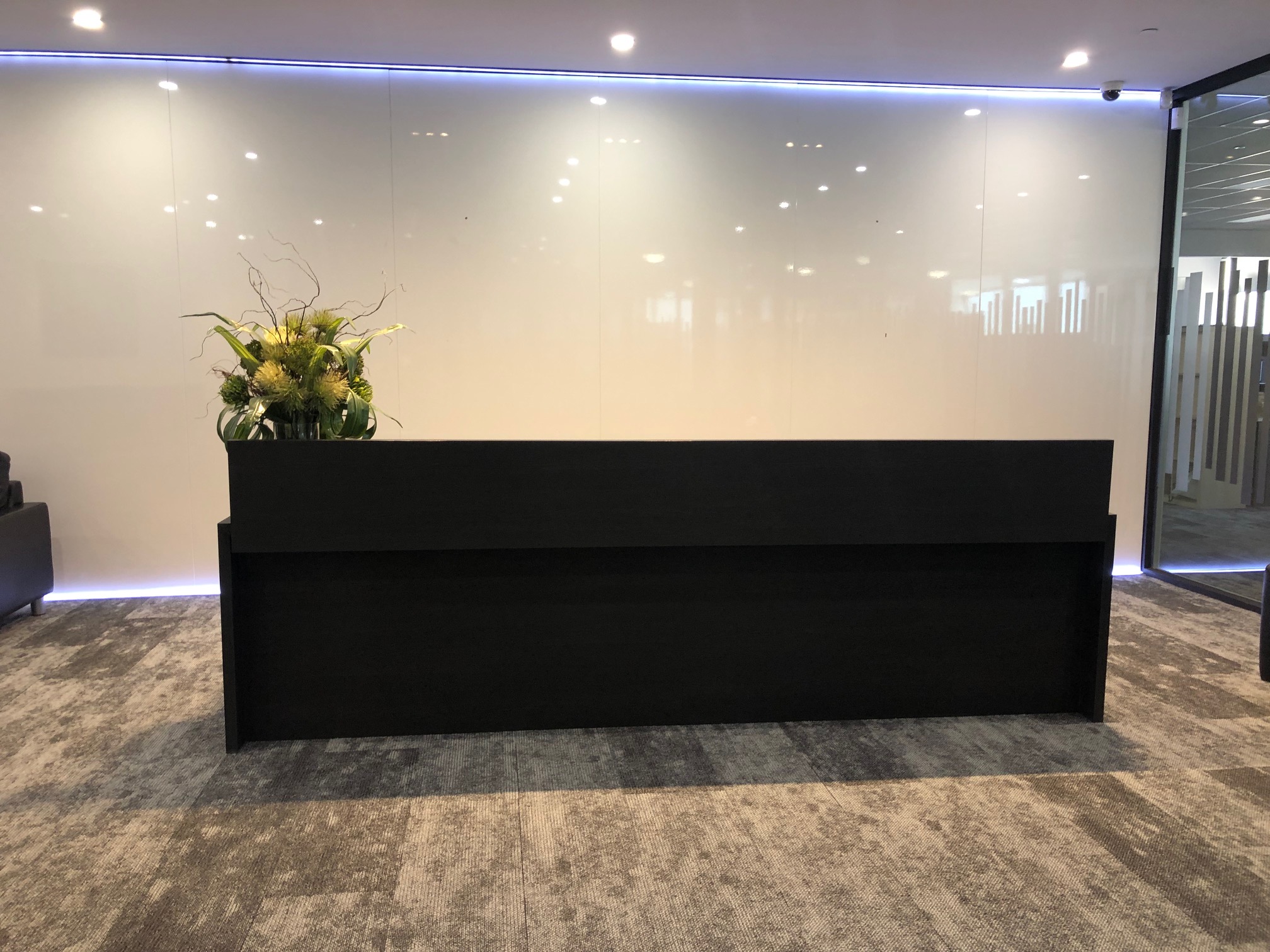
Look closely at documentation. Are finishes, furniture and joinery specified clearly? Are demolition, make good, services upgrades, certifications and approvals included? Is there a programme that reflects your operational needs? Has the builder reviewed the site properly, or are they pricing from assumptions?
It is also worth checking who is managing what. In some projects, the client still ends up coordinating consultants, landlord communication or furniture procurement despite being told the fitout is turnkey. A dependable fixed-price process should reduce that burden, not shift it back onto your team.
Communication matters as well. During a fitout, silence usually creates stress. Clear reporting, practical advice and early notice of issues are often just as valuable as competitive pricing. Businesses want confidence that deadlines will be met, disruption will be controlled and decisions will not be left hanging.
Where the fixed-price model works best
The model is especially effective when businesses need budget certainty and a single point of accountability. Office relocations are a good example. There are already enough moving parts in a relocation without adding fragmented project management and unpredictable costs. Refurbishments in live environments also benefit, because staging, timing and communication are critical.
It also suits organisations that need governance around spending. Government, education and healthcare clients often require clearer documentation, stronger compliance and more disciplined approval pathways. A structured fixed-price process aligns well with those expectations.
That said, there are projects where early-stage uncertainty is too high for a meaningful fixed-price commitment straight away. If a tenancy has major unknown services issues or the brief is still evolving, an initial design and investigation phase may be the better first step. Certainty should be earned through planning, not promised too early.
Why end-to-end delivery changes the result
A fixed price is only as reliable as the team behind it. When design, construction, furniture, approvals and project management are handled in separate silos, responsibility can become blurred. Delays are harder to resolve because each party is focused on their own scope rather than the project as a whole.
An end-to-end model changes that dynamic. It brings design decisions, construction realities and budget control into the same conversation from the start. If a feature wall affects services coordination, or a furniture selection alters circulation space, the impact can be assessed immediately. That usually leads to better decisions and fewer surprises.
For clients across Melbourne’s CBD and surrounding business hubs, this joined-up approach can make a real difference when projects are working to tight building rules, staged access or firm move-in dates. It is not just about convenience. It is about reducing the number of gaps where time and money are often lost.
Integrity Office has built its delivery model around that principle – one accountable team, one agreed scope and a process designed to keep projects moving without unnecessary complication.
The real value of a fixed price office fitout process
The real benefit is not simply cost control. It is decision-making confidence. When the scope is clear and responsibilities are defined, businesses can plan with more certainty around capital spend, operational continuity and staff transition. That makes the project easier to approve internally and easier to manage day to day.
It also tends to improve the finished outcome. Good workplaces are not created by chasing the cheapest quote. They come from balancing design intent, practical function, compliance and budget in a way that supports the organisation long after handover.
If you are considering a fitout, ask for more than a number. Ask how the project will be scoped, documented and managed. The right process will tell you far more about the likely result than the price alone – and that is usually where a successful workspace begins.
Next step
Find out what your fitout costs.
One team for design, construction, joinery and furniture. One contract, one fixed price, and one person to hold us to it.