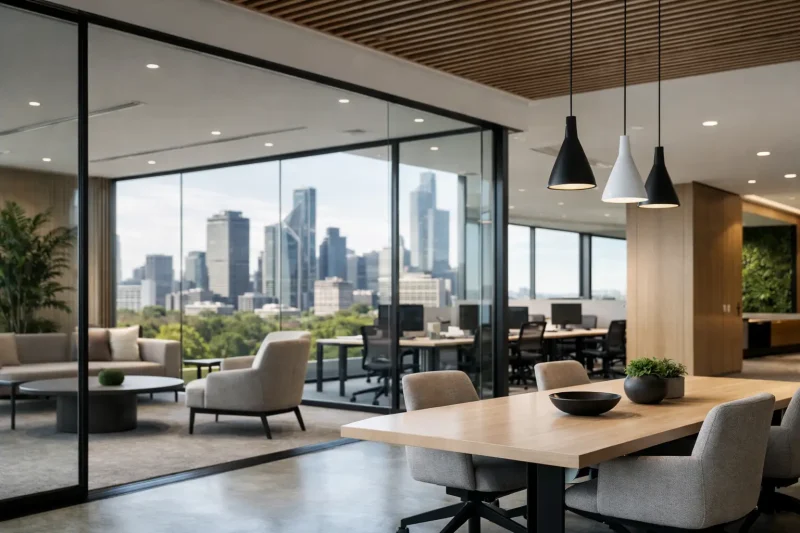
If you are budgeting for a new workspace or planning a relocation, one of the first questions is usually simple: what does office fitout include? The short answer is more than most businesses expect. A fitout is not just walls, carpet tiles and desks. It often covers the planning, approvals, construction, finishes, furniture and practical details that turn an empty tenancy or tired office into a workplace your team can actually use.
That matters because the scope affects cost, timing and who is responsible when something goes off track. For office managers, operations leaders and business owners, clarity at the start prevents expensive surprises later.
What does office fitout include in practice?
In practice, an office fitout includes everything needed to make a commercial space functional, compliant and suited to the way your organisation works. The exact scope depends on whether you are moving into a bare shell, refurbishing an existing office or reconfiguring part of an occupied workplace.
Some projects are largely cosmetic. Others involve a full transformation with demolition, services upgrades, custom joinery, new workstations and landlord approvals. That is why fitout proposals can vary so much from one provider to another. One quote may include design and permits, while another may only cover construction.
A proper fitout scope usually starts well before any trades arrive on site.
Workplace planning and design
This is where the project either becomes efficient or starts collecting problems. Early planning usually includes site inspections, measure-ups, test fits, space planning and layout development. At this stage, the business needs of the organisation are translated into a practical floorplan.
That might mean deciding how many workstations you need now versus in two years, how much meeting space is realistic, whether quiet rooms are necessary, and how reception should represent your brand. For HR and leadership teams, this stage is also where culture becomes visible. A workplace designed for focused work looks very different from one built around collaboration or client-facing activity.
Interior design often sits within this phase as well. That covers finishes, colours, materials, lighting style and the overall feel of the workspace. Good design is not about making an office look trendy for six months. It is about creating a workplace that feels considered, supports productivity and reflects the business properly.
Budgeting, documentation and approvals
This part is easy to underestimate because it is not as visible as new furniture or freshly painted walls. Still, it is central to a successful project. Fitout documentation can include concept drawings, detailed plans, specifications and schedules for finishes and fixtures.
There may also be landlord approvals, building management requirements and statutory permits to deal with. Depending on the building and the scope, you may need approvals for building works, fire services changes, signage, electrical works or after-hours access arrangements.
For businesses in larger Melbourne commercial buildings, these approval steps can have a real impact on timing. If they are not managed properly, your move-in date can slip even if the trades are ready to go.
Base building works and construction
Once design and approvals are sorted, the physical fitout starts to take shape. Construction is often what people picture first when they think about office fitouts, but it is only one part of the whole process.
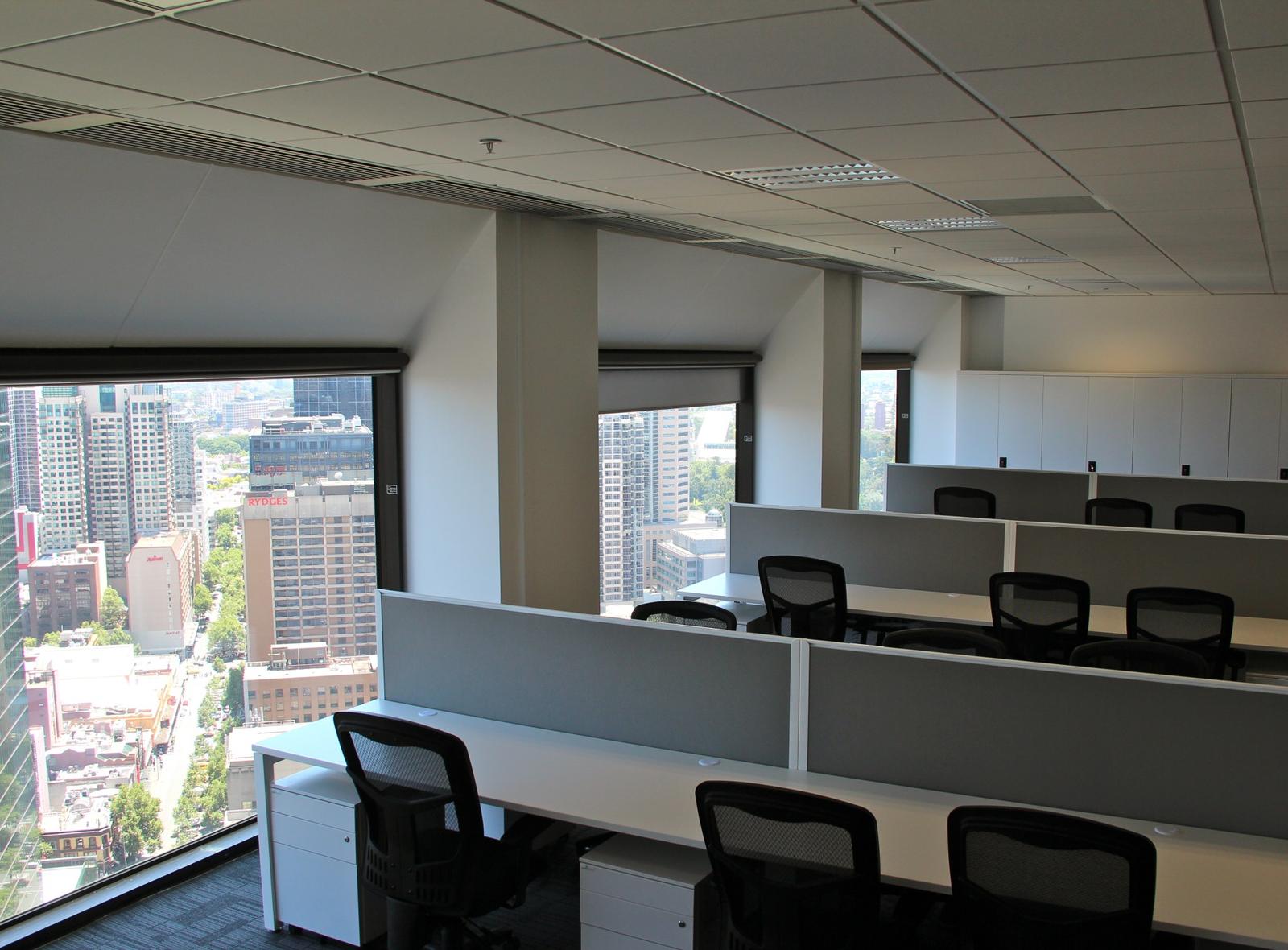
Construction works may include demolition of old partitions, removal of outdated finishes, installation of new walls, glazed offices, doors, ceilings and flooring. If the office has a reception area, meeting rooms, utility zones or breakout spaces, these are generally built during this stage.
The level of work depends on the tenancy condition. A warm shell may already have ceilings, lighting and air conditioning in place. A cold shell may need almost everything installed from scratch. Refurbishments can be more complex again, especially if your team needs to keep working in the space while the project is underway.
Services and compliance items
A fitout is not complete just because the space looks finished. Offices also need the services behind the walls and ceiling to function day to day. This can include electrical, data cabling, lighting, air conditioning adjustments, hydraulic works and fire services modifications.
These items are often where hidden costs appear if the project scope is vague. For example, moving a meeting room wall may sound minor, but it could mean relocating sprinklers, smoke detectors, light fittings and air diffusers. That is why experienced project management matters. The visible change is only one part of the job.
Compliance is equally important. Commercial fitouts need to meet relevant codes, accessibility requirements and building standards. If your office includes public-facing areas or specialised work zones, compliance needs can become more detailed again.
Furniture, joinery and finishes
For many businesses, this is the stage where the office starts to feel real. Furniture and finishes shape how the space looks, but they also affect comfort, durability and the daily experience of your staff and visitors.
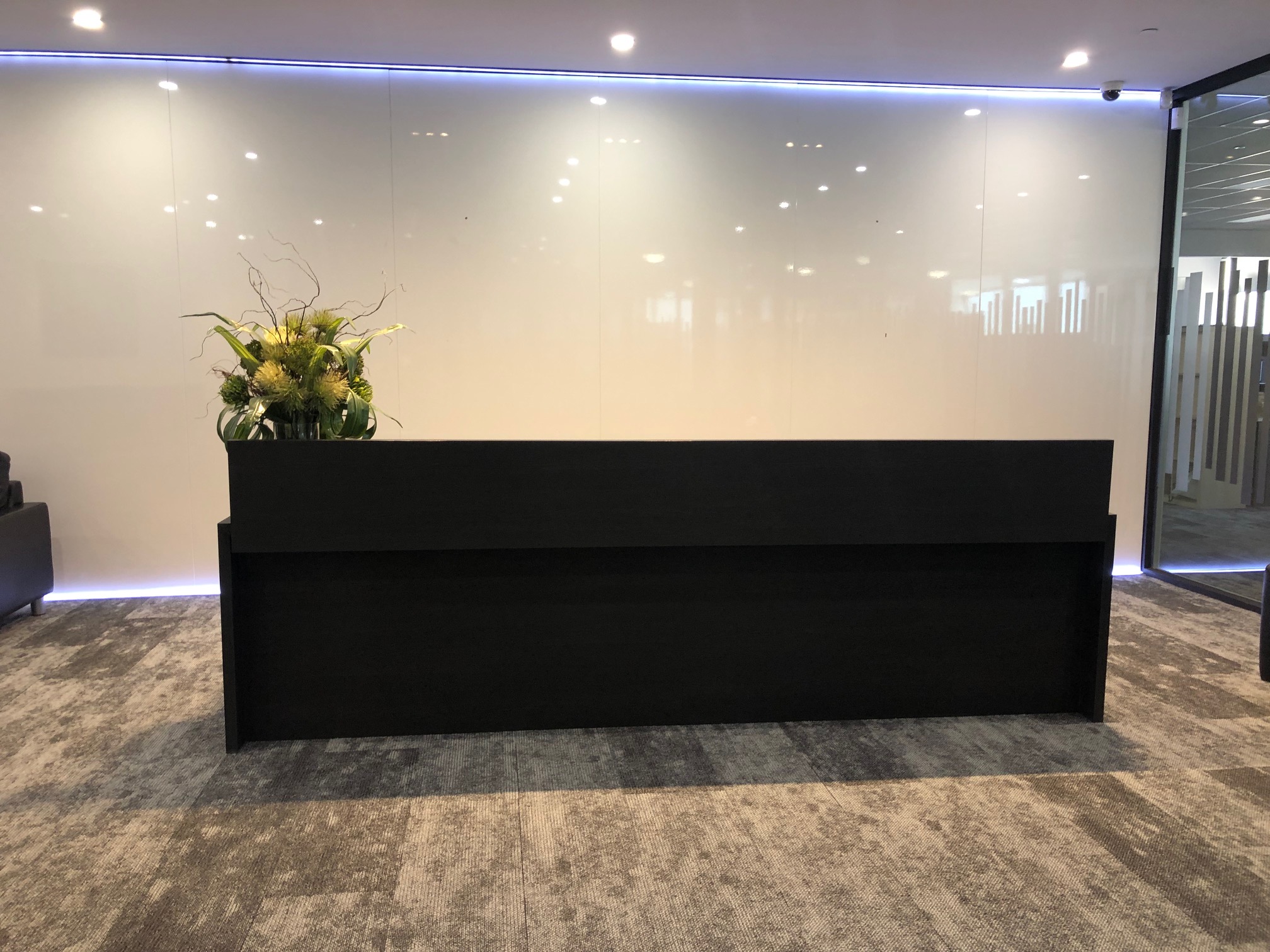
A fitout may include workstations, ergonomic chairs, boardroom tables, meeting room furniture, reception desks, lounge seating and storage. In some projects, furniture is a separate purchase. In others, it is integrated into the fitout contract so the business has one point of responsibility from design through to installation.
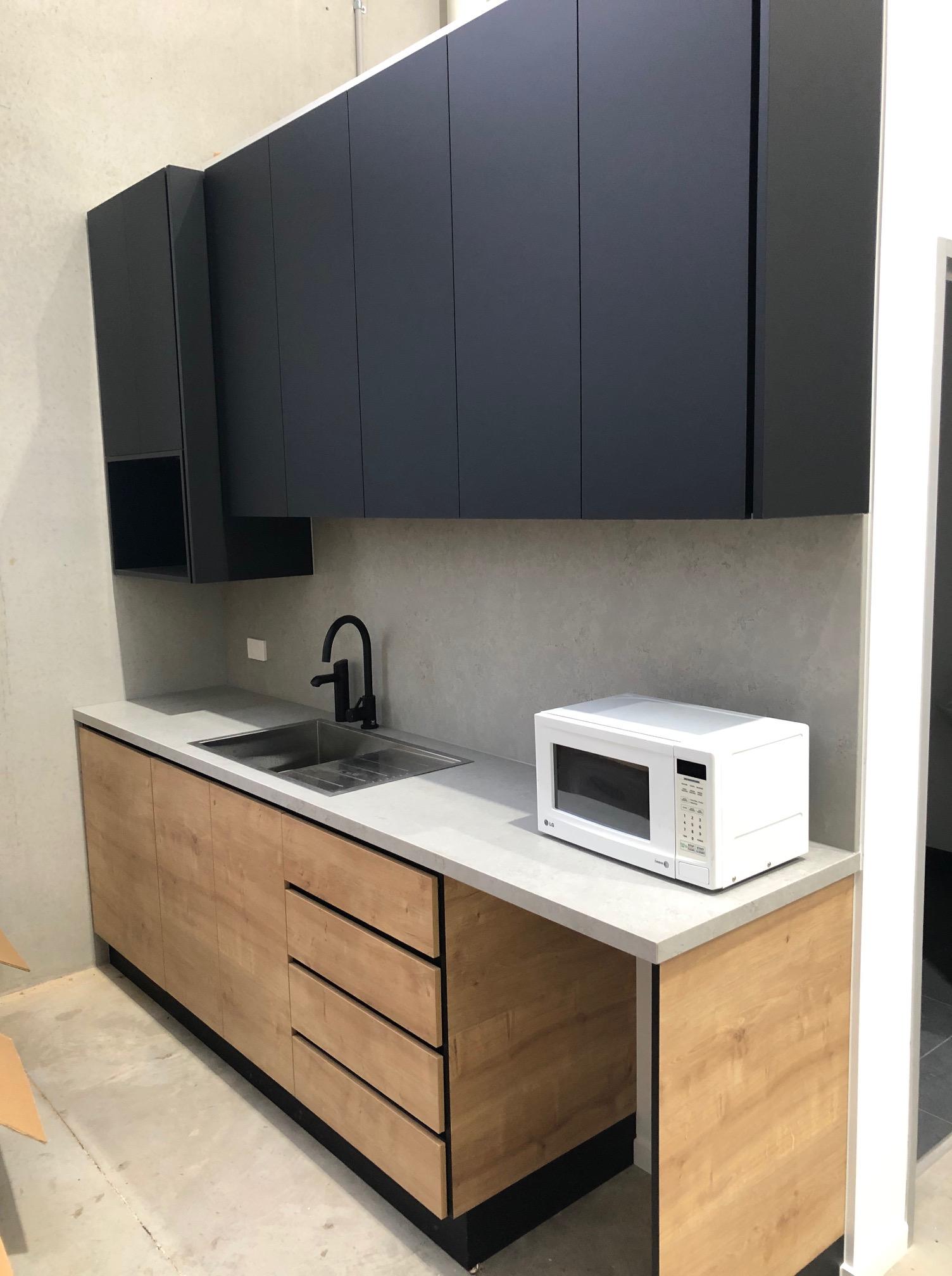
Custom joinery is another common inclusion. This might cover reception counters, credenzas, utility cupboards, kitchen cabinetry, printer stations and storage walls. Joinery is often what gives an office a more considered, brand-aligned finish rather than a generic tenancy look.
Finishes usually include flooring, paint, wall treatments, glazing film, acoustic treatments and window furnishings where needed. These choices should be practical as well as attractive. A beautiful finish that marks easily or wears poorly in a high-traffic office is not good value.
Technology and practical workplace details
Depending on the provider and project brief, office fitout inclusions may extend to audiovisual setup, video conferencing rooms, monitor arms, lockers, whiteboards, acoustic screens and other operational elements.
These details are sometimes left until late in the process, which can be a mistake. If your teams rely on hybrid meetings, private calls or booking systems, technology needs to be planned alongside the layout. It is much easier to build for those needs early than retrofit them later.
What is sometimes excluded from an office fitout?
This is where careful reading matters. Not every fitout proposal includes the same services, and the exclusions can be just as important as the inclusions.
Some contractors only price the building works and leave out design, permits, furniture, relocation support or make-good obligations. Others may exclude IT setup, loose décor, signage, security systems or ongoing maintenance. None of that is necessarily a problem, as long as it is clear from the beginning.
Businesses often run into trouble when they assume a fitout is fully turnkey, only to learn they still need to coordinate separate suppliers for workstations, electrical changes or approvals. That creates more admin internally and can blur accountability if issues arise.
Why scope clarity matters more than the headline price
A lower quote can look attractive until the variations start. If the project scope is thin, important items may be added later as extras. That can affect your budget and your timeline at the same time.
The better question is not just what the fitout costs, but what the price actually includes. A fixed-price, end-to-end approach can make sense for many organisations because it reduces the number of moving parts and gives decision-makers clearer control over the outcome.
That is especially useful when your business is trying to keep operating during works, meet a lease deadline or coordinate a relocation with minimal disruption.
How to tell if a fitout proposal is complete
When reviewing a proposal, look for detail around design, approvals, construction, services, finishes, furniture and handover. You should also be clear on who manages subcontractors, building management, compliance requirements and defects after completion.
A strong proposal does not have to be overloaded with jargon. It just needs to show that the provider understands the practical realities of delivering a commercial workspace from start to finish. Experienced firms such as Integrity Office tend to structure projects this way because it gives clients one accountable partner rather than a collection of disconnected trades and suppliers.
The most useful starting point is to think about your project in layers. First, what does the space need to function? Second, what does your team need to work well? Third, what does the office need to say about your organisation? When those three layers are covered properly, the fitout becomes more than a construction job. It becomes a workplace that supports the business behind it.
If you are asking what does office fitout include, you are already asking the right question. The answer should give you confidence not just in the design, but in the delivery.
Next step
Find out what your fitout costs.
One team for design, construction, joinery and furniture. One contract, one fixed price, and one person to hold us to it.