A fit-out can start with a simple goal – more room, better workflow, a workplace that actually reflects the business – and quickly turn into a stream of decisions, approvals and moving parts. That is why end to end fitout delivery appeals to so many organisations. Instead of juggling designers, builders, furniture suppliers, trades, landlords and compliance requirements separately, you work with one project partner who carries the job from first brief to final handover.
For office managers, operations leads, CFOs and business owners, that is not just a convenience. It changes how risk is managed, how budgets are controlled and how much disruption the business has to absorb while work is underway.
What end to end fitout delivery actually means
In practical terms, end to end fitout delivery means a single provider manages the full scope of the workplace project. That usually starts with consultation, site assessment and workplace planning, then moves through design, documentation, approvals, construction, joinery, finishes, furniture, technology coordination and post-project support.
The key difference is accountability. When the same team is responsible across every stage, there is less room for finger-pointing if something shifts. If a design detail affects buildability, or a furniture selection changes access requirements, those issues are addressed inside one delivery model rather than between separate suppliers with competing priorities.
That does not mean every project looks the same. A full relocation, a staged refurbishment and a tenancy upgrade all have different pressures. But the principle remains consistent – one team coordinates the process, manages the timeline and keeps the project aligned with the original brief.
Why businesses choose end to end fitout delivery
Most commercial clients are not looking for novelty. They want a workspace that functions properly, supports staff, presents well to clients and gets delivered without budget creep or operational chaos.
That is where an end to end model tends to outperform a fragmented one. When design, construction and furnishing are considered together from the outset, practical decisions are made earlier. You can test layout ideas against budget realities, check lead times before final selections are locked in and avoid redesigning elements later because they do not suit the building, programme or budget.
There is also a communication advantage. Internal stakeholders already have enough to manage. If finance is asking about costs, HR is focused on staff experience, operations needs continuity, and leadership wants the space to reflect brand and culture, those conversations need to come together. A single delivery partner can translate those priorities into one coordinated plan.
Budget control is stronger when the scope is connected
A common problem in fit-out projects is that the budget is treated as a checkpoint rather than a working tool. Concept designs are developed, expectations rise, and only later does the full cost picture become clear. By that stage, value engineering often becomes reactive and frustrating.
With end to end fitout delivery, cost planning can happen alongside design development. That allows the team to shape the project around what matters most. If acoustic performance is critical but custom joinery can be simplified, those trade-offs can be made early. If a front-of-house area needs strong visual impact but back-of-house spaces can be more functional, the budget can be allocated accordingly.
Fixed-price delivery is especially valuable here, but only when the documentation and scope have been properly resolved. A low number at the start means very little if variations begin to stack up. The real benefit comes from clarity – clear inclusions, realistic allowances and a delivery team experienced enough to identify risks before they become extras.
Timeframes improve when fewer handovers are involved
Programmes slip for many reasons, but handover points are one of the biggest. Every time a project moves from one party to another, there is a chance for information to be lost, assumptions to creep in or delays to take hold.
An integrated delivery model reduces those gaps. Designers can coordinate directly with project managers and site teams. Procurement can begin with a clear view of the construction sequence. Landlord submissions and building requirements can be managed in parallel rather than as afterthoughts.
This matters even more in occupied workplaces or relocation projects where timing is tied to lease dates, staff moves, IT cutovers and business continuity. A polished concept is not much use if the space is not ready when the team needs to move in.
End to end fitout delivery and workplace outcomes
A successful fit-out is not just a finished room with new carpet tiles and furniture. It should support how people work, how teams interact and how the business wants to be seen.
That is another strength of end to end fitout delivery. Because the same team carries the brief from planning through to completion, the original intent is less likely to get diluted. If the goal is to improve collaboration without increasing noise, or to create client-facing areas that feel premium while keeping the back-end practical, those priorities can stay visible all the way through the build.
This is especially relevant for organisations refreshing older offices. It is easy to focus on surface upgrades, but the better question is whether the space will work harder once the project is done. Layout, circulation, storage, meeting room mix, ergonomic furniture, acoustic treatment and finishes all influence how well the workplace performs day to day.
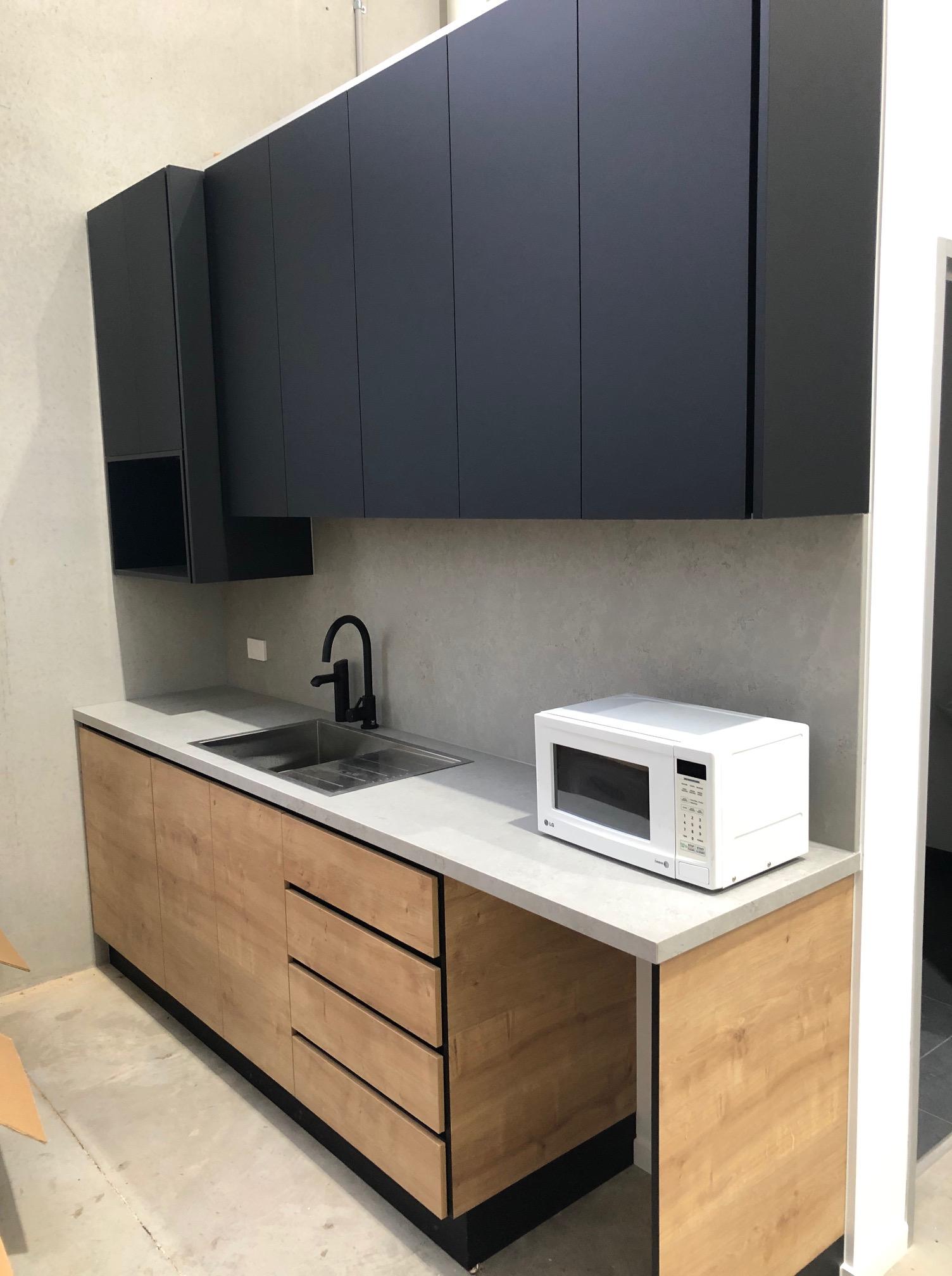
Where this model saves the most stress
The biggest benefit is often not design quality or even speed. It is reduced strain on the client team.
When multiple consultants and contractors are involved separately, someone on the client side usually ends up acting as the unofficial coordinator. They chase updates, reconcile conflicting advice, manage approval gaps and try to keep the job moving while still doing their actual role.
For many businesses, that is neither efficient nor realistic. An experienced fit-out partner should be absorbing that complexity, not passing it back to the client. That includes coordinating trades, handling permits, managing site access, dealing with landlord requirements and keeping reporting clear enough for decision-makers to act quickly.
In Melbourne CBD buildings and larger commercial sites across the suburbs, that coordination becomes even more important because access windows, building rules and compliance expectations can add another layer of pressure. A team that has done it many times before can prevent small issues from turning into expensive delays.
It is not a one-size-fits-all answer
An end to end model suits many projects, but not every organisation wants the same level of involvement from one provider. Some already have an architect they trust. Others may have internal procurement rules that separate design from construction. In those cases, a more tailored structure may be appropriate.
The important question is not whether every service sits under one contract. It is whether the project has genuine coordination, clear accountability and enough experience at the table to keep design intent, cost and delivery aligned.
There is also a quality consideration. A provider offering everything is only valuable if they are strong across everything that matters to your project. That includes planning, documentation, build quality, furniture knowledge, programme management and communication. Breadth on its own is not the point. Reliable delivery is.
What to ask before choosing a fit-out partner
If you are comparing providers, ask how they manage scope changes, what sits inside the fixed price, who will be your day-to-day contact and how they handle landlord approvals and compliance. Ask for examples of projects where timing was tight, sites were occupied or the brief evolved along the way. Those are the moments that show whether a team can actually manage complexity.
It also helps to look at how they talk about workplace outcomes. Good fit-out delivery is not only about construction. It should connect business goals to practical design decisions, then carry those decisions through procurement and build without losing momentum.
A dependable partner will be direct about trade-offs. Not every finish is worth the premium. Not every trend belongs in a working office. Not every fast timeline is realistic. Clear advice at the start is usually what protects the project at the end.
For businesses that want one point of accountability, a clearer process and fewer surprises, end to end fitout delivery is often the most sensible path. It simplifies decision-making without oversimplifying the work itself, which is exactly what a commercial project needs. When the right team is in place, the result is not just a better office. It is a project that feels under control from day one.
Next step
Find out what your fitout costs.
One team for design, construction, joinery and furniture. One contract, one fixed price, and one person to hold us to it.