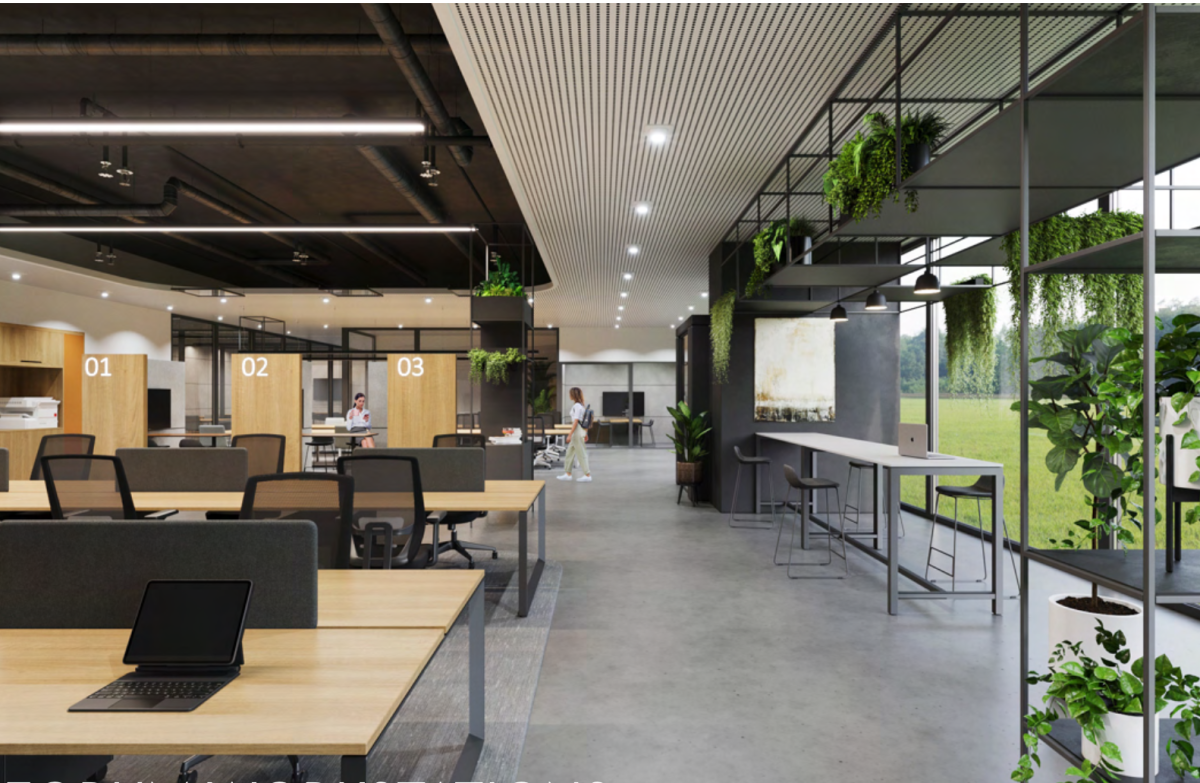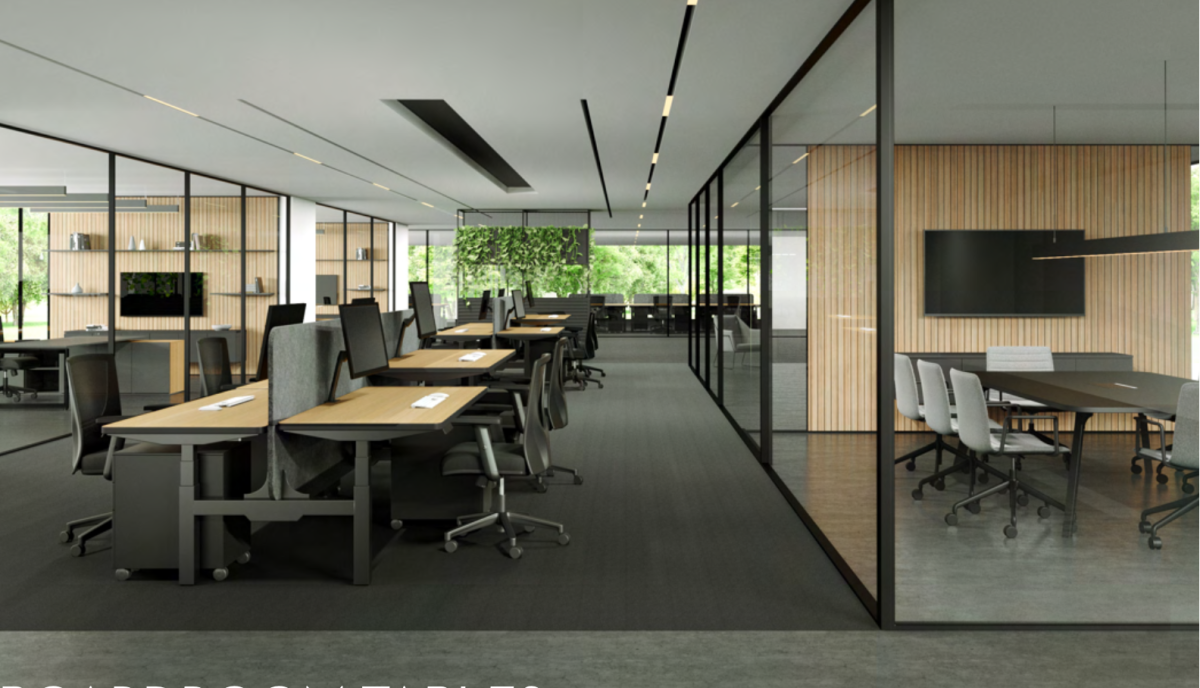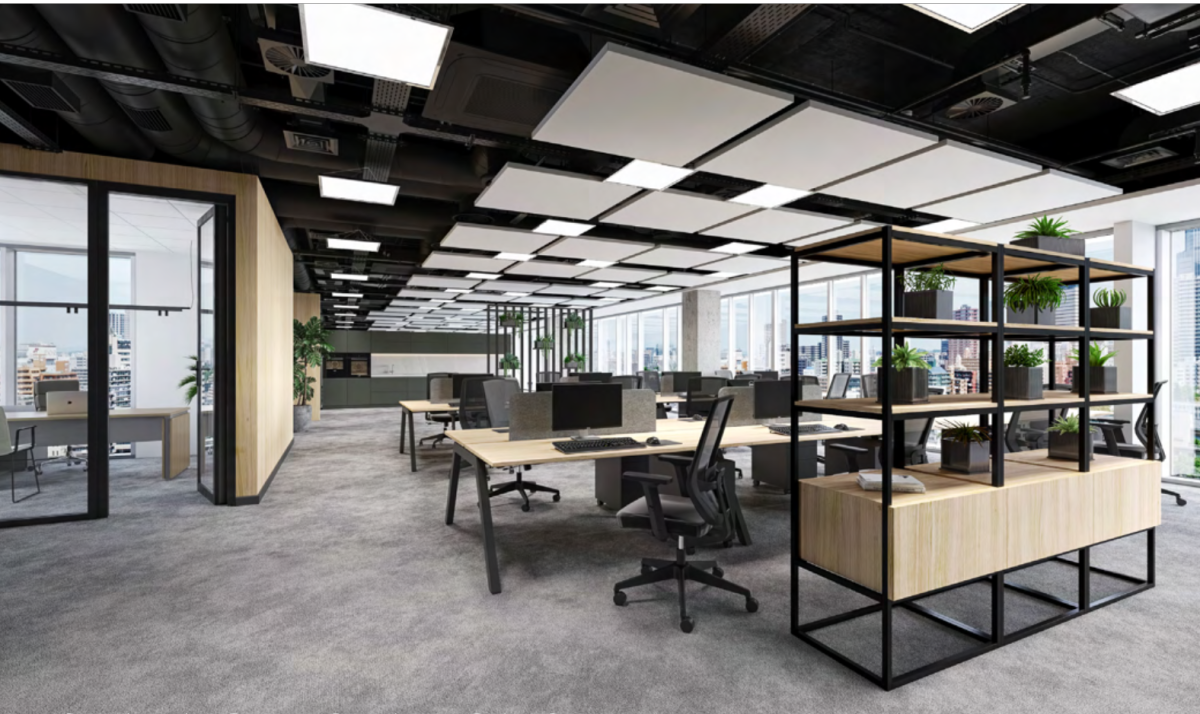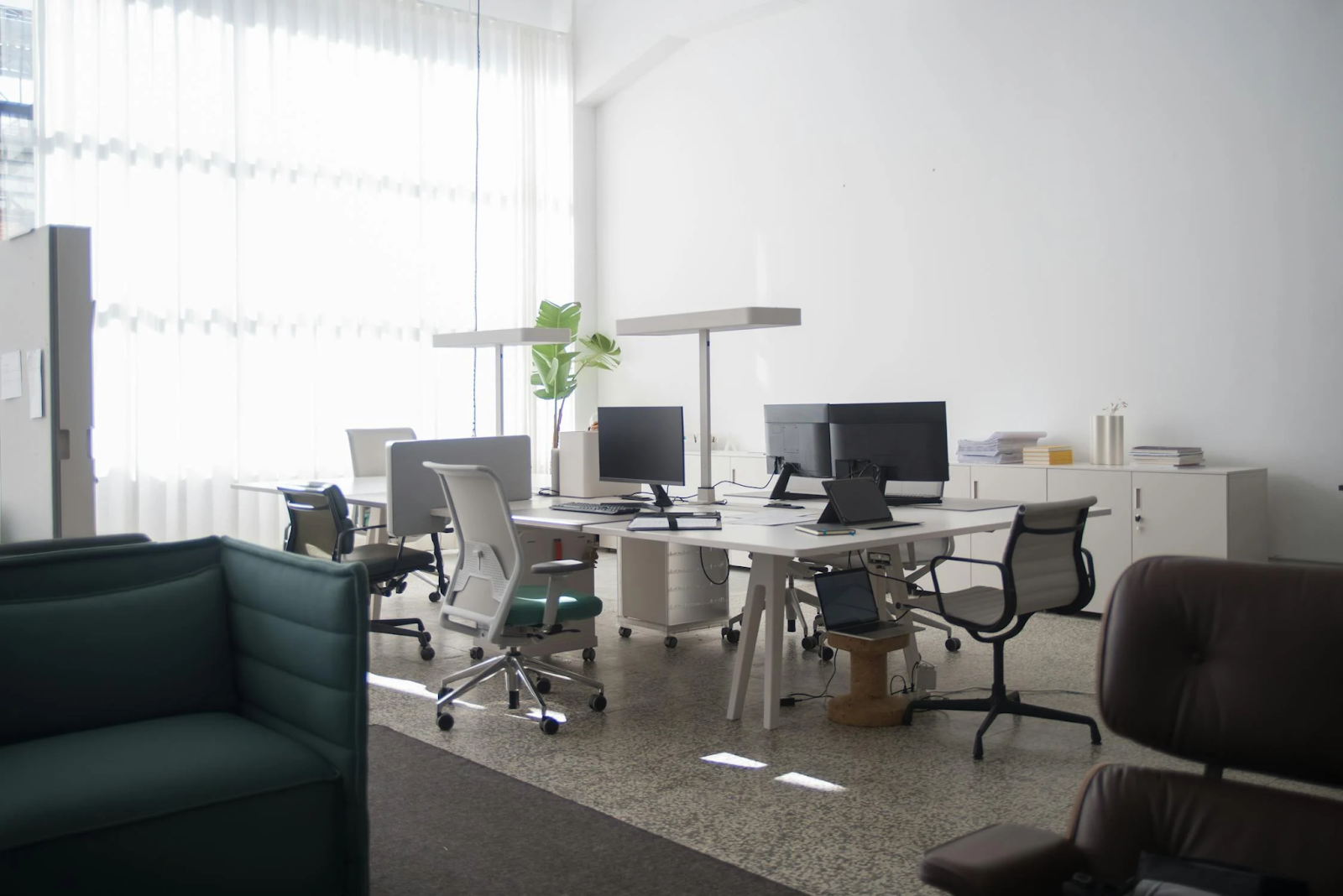
9 Meeting Room Furniture Ideas That Work

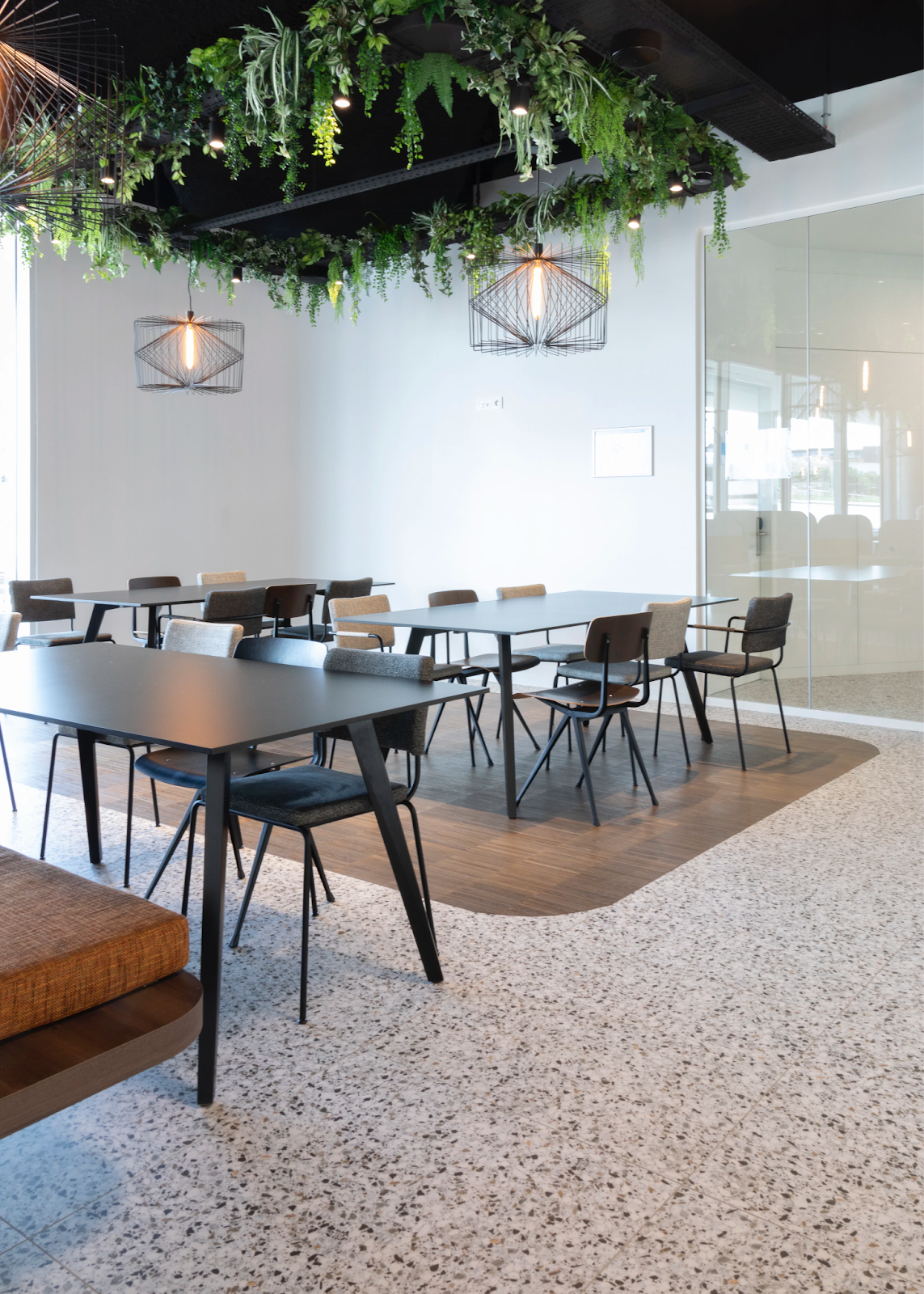
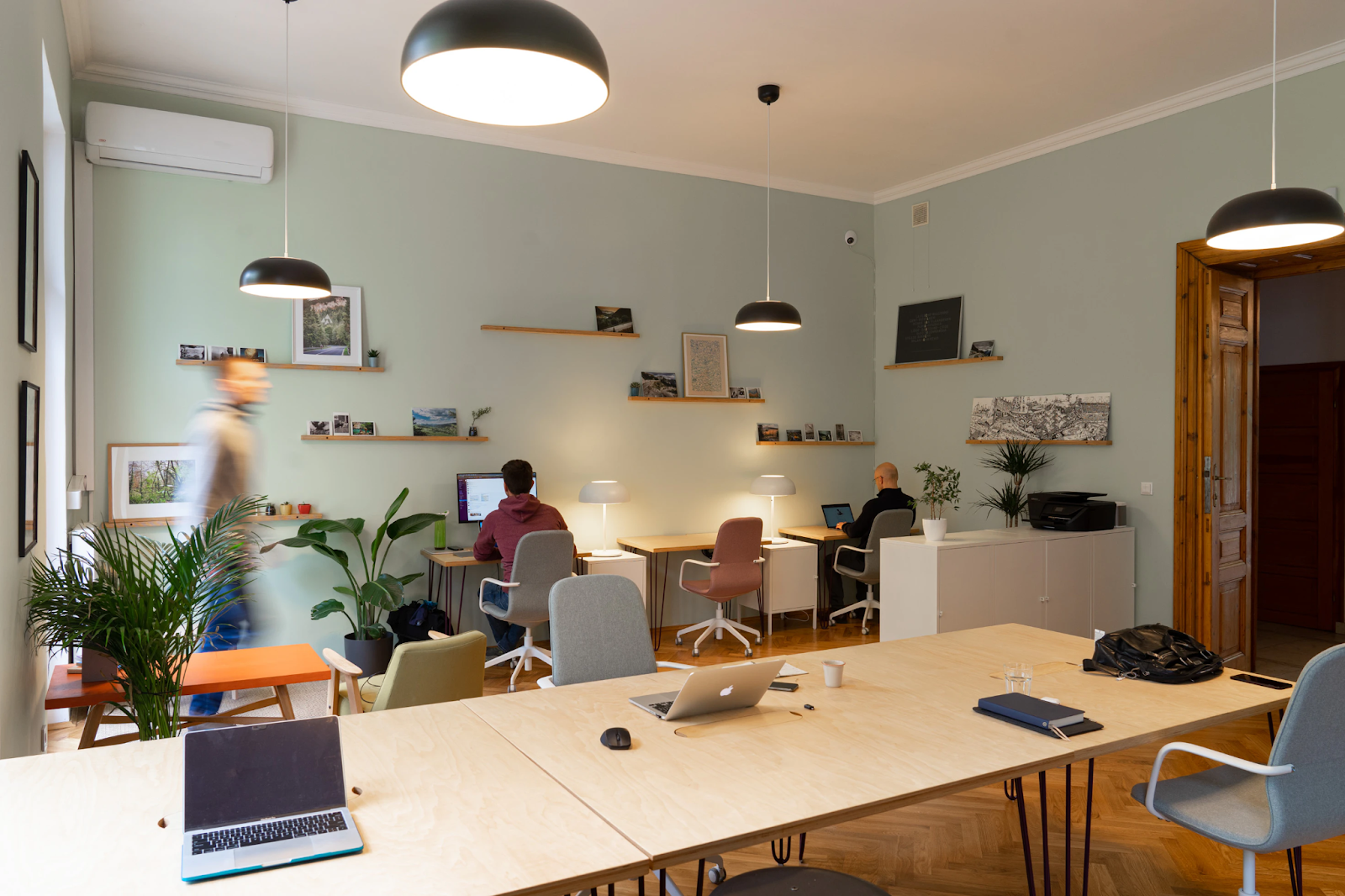
A meeting room that looks polished but feels awkward to use usually has a furniture problem, not a people problem. The best meeting room furniture ideas make discussions easier, support different meeting styles and help the room work harder across the day.

For most businesses, that means moving past the old formula of one oversized table, a row of heavy chairs and little else. Teams now switch between formal client presentations, quick internal check-ins, video calls and project workshops. Furniture needs to keep up with that reality while still reflecting your brand, budget and the way your people actually work.

Why meeting room furniture ideas matter more than ever

Meeting rooms are under pressure to do more with less space. In many offices, one room might serve as a boardroom in the morning, a recruitment interview space at midday and a collaboration zone in the afternoon. If the furniture is too rigid, the room becomes frustrating fast.

Good furniture choices improve more than appearance. They affect comfort, acoustic performance, technology access, circulation space and how confidently your business presents itself to clients and staff. In practical terms, the right setup can reduce room downtime, support hybrid meetings and help avoid a costly redesign later.

That is why furniture selection should be considered as part of the wider workplace plan, not as a final styling decision.

Start with the room’s real job

Before choosing finishes or chair styles, it helps to define what the room is meant to do most often. A leadership boardroom has different needs from a project room or a small meeting space used for one-on-ones. This sounds obvious, but many businesses try to make every room do everything, which often leads to furniture that suits nothing particularly well.

Capacity is one part of the decision, but not the whole story. A room for eight people may still need generous table depth if laptops, papers and catering are common. A smaller space used for video calls may need a tighter footprint but better cable access and camera sightlines.

Once the intended use is clear, the right furniture direction becomes easier to judge.

1. Choose a table shape that fits the conversation

The table usually sets the tone of the room. Rectangular boardroom tables still make sense for formal decision-making and client-facing spaces because they create structure and presence. They are also efficient in longer rooms where circulation is limited on the sides.

Round tables tend to feel more inclusive and work well in smaller meeting rooms where collaboration matters more than hierarchy. Boat-shaped and oval tables can offer a useful middle ground, giving a professional look while improving sightlines across the table.

The trade-off is space efficiency. A round table may feel better for discussion, but it can waste floor area in narrow rooms. A large rectangular table may maximise seating, but it can make a compact room feel cramped. The best answer depends on room dimensions, meeting style and whether technology needs to be built into the surface.

2. Invest in chairs people can sit in for an hour

Meeting chairs are often chosen for looks first and comfort second. That usually backfires. If people are shifting around 20 minutes into a meeting, concentration drops and the room feels less professional than it should.

A good meeting chair does not need full workstation-level adjustment, but it should offer proper back support, comfortable seat padding and the right seat height for the table. In boardrooms and formal meeting spaces, upholstered chairs often create a more refined feel. In high-use collaborative rooms, lighter task-style seating may be the more practical option.

This is also where durability matters. Commercial-grade fabrics, replaceable components and finishes that tolerate regular cleaning are worth considering, especially in healthcare, education and shared office environments.

3. Build in power and data from the start

One of the most useful meeting room furniture ideas is also one of the most overlooked: making it easy for people to plug in without crawling under a table. Power and data access should be planned with the furniture, not added as an afterthought.

Integrated cable trays, in-table power modules and discreet floor access points keep the room tidy and reduce setup friction. They also improve safety by limiting loose leads across walkways. For hybrid meetings, this becomes even more important because screens, speakerphones and laptops all need dependable connections.

There is a visual trade-off here. Some power modules are more visible than others, and premium concealed solutions can cost more upfront. Still, if the room is used frequently, the convenience usually justifies the investment.

4. Use modular furniture in multi-purpose rooms

Not every meeting room should be fixed in one format. If a space needs to host training, workshops, team sessions and formal meetings, modular furniture can give the room far more value.

Flip-top tables, mobile tables and lightweight stacking chairs allow staff to reconfigure the room quickly without needing a facilities team each time. This is particularly useful in growing businesses where space needs shift regularly, or in offices where every square metre has to earn its keep.

The key is choosing commercial products that still feel substantial. Some modular pieces look temporary or unstable, which can weaken the impression of the room. Good modular furniture should be easy to move but still aligned with the overall look and feel of the workplace.

5. Add soft seating where formal isn’t the goal

Not every conversation belongs around a boardroom table. Informal meeting spaces can be highly effective for one-on-ones, creative sessions and quick catch-ups, especially in workplaces trying to encourage movement and more natural collaboration.

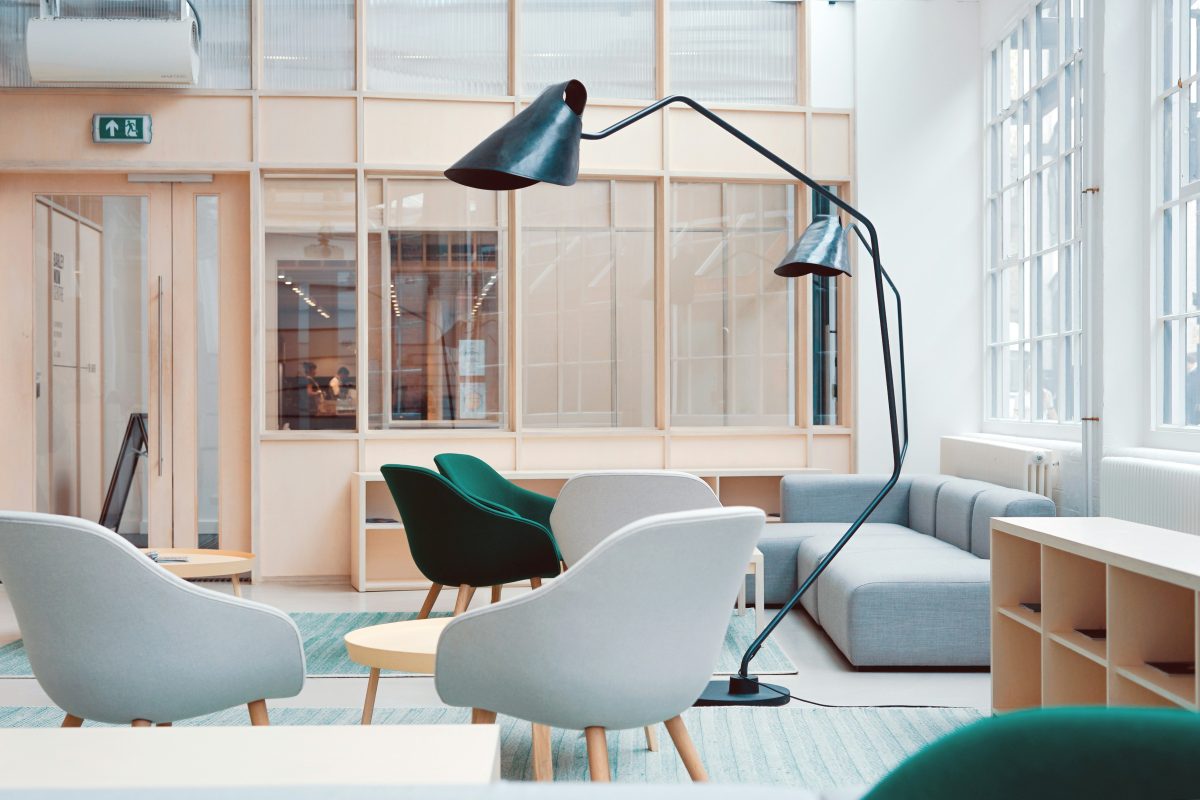
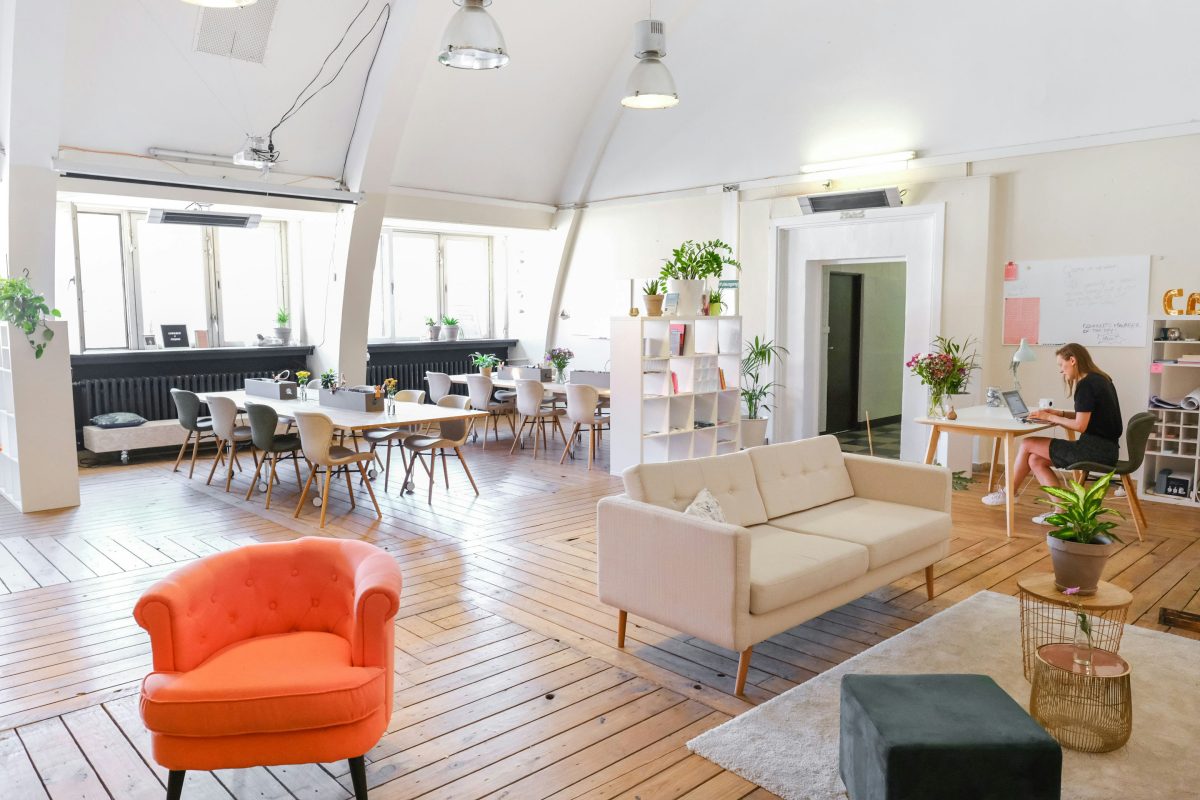
Soft seating, occasional tables and lounge-style meeting settings can help create that shift. These work well in breakout zones, quiet corners and casual meeting rooms where the goal is comfort and openness rather than formality.

That said, soft seating is not ideal for every task. If people need to take notes, use laptops for long periods or present to a screen, lounge settings can become impractical. The best approach is often to mix room types across the office rather than asking one furniture style to solve every need.

6. Think beyond the table with storage and support pieces

A well-functioning meeting room often needs more than a table and chairs. Credenzas, mobile storage, AV units and presentation furniture can make the room easier to manage and keep clutter out of sight.

A credenza, for example, can hold meeting materials, spare cables, catering items or display equipment while also giving the room a more resolved, professional finish. In client-facing spaces, these details matter. They help the room feel intentional rather than assembled from leftover pieces.

Support furniture also helps protect the main meeting space from becoming a dumping ground for boxes, stationery and tech accessories that should have a home elsewhere.

7. Match finishes to brand and workload

Furniture finishes need to look right, but they also need to hold up. Timber-look tops, laminate surfaces, powdercoated frames and commercial upholstery all offer different benefits depending on the level of use and the image you want to project.

A law firm or executive office may prefer darker finishes and a more refined boardroom feel. A creative business may lean towards lighter tones, softer textures and a less corporate look. In both cases, the room should still connect with the rest of the fit-out so it feels consistent with the broader workplace.

This is where experienced planning helps. The most attractive option on a sample board is not always the best long-term choice if it scratches easily, shows every mark or dates too quickly.

8. Leave enough space around the furniture

Even excellent furniture can fail in the wrong layout. Rooms need comfortable clearance around chairs, access to doors and enough space for screens, whiteboards and movement between seats.

A common mistake is choosing a table for maximum capacity without allowing for how people enter, sit down and move around the room. On a floor plan it may fit. In daily use it can feel tight and frustrating.

As a guide, circulation should feel natural rather than forced. If chairs hit walls, power access is blocked or people have to squeeze past each other to leave a meeting, the room is not working as well as it should.

9. Design for hybrid meetings, not just in-person ones

Hybrid work has changed what good meeting rooms need to do. Furniture now has to support camera angles, screen visibility, microphone pickup and equitable participation for people joining remotely.

That can affect table shape, seating positions and the placement of technology. A long table may work well for in-person meetings but create poor sightlines on camera. Chair backs that are too high can interfere with visual lines. Glossy table finishes can produce glare under lighting and on video.

When meeting room furniture ideas are assessed through a hybrid lens, businesses often end up with more practical, future-ready spaces. This is especially relevant for organisations across Melbourne managing client meetings, regional teams or interstate stakeholders through a mix of face-to-face and virtual sessions.

Getting the balance right

The best meeting rooms are rarely the most expensive. They are the ones where furniture, layout and technology have been thought through together. That usually means balancing appearance with comfort, flexibility with durability and budget with long-term use.

For some businesses, a formal boardroom is still the right investment. For others, a mix of agile meeting spaces will deliver better value. It depends on your team, your clients and how your workplace operates day to day.

If there is one useful principle to keep in mind, it is this: choose furniture based on how people actually meet, not how you assume they should. When the room supports the way your business works, everything from internal collaboration to client confidence tends to improve with it.

Boardroom Furniture Solutions That Work

A boardroom can quietly work against your business long before anyone says so. The table is too large for the room, chairs are comfortable for twenty minutes and not much longer, power access is awkward, and video meetings feel like an afterthought. Good boardroom furniture solutions fix those issues early, so the room supports better meetings instead of creating small frustrations every day.

For most organisations, the boardroom does more than host formal leadership meetings. It is where clients are welcomed, major decisions are made, teams present ideas, and recruitment conversations happen. That means furniture choices need to do more than look polished. They need to perform well under daily use, suit the way your people actually meet, and align with the wider look and feel of the workplace.

What effective boardroom furniture solutions need to achieve

The best boardroom spaces balance presentation with practicality. A room may need to impress external stakeholders, but if it is difficult to use, that first impression fades quickly. Furniture should support movement, visibility, acoustics, technology use and comfort, all within the limits of the room itself.

That is why one-size-fits-all thinking usually falls short. A growing professional services firm will use a boardroom differently from a school, healthcare provider or government team. Some need a highly formal setting for executive discussions. Others need a multi-purpose room that shifts between leadership meetings, team workshops and hybrid calls. The right solution depends on how often the room is used, who uses it, and how much flexibility is required.

In practice, this means starting with function before finish. Timber veneer, premium upholstery and custom joinery can all add value, but only once the basics are right. Room dimensions, seating numbers, access points and technology integration should lead the conversation.

Start with the table, but do not stop there

The boardroom table tends to get the most attention, and for good reason. It anchors the room visually and determines how people gather, communicate and use technology. But the wrong table can create problems that are hard to solve later.

Size is the first issue. Businesses often choose the largest table they can fit, assuming more seats offer better value. In reality, an oversized table can make the room feel cramped, limit circulation and reduce comfort. People need enough space to pull out chairs, move around the room and enter or leave without disrupting a meeting.

Shape matters as well. Rectangular tables suit many traditional boardrooms and work well for formal structures with a clear head position. Boat-shaped options can improve sightlines and create a more balanced feel across the room. Round or oval tables are useful where collaboration matters more than hierarchy, although they are not always ideal in narrower rooms. There is no universal best choice here. It depends on room proportions, the purpose of the space and the tone the business wants to set.

Surface finish also deserves more consideration than it usually gets. Gloss surfaces may look striking initially, but can create glare under lighting and show fingerprints quickly. Matte finishes are often easier to maintain and more comfortable during long meetings. Durability is another factor. In busy commercial settings, the table must withstand laptops, coffee cups, cables and frequent use without deteriorating too soon.

Boardroom seating affects more than comfort

Chairs are often where budget pressure shows up, but this is rarely the place to cut corners. Boardroom seating influences posture, concentration and the overall experience of the room. If meetings regularly run longer than half an hour, comfort becomes a productivity issue, not just a preference.

The right chair should support a professional appearance while still being practical for real use. Upholstered executive seating can create a premium feel, but the design needs to match the frequency and duration of meetings. In some environments, a slimline visitor chair is enough. In others, better ergonomic support is worthwhile because the room doubles as a workspace for extended sessions, presentations or interviews.

Mobility is another trade-off. Castor chairs make movement easier and can be useful in flexible meeting environments, but they may feel too casual for more formal boardrooms. Fixed-base seating can look cleaner and more grounded, although it reduces adaptability. Armrests, seat width and back height should also be considered carefully, especially when trying to accommodate a wide range of users.

Consistency matters here too. A mismatched set of chairs can make even a well-designed room feel pieced together. A coordinated seating plan helps the boardroom feel intentional and credible, which matters when clients, partners or board members are in the room.

Boardroom furniture solutions should support technology

A boardroom that looks impressive but handles technology poorly will frustrate people almost immediately. Hybrid meetings are now standard in many workplaces, which means furniture needs to work with screens, cameras, microphones, charging and cable management.

This does not always require highly complex custom work, but it does require planning. Power access should be easy to reach without trailing cords across walkways. Data points and cable routing need to be integrated cleanly into the table or floor plan. Screen placement should support visibility from every seat, not just the middle of the room.

In many cases, the furniture layout should be designed alongside audiovisual requirements rather than after them. This is where businesses often save time and cost by taking a more coordinated approach. Instead of selecting furniture first and trying to retrofit technology later, it is better to plan the full room as one environment.

That becomes even more relevant during a wider office refurbishment or fit-out. If walls, flooring, lighting and joinery are already being considered, the boardroom should not be treated as a separate furniture order. The result is usually better when every element is planned together.

Style should reflect the business, not just current trends

Boardroom design carries a branding function whether businesses intend it or not. Clients and staff make assumptions about professionalism, stability and culture based on what the room communicates. Furniture contributes heavily to that impression.

That does not mean every boardroom needs to be highly formal. For some organisations, a warm, contemporary room with softer finishes and less conventional furniture better reflects their culture. For others, a more traditional executive setting remains the right fit. Neither approach is automatically better. The stronger choice is the one that feels aligned with the business itself.

Material selection plays a major role here. Timber can create warmth and authority. Laminate offers durability and value. Metal detailing can sharpen the look of a contemporary space. Upholstery choices influence both acoustics and tone. Even colour matters more than people expect. Dark finishes can feel established and corporate, while lighter palettes often make smaller rooms feel more open and approachable.

The key is restraint. A boardroom should feel considered, not overdesigned. Most businesses benefit more from a timeless room that ages well than from a highly stylised one that dates quickly.

Custom versus standard furniture

Not every boardroom needs a custom-built solution. Standard furniture ranges can work very well, especially where the room is straightforward, timelines are tight or budgets need to stay disciplined. Well-selected standard pieces can still create a polished result if they are sized correctly and coordinated properly.

Custom furniture becomes more valuable when the space has unusual dimensions, specific technology requirements or a strong brand brief. A custom table can solve seating capacity issues, integrate power cleanly and make better use of the room footprint. Bespoke joinery can also improve storage, presentation and visual consistency.

The real question is where customisation adds practical value. If a standard option performs just as well, it may be the smarter investment. If custom work removes compromises that would affect the room every day, the additional spend can make sense.

Why procurement and installation matter as much as selection

Even strong furniture choices can be undermined by poor delivery. Delays, inconsistent product quality, unclear coordination and awkward installation can create unnecessary disruption, especially when a boardroom needs to be operational by a set date.

This is where experience matters. Businesses are often not just buying a table and chairs. They are trying to solve timing, layout, access, landlord constraints and day-to-day disruption all at once. A coordinated project approach makes that easier because the furniture is treated as part of a working office environment, not an isolated purchase.

For organisations across Melbourne managing a refurbishment, relocation or workplace upgrade, that joined-up process can remove a lot of pressure internally. It gives decision-makers clearer accountability, more reliable timelines and fewer gaps between design intent and final delivery.

The best boardroom is rarely the most expensive one. It is the one that fits the room properly, supports the way people meet, reflects the business with confidence and continues to perform well long after the installation team has left. When boardroom furniture solutions are chosen with that in mind, the space starts doing what it should have done all along – helping people focus on the meeting, not the room.

Sit Stand Desks for Offices That Work

A desk that nobody adjusts is just an expensive fixed-height desk with extra parts. That is the real test when businesses start looking at sit stand desks for offices – not whether they look modern in a showroom, but whether people will actually use them well, every day, without slowing down the work around them.

For office managers, operations leaders and business owners, that makes the decision more practical than trendy. A sit stand setup can support comfort, movement and flexibility across a team, but only if it suits the way your workplace runs. The right choice depends on your people, your floor plan, your technology, your budget and the standard of finish you expect across the office.

Why sit stand desks for offices keep coming up

Most workplaces are trying to solve more than one problem at once. They want better ergonomics, stronger staff experience, efficient use of space and furniture that will last through team changes. Sit stand desks appeal because they touch all of those areas.

At a user level, the benefit is straightforward. People can change posture during the day instead of staying fixed in one position for hours. That can help reduce the stiffness that often builds up through the back, neck and shoulders, especially in desk-heavy roles. For some teams, it also creates a stronger sense of autonomy. Staff can set their workstation to suit their height and preferences rather than trying to adapt themselves to a desk that never changes.

At a workplace level, these desks are often a good fit for offices moving towards more flexible, employee-focused environments. They signal that comfort and wellbeing have been considered as part of the fit-out, not tacked on later. That matters for staff retention and workplace perception, but it also matters operationally. If you are upgrading furniture anyway, it makes sense to assess whether adjustability will add long-term value.

Not every office needs the same desk

This is where many furniture decisions become harder than they first appear. Two offices can both want sit stand desks and still need completely different solutions.

A finance team working with dual screens, docking stations and paper files will usually need a larger, more stable workstation with careful cable management. A sales team in a lighter-touch setup may be better suited to a more compact desk footprint. In leadership areas or client-facing spaces, aesthetics may carry more weight because the furniture has to support the overall look and feel of the office, not just the function.

There is also a difference between assigning sit stand desks to every employee and introducing them selectively. For some businesses, a full rollout makes sense because consistency matters and everyone performs similar work. In other cases, it is more practical to prioritise staff with specific ergonomic needs, high screen time or task profiles that benefit most from adjustability.

That is why the best decision is rarely about choosing the most feature-rich desk. It is about matching the specification to the real conditions of the workplace.

What matters when choosing sit stand desks for offices

Height range is one of the first things to check. A desk should comfortably accommodate the people who will use it, both sitting and standing. If the adjustment range is too limited, some users will never achieve a proper ergonomic position.

Stability matters just as much. When desks are raised, lower-quality frames can wobble, particularly with dual monitors or monitor arms. That movement is distracting and often leads to users abandoning the standing function altogether. In a busy office, reliability is not a bonus – it is essential.

Motor quality and noise levels are also worth attention. In open-plan environments, desks that operate loudly can become an irritation very quickly. Smooth, quiet adjustment makes a noticeable difference to daily use, especially across larger teams.

Then there is cable management, which is often underestimated. Sit stand desks move, so the power and data setup has to move cleanly with them. If cables dangle, snag or clutter the underside of the desk, the workstation will never feel tidy or fully resolved. This is particularly important in well-designed offices where visual consistency and safety both matter.

Desktop size and shape should reflect actual work patterns. A desk that looks generous on plan can feel cramped once screens, laptops, keyboards and personal items are in place. On the other hand, oversized desks can waste valuable floor space and reduce circulation if the office footprint is tight.

The trade-offs are real

Sit stand desks are not automatically the right choice in every situation. They usually cost more than fixed-height desks, and across a large office the budget difference can be significant. That does not mean they are poor value. It simply means the return needs to be considered properly.

There is also a behavioural side to the decision. Some staff will embrace the option immediately. Others may barely use it without guidance or encouragement. If the desks are introduced as part of a broader workplace improvement strategy, with some thought given to ergonomic education and setup support, adoption is generally better. If they are installed without any context, usage can be patchy.

Space planning can become more complex too. Movement zones, adjacent furniture, privacy screens and monitor arms all need to work together. A sit stand desk does not exist in isolation. It has to integrate with the workstation setting around it.

None of these issues are deal-breakers. They just reinforce the point that furniture should be selected as part of the workplace as a whole, not as a stand-alone product decision.

Integration matters more than the desk itself

One of the most common mistakes in office upgrades is treating furniture selection as the final step. In reality, desk performance depends heavily on how early it is considered in the planning process.

If sit stand desks are part of a refurbishment, relocation or new fit-out, they should be assessed alongside power access, storage, acoustic treatments, screen placement and circulation. That helps avoid compromises later, such as awkward cable runs, cramped leg zones or workstation clusters that feel too tight once desks are raised.

This is especially relevant in commercial environments where consistency, compliance and delivery timing matter. A desk may be suitable on its own, but still create challenges when multiplied across 30, 50 or 100 workpoints. Experienced planning reduces those risks because the furniture, services and layout are being resolved together.

For businesses managing a broader workplace change, there is value in having one team coordinate these details rather than splitting responsibility between multiple suppliers. Integrity Office often works with clients this way, helping ensure the furniture choice supports the fit-out rather than becoming a separate problem to solve mid-project.

Where sit stand desks make the most sense

They tend to work well in professional services, corporate offices, government settings and administrative environments where staff spend long periods at screens. They are also useful in workplaces trying to standardise ergonomic support across teams with varied heights and roles.

They can be particularly effective in hybrid offices. When people are not in the office every day, the workstation needs to be quick to adjust and comfortable to use. A desk that suits multiple users can make shared environments feel more practical and considered.

That said, some workplaces may be better served by a mixed approach. Fixed-height desks in low-use areas, executive spaces or touchdown zones might still be perfectly appropriate, while sit stand desks are reserved for core workstations. Good planning is not about applying one answer everywhere. It is about allocating budget where it has the strongest impact.

Getting the rollout right

If you are considering sit stand desks, start with the operational questions rather than the catalogue. Who will use them? What equipment sits on each desk? How much space is available? What level of finish is expected? Are you replacing furniture only, or coordinating with a larger office project?

A pilot area can be useful for some businesses, particularly if there is uncertainty around adoption or specification. It allows you to test desk size, monitor setup, storage needs and user behaviour before committing to a wider rollout. In other cases, especially where an office fit-out is already being planned, it is more efficient to decide early and integrate the desks from the outset.

It is also worth thinking about after-installation support. Even a well-chosen desk will underperform if staff are unsure how to set it up correctly. Simple guidance around sitting height, standing height, screen position and movement through the day can improve both comfort and uptake.

The best outcomes usually come from a balance of product quality, practical planning and realistic expectations. Sit stand desks can add genuine value to an office, but they are most effective when selected with the same care as the rest of the workspace.

A well-designed office should make good work easier. If a sit stand desk helps people stay comfortable, focused and adaptable through the day, it is doing far more than changing height – it is supporting the way your business operates.

Ergonomic Office Chairs Australia: What Matters

A chair that looks good in a showroom can become a daily complaint once it is rolled out across a real office. That is why the ergonomic office chairs Australian businesses choose need to do more than tick a style box. They need to support different bodies, suit the way teams actually work, and stand up to years of use without creating a maintenance headache.

For office managers, HR teams and operations leaders, seating decisions rarely sit in isolation. They affect wellbeing, productivity, space planning, budgets and, in some settings, workplace health and safety obligations. A cheaper chair can look like a saving on paper, but if it wears quickly, causes discomfort or leads to replacement cycles every couple of years, the real cost shows up elsewhere.

Why ergonomic office chairs in Australia need a practical lens

The Australian market is broad. There are task chairs for high-volume workstations, executive styles for private offices, visitor seating with limited adjustment, and specialist options for intensive use environments. The challenge is not a lack of choice. It is sorting through features that matter and filtering out those that add cost without adding much value.

In most workplaces, the best result comes from matching the chair to the task, not choosing one model for every space because it simplifies procurement. A finance team working long hours at fixed desks has different needs from a collaborative project area where people move in and out throughout the day. The right chair in one setting may be the wrong investment in another.

That is also why a trial or mock-up phase often pays off. On paper, two chairs can seem nearly identical. In use, one may offer better lumbar support, more intuitive controls or a seat shape that suits a wider range of staff.

What to look for in ergonomic office chairs Australia-wide

Adjustment is the first place to look, but not every adjustment carries equal value. Seat height is essential. Back support that can be tuned to the user is equally important. A quality ergonomic chair should make it easy for staff to sit with feet supported, hips level and the lower back properly supported without fiddling with awkward levers.

Seat depth matters more than many buyers expect. If the seat is too long, shorter users end up perching forward and losing back support. If it is too short, taller users can feel under-supported through the thighs. The more diverse your team, the more important this becomes.

Armrests are another area where trade-offs matter. Adjustable armrests can reduce shoulder strain for some users, particularly those who spend long periods keyboarding. But in tightly planned workstation layouts, oversized armrests can interfere with desk access. In some environments, simple height-adjustable arms are more practical than highly engineered multi-directional ones.

The mechanism also deserves attention. Sync and tilt functions can support movement during the day, which is generally better than holding one static position for hours. But the controls need to be intuitive. If staff do not understand how to adjust the chair, those features may never be used.

Breathable mesh backs are popular for good reason, particularly in warmer offices or fit-outs with dense occupancy. They can improve airflow and create a lighter visual feel. That said, upholstered backs may provide a different kind of comfort and can sometimes align better with a more formal interior. There is no universal winner here. It depends on the workspace and the people using it.

The business case for better seating

Ergonomic seating is often framed as a comfort issue, but business decision-makers usually need a broader lens. Staff who are distracted by discomfort are not working at their best. Chairs that cannot be adjusted for different users are a poor fit for hybrid environments, hot-desking arrangements and growing teams. Seating that breaks down early creates disruption as well as cost.

There is also a culture piece. Employees notice when workplaces are fitted out with furniture that feels considered rather than purely economical. A well-selected chair signals that the business has thought seriously about daily working conditions. That matters in staff retention, onboarding and the overall experience of coming into the office.

For organisations investing in a new fit-out or refurbishment, seating should be assessed as part of the wider workplace strategy. Desk height, monitor setup, storage placement and circulation space all influence whether a chair performs properly. Good ergonomic outcomes come from the whole workstation, not from one product chosen in isolation.

Common buying mistakes

One of the biggest mistakes is buying purely on unit price. That can be understandable when budgets are under pressure, especially across a large office. But low-cost seating often comes with compromises in foam density, mechanism quality, fabric durability and warranty coverage. Those issues are not always obvious at the point of purchase.

Another mistake is choosing based on the preferences of a small decision group rather than the broader user base. A senior manager may love a heavily padded executive chair, but that does not mean it is the right standard for a team of 40 working at screens all day.

A third common issue is underestimating how hard commercial environments are on furniture. In a busy office, chairs are adjusted constantly, moved between desks, leaned on, wheeled across different floor finishes and used by people of different sizes. Residential-grade or light-duty products often do not last in that setting.

Finally, some businesses buy chairs late in the project, after desks and floorplans are already locked in. That can create avoidable issues with desk clearance, movement zones and consistency across the workplace. Seating choices are easier and usually more effective when made alongside the wider furniture plan.

How to assess ergonomic office chairs for your workplace

Start with how the space is actually used. If most staff are desk-based for long stretches, invest in stronger ergonomic performance at the workstation level. If the office uses a mix of touchdown spaces, meeting rooms and shared desks, a more layered furniture approach may make sense.

Think about user range. In many offices, one chair may need to suit multiple people across a week. That makes simple adjustment, broad fit and durable mechanisms especially important. A chair that only feels right for a narrow band of users can create frustration quickly.

Look closely at warranty terms, lead times and after-sales support. These are practical details, but they matter. If a component fails, can it be repaired? If you need to add matching chairs later, will the product still be available? A dependable furniture programme is not just about the initial order.

It is also worth considering the visual impact. Chairs occupy a lot of visual space in an office. They should support the brand and feel of the environment without overpowering it. In a client-facing workplace, that balance between ergonomic function and presentation becomes even more important.

For many organisations, the best outcomes come from working with a supplier or fit-out partner who can assess the space, the workstyles and the budget together. That avoids the common problem of treating seating as a disconnected purchase. Integrity Office often sees stronger long-term value when furniture selection is integrated into the wider workplace plan rather than left as a final procurement task.

When one chair is enough – and when it is not

There are situations where standardising on one ergonomic chair works well. If your office has mostly uniform workstations, a relatively consistent staff profile and a clear need for procurement simplicity, one core chair can be efficient and easy to maintain.

But many businesses are better served by a small family of seating options. A primary task chair for focused desk work, a lighter chair for shared areas, and a visitor or meeting chair for shorter use periods can produce a better balance of comfort, cost and design consistency. It may seem more complex initially, yet it often leads to a more functional office.

The key is not to overcomplicate it. Most workplaces do not need dozens of seating types. They do need a thoughtful selection process and a clear understanding of what each area is meant to support.

A good office chair does its job quietly. It supports people without demanding attention, fits the space without fighting it, and keeps performing long after the fit-out is finished. That is usually the right benchmark – not the flashiest option in the catalogue, but the one that makes work easier every day.

Office Furniture Supply Australia: What Matters

A boardroom table that arrives late can stall a move. Chairs that look good but fail after six months become an avoidable cost. Workstations that do not suit your team can quietly affect focus, comfort and space planning every day after installation. That is why office furniture supply Australia businesses choose should be treated as an operational decision, not a last-minute purchase.

For many organisations, furniture is still approached as a catalogue exercise. Pick a desk, choose a chair, confirm quantities and move on. In reality, the right result depends on how people work, how quickly the space needs to be delivered, what the building allows, and whether the supplier can coordinate with the broader fit-out, refurbishment or relocation. Price matters, but it is rarely the only factor that shapes value.

What good office furniture supply in Australia really involves

At a basic level, office furniture supply in Australia means sourcing desks, seating, storage, meeting room furniture, reception pieces and breakout settings. In practice, a good supply partner does far more than place an order.

They help you assess what should be retained, replaced or reconfigured. They understand lead times, building access, installation sequencing and compliance requirements. They can also advise on finishes, dimensions and product selections that suit the way your workplace actually operates. That matters whether you are fitting out a single suite or refreshing an established office in stages.

This is where many projects either stay on track or start to drift. If furniture is treated separately from layout, power, joinery, staff movement and programme timing, small issues stack up quickly. A reception desk might not align with the final floorplan. Storage might clash with circulation space. Delivery could be booked before the site is ready. None of these problems are dramatic on their own, but together they create cost, delay and frustration.

Why buying on unit price alone usually costs more

Procurement teams and finance leaders are right to care about budget. The mistake is assuming the cheapest unit price will produce the best overall outcome. It often does not.

A lower-cost chair may need replacing sooner, offer limited ergonomic adjustment or generate more staff complaints over time. A desk range with inconsistent availability can create headaches when teams grow and matching products are no longer available. Imported items with attractive upfront pricing may also come with longer lead times, limited after-sales support or finish variations that are hard to resolve once installed.

There is also the hidden cost of project friction. If your furniture supplier cannot coordinate access times, manage installers properly or respond quickly when issues arise, your internal team ends up doing the chasing. That administrative burden is rarely captured in a quote, but it affects the real cost of delivery.

Value comes from the full picture – suitability, durability, service, coordination and lifecycle performance. For busy organisations, confidence and accountability are often worth more than a narrow saving on paper.

Matching furniture to how your people work

The most effective office environments are not furnished by category alone. They are furnished around work patterns. A team that spends most of the day on calls needs something different from a team focused on heads-down project work. A client-facing business will prioritise reception and meeting areas differently from an internal operations hub.

That is why furniture selection should start with practical questions. How many people are in the office on a typical day? Do teams need fixed workstations, shared desks or a mix? Is storage still necessary, or would reducing cabinets free up more useful floor area? Are meeting spaces used for formal presentations, quick stand-ups or hybrid video calls?

There is rarely a one-size-fits-all answer. Open-plan workstations can improve density and collaboration, but they may also increase noise if acoustic planning is weak. Agile furniture can support flexibility, but only if staff understand how to use the space well. Executive furniture can reinforce professionalism, although it should still sit comfortably within the broader workplace style and budget.

A dependable supplier will help balance these trade-offs rather than push a generic package.

Office furniture supply Australia projects often get wrong

One of the most common issues is ordering too early or too late. Too early, and products may sit in storage while site works shift around them. Too late, and lead times can force rushed compromises. Timing needs to align with the project programme, not just the purchasing cycle.

Another issue is underestimating installation. Furniture delivery is not the same as furniture readiness. Access lifts, loading zones, base-building rules, waste removal and staged installation all need planning. In tenanted buildings, especially in busy metro locations, these details can affect whether a project finishes smoothly or runs into avoidable delays.

The third issue is treating furniture like a standalone line item. In reality, furniture sits inside a larger workplace system. It needs to work with floor finishes, data locations, staff flow, branding, joinery and future expansion. When those decisions are made in isolation, the office can feel patched together, even when each individual item is acceptable.

What to look for in an office furniture supply Australia partner

Experience matters, but relevant experience matters more. A supplier who understands commercial projects will ask different questions from one focused mainly on residential or ad hoc retail sales. They will want to know about your programme, approval process, workplace objectives and site constraints.

Look for clarity around scope. Are they supplying only loose furniture, or can they also handle workstations, partitions, custom joinery and installation? Can they support a staged rollout if your business needs to remain operational during the change? If defects or adjustments arise after handover, who owns that process?

Communication is another strong indicator. Good suppliers are direct about lead times, budget ranges and product suitability. They do not overpromise to win the job and explain the trade-offs when there is more than one viable approach. That level of honesty is especially valuable for office managers, operations leads and business owners trying to make decisions without slowing down the project.

For many businesses, the best outcome comes from working with a partner that can integrate furniture into the broader fit-out or refurbishment process. That reduces handovers, simplifies responsibility and gives you a clearer path from design through to completion. It is one reason companies turn to providers such as Integrity Office when they want furniture supply tied to practical project delivery, not treated as a disconnected transaction.

New furniture, reconfiguration or a mix?

Not every workplace needs a full replacement. In some cases, reusing selected furniture makes financial and operational sense. Existing storage, boardroom tables or private office settings may still be fit for purpose, particularly if they can be refreshed or incorporated into a new layout.

The key is being realistic. If older items undermine the look, function or ergonomics of the new space, holding onto them may save money upfront but weaken the overall result. On the other hand, replacing everything by default can be wasteful if quality pieces can be retained.

A practical review usually lands somewhere in the middle. Keep what still performs well, replace what no longer supports the workplace, and make sure the final mix feels intentional rather than improvised.

How local service changes the outcome

Furniture can be ordered from almost anywhere. Reliable service is harder to source from a distance. When your supplier understands local building conditions, delivery logistics and approval processes, issues are usually resolved faster and with less disruption.

That is particularly relevant for businesses managing a move, expansion or refurbishment on a tight programme. If something arrives damaged, dimensions need adjusting, or staging changes at short notice, local support is often the difference between a manageable hiccup and a project delay.

This does not mean every product must be locally manufactured. It means your supply partner should have the capability to manage local delivery properly and stand behind what they provide.

The best furniture decision is the one that supports the whole workplace

An office is not improved by furniture alone. It is improved when furniture supports the way the space needs to function – for staff, leaders, visitors and day-to-day operations. That may sound straightforward, but it requires more than picking products from a list.

It requires planning, honest advice and a delivery process that respects budget, timing and business continuity. For decision-makers under pressure to get the project right, that is usually the real test of office furniture supply Australia providers.

If you are weighing options, the most useful question is not simply what can be supplied. It is whether the supplier can help create a workplace that works properly once everyone walks through the door.

Custom Office Joinery Solutions That Work

A cramped utility area, a reception desk that never quite worked, meeting rooms with nowhere to store equipment – these are the problems that often push businesses to look at custom office joinery solutions. Not because joinery is a trend, but because standard furniture and off-the-shelf storage can only do so much in a real workplace.

When an office has to support people, technology, brand presentation and day-to-day operations at the same time, every square metre matters. Joinery gives you the chance to use that space properly. Done well, it improves function first, while also lifting the overall look and feel of the workplace.

Why custom office joinery solutions matter

In most commercial fit-outs, the pressure points are predictable. Teams need more storage but do not want the space to feel crowded. Reception needs to make a strong first impression but still handle practical tasks. Breakout areas need to be welcoming, yet durable enough for daily use. Generic products rarely solve all of that cleanly.

Custom office joinery solutions allow each area to be designed around its actual purpose. That might mean integrated storage in a boardroom, lockers built to suit team size, printer cupboards that reduce visual clutter, or a kitchen that supports higher staff numbers without creating bottlenecks.

This is where businesses often see the biggest value. Good joinery is not only about appearance. It supports workflow, reduces wasted space and helps an office feel organised rather than improvised.

Where joinery has the biggest impact in an office

Reception is usually the most visible example. A custom reception desk can house cables, screens, storage and accessible work surfaces while still reflecting the business’s brand. That balance matters. A front desk should look polished, but it also has to work for the people using it every day.

Storage is another major area. In many offices, storage gets treated as an afterthought, then ends up scattered across the floor in mismatched cabinets. Purpose-built joinery creates a more efficient result because it can be designed around exact file sizes, equipment requirements and clearance needs. It can also be incorporated into walls or under-used corners that would otherwise be wasted.

Kitchens and staff breakout zones benefit too. These spaces often carry more load than expected, especially in hybrid workplaces where staff gather on anchor days. Joinery can help these areas cope with higher use through better layouts, more durable finishes and smarter appliance integration.

Meeting rooms, collaboration areas and utility zones are also strong candidates. AV equipment, whiteboards, display shelves, bag storage and concealed services can all be integrated into joinery so the room works harder without looking cluttered.

Custom office joinery solutions and workplace branding

Office design says a lot about a business before anyone speaks. For clients, visitors and prospective staff, the environment shapes early impressions quickly. Joinery plays a bigger role in that than many decision-makers expect.

Materials, colours, profiles and detailing can all be aligned with a company’s brand and culture. A professional services firm may want a refined, understated finish. A creative team may prefer warmer materials and more open display elements. A healthcare or education environment may need a cleaner, more durable specification with ease of maintenance front of mind.

The key is restraint. Branding through joinery works best when it feels considered, not forced. A reception wall, banquette seating, storage unit or kitchenette can reflect brand identity without becoming dated or overly decorative. That matters because joinery is a long-term investment. It needs to look right now and still perform well years later.

The practical side: function, compliance and durability

This is where experience matters. Joinery decisions affect more than layout. They can influence accessibility, circulation, cleaning, safety and maintenance.

For example, a beautiful built-in unit that blocks movement or creates cleaning issues will quickly become a frustration. Likewise, a kitchen with the wrong bench heights or poor appliance placement may look fine in drawings but fail in day-to-day use. In commercial environments, details such as kickboards, edge finishes, hardware quality and material durability all have operational consequences.

There is also the issue of compliance and coordination. Joinery often intersects with electrical, data, plumbing, fire requirements and landlord expectations. If those elements are not planned together, the result can be delays, variations and compromises during construction.

That is why businesses usually get better outcomes when joinery is considered early, as part of the broader fit-out strategy rather than a late addition. It allows the design, budget and build process to stay aligned.

What to consider before you commit

The first question is not what style you want. It is what problem needs solving.

If storage is the issue, define what actually needs to be stored, who needs access and how often it is used. If reception is the focus, consider both client experience and staff functionality. If the office is short on space, look at whether joinery can combine several uses in one footprint, such as seating with storage, or partitioning with integrated shelving.

Budget should also be looked at realistically. Custom joinery generally costs more upfront than standard furniture, but that does not always mean it is the more expensive option over time. When it replaces multiple products, improves space use and lasts longer, the value equation can shift. Still, there are trade-offs. Not every area needs a bespoke solution, and in some cases a combination of custom joinery and quality furniture is the smarter spend.

Lead times are worth discussing early as well. Bespoke joinery involves design development, shop drawings, manufacture and installation. If your project timeline is tight, those steps need to be coordinated carefully with the rest of the works.

The difference between good joinery and expensive joinery

Higher cost does not automatically mean better performance. Good joinery starts with understanding how the office operates, then translating that into practical design and build decisions.

That includes selecting finishes suited to commercial use, making sure dimensions genuinely work, and avoiding unnecessary complexity. It also means thinking about how people will use the space when the office is busy, not just how it looks on handover day.

Sometimes the best solution is simple. A well-designed storage wall with the right mix of open shelving, lockable cupboards and concealed services may deliver more value than a highly detailed feature piece. In other settings, a more prominent design statement makes sense, particularly in client-facing zones. It depends on the purpose of the area and the priorities of the business.

Why integrated delivery usually gets a better result

Joinery sits at the intersection of design, construction and daily operations, so it benefits from clear accountability. When consultants, trades and suppliers are all working separately, details can slip through the cracks. Measurements change, service points move and responsibility becomes blurred.

An integrated project approach reduces that risk. When the design intent, pricing, approvals, manufacture and installation are coordinated through one delivery team, businesses tend to get a cleaner process and fewer surprises. That is particularly valuable in live workplaces where disruption needs to be controlled and decisions need to move quickly.

For organisations planning a refurbishment, relocation or full fit-out, this matters as much as the joinery itself. The real value is not only in having a custom reception desk or storage wall. It is in knowing those elements will be delivered on time, on budget and in a way that supports the wider project.

Integrity Office sees this regularly across office upgrades and fit-outs – the strongest results come from joinery that is designed with the whole workplace in mind, not treated as a standalone item.

Making the space work harder

The best offices are rarely the ones with the most expensive finishes. They are the ones where people can move easily, find what they need, meet without friction and focus on their work. Joinery contributes to that in a quiet but important way.

If your office has awkward corners, storage pressure, underperforming shared spaces or a reception area that no longer reflects the business, custom joinery is worth considering. Not as decoration, but as a practical tool for making the workspace more useful, more cohesive and easier to manage over the long term.

A well-planned office should feel considered in all the places people use every day. That is often where custom joinery proves its value most clearly.

Choosing a Workplace Interior Design Company

A workplace project usually starts with a practical problem, not a design trend. Your team has outgrown the space, the office no longer reflects the business, staff need better meeting areas, or the layout is making everyday work harder than it should be. That is where the right workplace interior design company makes a real difference – not by adding unnecessary complexity, but by turning business needs into a workspace that performs.

For most organisations, this decision is not just about finishes, furniture or first impressions. It is about choosing a partner that can understand how your people work, protect your budget, manage risk and deliver an outcome with minimal disruption. Good design matters, but in a commercial setting, delivery matters just as much.

What a workplace interior design company should actually do

A capable workplace interior design company should offer more than concepts and mood boards. In a business environment, design has to connect directly to function. That means understanding headcount, workflows, privacy requirements, collaboration styles, storage needs, technology integration and future growth.

The strongest providers look at the full picture. They consider how reception shapes first impressions, how meeting rooms support decision-making, how breakout areas encourage informal collaboration, and how workstations affect concentration and comfort. They also understand that every square metre has a cost, so the layout needs to work hard.

This is where many businesses run into trouble. They engage a designer for the visual side, then separately manage builders, trades, furniture suppliers, building rules and landlord requirements. That can create delays, budget drift and confusion over who is responsible when something changes. A more effective approach is to work with a team that can carry the project from planning through to completion.

Why delivery matters as much as design

On paper, many workplace concepts look impressive. The real test is whether they can be delivered on time, on budget and without avoidable disruption to the business.

This is particularly important for office managers, operations leaders and finance decision-makers. They are often balancing multiple priorities at once. They need a workplace partner who can give clear timelines, realistic pricing and straightforward communication. If the project affects day-to-day operations, they also need confidence that staging, access, safety and logistics are being managed properly.

An experienced design and fit-out partner will usually identify issues early. They can flag compliance requirements, advise on practical materials, coordinate consultants and contractors, and help avoid expensive late-stage changes. That experience is often the difference between a project that runs smoothly and one that becomes a drain on internal time.

How to assess a workplace interior design company

The first question to ask is not whether the company can create an attractive space. Most can. The better question is whether they can create an attractive space that suits your business and deliver it with accountability.

Look closely at how they approach briefing. A reliable partner will ask about your people, your brand, your operations and your future plans before discussing finishes. They should be interested in why the project is happening, what problems need to be solved and what success looks like after handover.

It is also worth looking at the breadth of their service. If a company only handles design, you may still need to coordinate builders, joinery, furniture, relocation planning and maintenance separately. That can work for some organisations, but it does increase the workload on your side. If your priority is simplicity and control, an end-to-end model is often the better fit.

Past delivery matters too. Experience across sectors such as commercial offices, education, healthcare and government can be valuable because each environment has different pressures. A company that has delivered across varied settings is more likely to understand compliance, stakeholder management and the need for practical, durable outcomes.

Budget control is not separate from design

One of the biggest misconceptions in workplace projects is that design happens first and budget gets worked out later. In reality, the best commercial interiors are designed with budget in mind from the start.

That does not mean aiming for the cheapest option. It means making informed decisions early about where investment will have the greatest impact. For one business, that might be acoustic treatment and meeting room upgrades. For another, it could be ergonomic workstations, custom joinery or a more professional client-facing reception area.

A dependable workplace interior design company should be transparent about costs and trade-offs. If a finish looks impressive but is difficult to maintain, that should be discussed. If a layout idea reduces usable floor space, that needs to be weighed carefully. If a bespoke design element will push the project over budget, there should be alternatives.

Fixed-price delivery can be especially valuable here. It gives decision-makers more certainty and reduces the risk of unwelcome surprises as the project moves forward. That level of clarity is often what clients value most, particularly when reporting internally to leadership teams or finance stakeholders.

Good workplace design should reflect culture, not just style

A workplace says a lot about a business before anyone speaks. It signals whether the organisation is polished, practical, creative, disciplined, welcoming or outdated. But the goal is not to chase a generic look. The goal is to create a space that reflects how your organisation actually operates.

For example, a business that relies on focused individual work may need more quiet zones, private offices or acoustic separation. A team built around collaboration may benefit from a different balance of open work areas, meeting spaces and informal breakout zones. A client-facing business may place greater emphasis on front-of-house presentation and hospitality areas.

This is why culture-led design matters. The workspace should support the behaviours you want to encourage while still being realistic about how people work. There is no single ideal layout for every organisation. Open-plan works well in some settings and poorly in others. Flexible areas can be valuable, but only when they are backed by enough structure to support day-to-day tasks.

A good design partner will not force a formula. They will tailor the outcome to your people, your priorities and the practical demands of the site.

Furniture, finishes and function need to work together

It is easy to treat furniture and finishes as final styling decisions, but in practice they shape how the office performs. Ergonomic seating affects comfort and productivity. Workstations influence circulation and storage. Meeting room furniture changes how people use shared spaces. Durable finishes can reduce maintenance issues and preserve presentation over time.

The best outcomes come when these elements are considered as part of the overall workplace strategy, not added at the end. A well-designed fit-out with poorly selected furniture can still leave staff uncomfortable and workflows compromised. Likewise, good furniture placed into an inefficient layout will not solve core operational issues.

This is one reason integrated delivery can be so effective. When design, joinery, furniture and fit-out are aligned under one project team, decisions tend to be faster and more cohesive. It also creates clearer accountability if adjustments are needed during the process.

What business clients usually value most

In commercial projects, clients rarely talk about design in isolation. They talk about responsiveness, communication, timing and whether the provider did what they said they would do.

That is because trust is built through delivery. A business client wants to know who is managing the trades, how building approvals are being handled, whether the landlord’s requirements have been addressed, and what happens if an issue arises on site. They want updates that are clear and timely. They want problems solved without needing to chase answers.

For organisations across Melbourne, especially those working to tight timelines or managing active workplaces during renovation, this level of project control can be the deciding factor. A space may look excellent at handover, but if the process to get there was disorganised, it leaves a very different impression.

That is why many businesses look for a partner rather than a supplier. They want one point of accountability and a team that understands both design intent and practical execution. Integrity Office has built its reputation around that kind of end-to-end support, which is often exactly what time-poor decision-makers need.

The right choice is usually the clearest one

When you are comparing providers, clarity is a useful test. Are they clear about scope, costs, timelines and responsibilities? Do they understand your operational needs as well as the visual brief? Can they explain how the project will be managed from concept through to completion?

If those answers are vague, the project may become harder than it needs to be. If they are clear, grounded and backed by experience, you are more likely to get a workplace that not only looks right, but works properly for years to come.

A well-planned workspace should make business easier – for your staff, your visitors and the people responsible for keeping everything on track.

Commercial Office Renovation Services That Work

A tired office shows up in ways most businesses feel long before they name the problem. Meeting rooms sit empty because they do not work acoustically. Storage spills into walkways. Teams are growing, but the floorplan still reflects how the business operated five years ago. This is where commercial office renovation services make a real difference – not as a cosmetic upgrade, but as a practical business decision that improves how people work every day.

For many organisations, the challenge is not deciding whether the office needs attention. It is figuring out how to renovate without blowing out costs, disrupting operations, or getting stuck managing designers, builders, trades, landlords and compliance requirements separately. That is why the quality of the renovation partner matters as much as the design itself.

What commercial office renovation services should actually deliver

A good renovation service does more than replace carpet tiles and repaint walls. It should solve operational problems, support staff, and give decision-makers confidence that the project is under control.

That usually starts with understanding how the business uses its space now, and how it needs to use it next. A finance team may need more quiet focus areas. A growing sales team may need additional meeting rooms and better visitor flow. A healthcare or education environment may have stricter compliance, durability or accessibility requirements than a standard corporate office. The right solution depends on the business, not on a one-size-fits-all layout.

Strong commercial office renovation services also bring the practical pieces together. Design, budgeting, permits, landlord approvals, construction, furniture, finishes and handover all affect one another. If these are handled in isolation, delays and cost overruns become more likely. If they are planned together, the project tends to move faster and with fewer surprises.

Why businesses renovate offices in the first place

Office renovations are often triggered by a lease event, a relocation, or visible wear and tear. But the deeper reasons are usually more strategic.

Some businesses need to improve space efficiency. Rent is a major overhead, and underused space is expensive. Others are trying to attract staff back into the office with a workplace that feels more functional, comfortable and representative of the company culture. In some cases, the issue is client perception. A workplace that looks dated or poorly maintained can undermine confidence, even if the business itself is performing well.

There is also a strong operational case. Better layouts can reduce noise, improve circulation and create clearer zones for collaboration and focused work. Upgraded lighting, furniture and amenities can support wellbeing and productivity. For customer-facing organisations, a well-planned reception, boardroom or meeting area can strengthen brand presentation without becoming over-designed.

The difference between a simple refresh and a full renovation

Not every project needs to start from scratch. Sometimes a well-considered refurbishment is enough to improve the look and function of the office. That might include new workstations, updated flooring, fresh finishes, improved lighting and a few layout changes.

A fuller renovation is usually required when the existing space no longer supports the business properly. Walls may need to move. Services may need to be reconfigured. Joinery, storage, breakout areas, meeting rooms and acoustic treatments may all need to be reconsidered together.

The trade-off is straightforward. A lighter refresh usually costs less and can often be completed faster. A deeper renovation can deliver much better long-term value, but it requires more planning and a clearer brief. The right choice depends on your lease term, budget, operational needs and how long you want the solution to last.

What to look for in commercial office renovation services

Experience matters, but not just in the broad sense. It helps to work with a team that understands commercial environments, landlord processes, building rules and the realities of working around live business operations.

A clear delivery model is equally important. Fixed pricing is attractive for obvious reasons, especially for CFOs, operations managers and business owners who need cost certainty. But fixed pricing only works well when the scope is properly defined from the outset. If the brief is vague, or key site conditions are missed early, variations can quickly erode confidence.

Communication is another factor that is easy to underestimate. Decision-makers want one accountable point of contact, regular updates, and quick answers when issues arise. They do not want to chase multiple contractors or mediate between design intent and construction reality.

It also helps when the provider can coordinate the project end to end. That includes concept planning, documentation, approvals, fit-out delivery, furniture and final defects. Businesses are busy enough without having to stitch together half a dozen suppliers to get a workplace over the line.

Reducing disruption during an office renovation

One of the biggest concerns with office renovations is disruption. That concern is valid. Noise, dust, restricted access and changing work zones can affect staff and business continuity if the project is not managed carefully.

Good planning reduces most of that risk. In some offices, work can be staged so teams stay operational while one area is renovated at a time. In others, after-hours works or weekend programs make more sense. For businesses in active commercial buildings, coordination with building management is often critical, especially around deliveries, lift access, waste removal and noisy works.

This is where experience shows. A renovation team that has worked across occupied commercial spaces will generally be better at sequencing trades, protecting finished areas and keeping communication steady. The goal is not to pretend there will be zero disruption. The goal is to manage it properly so it stays predictable and temporary.

Design matters, but only when it supports the business

There is no shortage of office design trends. The problem is that trends can age quickly, and they do not always reflect how a business actually works.

A better approach is to focus on design decisions that improve daily use of the space. That might mean more natural light into shared areas, stronger acoustic separation around meeting rooms, better storage integration, or furniture that supports different styles of work. It can also mean using finishes, colours and branded elements in a way that feels aligned with the business rather than forced.

Culture is part of this conversation too. A law firm, a healthcare provider and a creative agency may all want a professional, welcoming office, but they will express that very differently. The best renovation outcomes usually come from understanding brand, workflow and people together, rather than treating design as surface-level styling.

Budget control is not just about the cheapest quote

When comparing proposals, it is natural to focus on price. But with commercial office renovation services, the cheapest number on paper is not always the lowest project cost.

Scope gaps, vague allowances and uncoordinated documentation can all lead to variations later. Delays can also become expensive, especially if they affect business operations, lease commitments or staff productivity. A realistic, properly scoped budget is usually more valuable than an optimistic quote that shifts once works begin.

This is why early planning is worth the effort. Site reviews, stakeholder input, clear priorities and practical material selections all help keep the project grounded. Sometimes there are sensible trade-offs to make. You might invest in durable joinery and ergonomic furniture while simplifying decorative finishes. Or you might stage the works over time to spread cost without compromising the long-term plan.

Why end-to-end delivery gives businesses more confidence

Businesses rarely want to become renovation managers. They want the outcome, not the coordination burden.

An end-to-end model gives clients a clearer path from briefing to handover. It simplifies accountability and reduces the risk of disconnect between design, cost and construction. If the same team is responsible for planning, approvals, build and furnishings, there is usually better alignment across the project.

That does not mean every renovation is simple. Some projects involve complex services, compliance requirements, or tight building constraints. But a single, experienced delivery partner can make those challenges far easier to navigate. For many Melbourne businesses, that level of coordination is the difference between a stressful project and a manageable one.

Integrity Office has built its approach around that reality, with fixed-price, end-to-end project delivery designed to remove unnecessary complexity for clients who need confidence as much as they need a finished space.

Choosing the right time to renovate

There is rarely a perfect time to renovate an office. There is only a time that makes more commercial sense than waiting longer.

If your workspace is affecting team performance, client experience, space efficiency or your ability to grow, delay has a cost too. On the other hand, if your lease is uncertain or your business model is changing quickly, it may be worth scoping a staged solution rather than committing to a major rebuild immediately.

The smartest starting point is usually a practical conversation about what is not working, what needs to improve, and what constraints need to be respected. From there, the right renovation path becomes much clearer.

A well-renovated office should feel easier to use from day one. Not louder, flashier or more complicated – just better aligned to the people, work and business it is there to support.

Office Relocation Project Management That Works

An office move rarely goes off track because of one big mistake. More often, it is the small misses that create the real damage – a lease condition overlooked, furniture ordered too late, IT access not ready on day one, or staff left guessing about what happens next. That is why office relocation project management matters. It gives the move structure, accountability and enough foresight to protect business continuity while the workplace changes around it.

For most organisations, relocation is not simply about getting desks from one address to another. It usually sits alongside a wider business objective. You might be reducing your footprint, creating room for growth, improving staff experience, updating an outdated layout, or moving into a space that better reflects your brand. The project has to support those goals while still meeting deadlines, budgets, landlord requirements and operational needs.

What office relocation project management actually covers

Good project management starts well before the moving trucks arrive. It connects strategy, design, approvals, procurement, construction, furniture, communications and physical relocation into one controlled program. Without that coordination, tasks get handled in isolation and problems show up late, when they are harder and more expensive to fix.

At a practical level, office relocation project management usually includes defining scope, setting a realistic programme, confirming budget parameters, allocating responsibilities, managing consultants and trades, tracking decisions, and keeping stakeholders informed. It also includes the less visible work that often determines whether a move feels organised or chaotic – risk planning, contingency allowances, service coordination, compliance checks and move-day sequencing.

This is where many internal teams feel pressure. Office managers, operations leads and finance teams are already carrying their usual workload. Asking them to run a relocation on top of that can be unrealistic, especially when the project includes fit-out works, landlord approvals, building rules, furniture procurement and live business operations. A single point of accountability makes a measurable difference.

Why office relocation project management fails

Relocation projects usually struggle for predictable reasons. The first is unclear scope. If nobody has properly agreed what the new office needs to do, every decision becomes a debate. Capacity, meeting rooms, storage, front-of-house presentation, staff amenities and technology requirements all need to be resolved early.

The second issue is timing. Lead times for joinery, workstations, electrical components and specialist finishes can shift the whole programme. A move date might look achievable on paper, but if procurement starts late or approvals take longer than expected, the pressure lands at the end of the job.

The third is fragmented responsibility. One party handles design, another manages the fit-out, another orders furniture, and someone internally is left trying to coordinate the lot. That arrangement can work, but only when roles are sharply defined and communication is disciplined. If not, gaps appear between stages and accountability gets blurred.

Then there is the human side. Staff who do not understand the reason for the move, how the new space will work, or what is expected of them on move day can slow momentum without meaning to. A relocation is an operational project, but it is also a change management exercise.

The stages that matter most

Every relocation has its own complexity, yet the strongest projects tend to follow the same broad rhythm. The early stage is about discovery. That means understanding headcount, workflows, storage, meeting behaviours, hybrid work patterns, accessibility needs and any sector-specific requirements. In healthcare, education and government environments, those details can be particularly important because compliance and functionality carry more weight than aesthetics alone.

The next stage is planning. This is where programme dates, budget controls, risk items and approval pathways are built out properly. If there is a fit-out involved, planning also needs to account for base building constraints, make-good obligations, services coordination and building management protocols. Businesses often underestimate how much time these items can absorb.

Design and documentation follow, with a focus on making sure the space supports how the organisation actually works. A visually appealing office is valuable, but if the layout creates noise issues, poor circulation or not enough collaboration space, staff will feel the compromise quickly. Relocation planning should not separate design from operational reality.

Procurement and delivery come next. This includes furniture, finishes, joinery, signage and any specialist items, all tied back to the move programme. Then comes the physical relocation itself – IT cutover, labelling, packing protocols, move sequencing, site access, and post-move support. The best-managed moves do not end when the last crate is unloaded. There is usually a settling-in period where defects, adjustments and practical issues need to be resolved quickly.

Budget control is more than choosing the cheapest option

For finance leaders and business owners, budget certainty matters just as much as design quality. A relocation can easily drift when costs are treated as separate decisions instead of one joined-up investment. Rent, make-good, fit-out, workstations, meeting room furniture, cabling, storage, relocation services and contingency all interact with each other.

A cheaper furniture package, for example, may not be a saving if it shortens lifespan or does not suit the new layout. The same goes for compressed timelines. Fast-tracking works can be necessary, but it often carries a premium. Good project management makes these trade-offs visible early, so decisions are based on whole-of-project value rather than isolated line items.

Fixed-price delivery can be particularly useful here because it reduces uncertainty and keeps accountability clear. That only works, however, when scope has been properly defined and assumptions are transparent. A fixed price built on vague information is not true certainty. It is simply deferred risk.

Minimising disruption to staff and operations

Business continuity is where relocation success is usually judged. If teams cannot work, clients cannot be served, or systems are not live when the doors open, the move quickly becomes expensive in ways that never appear in the original budget.

This is why programme logic matters. Some businesses can move in one stage over a weekend. Others need a phased approach, swing space, or after-hours works to keep operations running. There is no single correct model. It depends on your headcount, technology environment, critical functions and tolerance for downtime.

Clear staff communication also has a direct operational benefit. People need to know what is changing, when key dates are locked in, what they are responsible for packing, how the new space is allocated, and where to go for answers. When that communication is left too late, confusion fills the gap.

The value of having one project partner

Many organisations prefer dealing with one experienced partner because it simplifies decision-making and reduces handover risk. Instead of managing separate conversations across design, fit-out, furniture and relocation, they have one team responsible for bringing the pieces together.

That does not just save time. It improves project control. When the same delivery partner understands the design intent, the construction detail, the procurement schedule and the move-day plan, issues can be addressed before they turn into delays. It also makes it easier to keep the workplace aligned with brand, culture and functional requirements rather than allowing each stage to drift in a different direction.

For Melbourne businesses working to tight programmes or occupied-site constraints, that joined-up approach is often what keeps the move practical. Integrity Office sees this regularly in projects where clients want certainty, responsive communication and a clear path from concept through to handover.

What to look for in an office relocation project management partner

Experience matters, but relevant experience matters more. A provider that has handled live commercial environments, landlord approvals, fit-out delivery and furniture coordination will usually spot issues earlier than a team focused on only one part of the process.

You should also look closely at communication. Good project management is not about flooding inboxes with updates. It is about making the next decision clear, escalating risks early and giving stakeholders confidence that the project is under control. Reliable reporting, realistic timeframes and honest conversations are usually better indicators of project health than polished presentations.

Finally, look for accountability. If something shifts, who owns the fix? If a lead time changes, who adjusts the programme? If there is a defect after the move, who resolves it? Those questions sound basic, but they often reveal whether a provider is set up to manage outcomes or simply complete tasks.

Office relocations are demanding because they touch space, people, technology and business performance all at once. With the right project management, the move becomes more than a logistical exercise. It becomes a controlled opportunity to build a workplace that supports your team properly from day one.

Fixed Price Office Fit Out Explained

Budgets rarely blow out because of one big surprise. More often, they drift. A few design changes here, an underestimated services upgrade there, and suddenly an office project that looked manageable on paper becomes harder to approve, harder to control and harder to explain internally. That is why a fixed price office fit out appeals to so many business leaders – it brings cost certainty into a process that can otherwise feel open-ended.

For CFOs, operations managers, HR leaders and business owners, that certainty matters for more than cash flow. It affects board approvals, leasing decisions, staff planning and the confidence to move ahead without second-guessing every stage of the project. But not every fixed-price proposal is equal, and not every project suits the same approach. The value sits in how the price is prepared, what is included, and who takes responsibility when the real work begins.

What a fixed price office fit out actually means

At its simplest, a fixed price office fit out is a project delivered for an agreed amount based on a defined scope of works. That scope usually covers the key parts of the fit-out such as design development, demolition, partitions, flooring, ceilings, electrical, data, joinery, finishes, furniture and project management, depending on the agreement.

The important point is that the price is not meant to move simply because the builder underestimated labour, forgot an item or failed to coordinate trades properly. If the scope is clearly documented, the client should know what they are buying and what it will cost before work starts.

That is very different from a rough estimate or a cost-plus model. An estimate gives you a guide, not a commitment. Cost-plus can work in some situations, but it places more budget risk on the client because the final cost depends on actual labour, materials and variations as the job unfolds.

A properly prepared fixed-price model shifts much more of that risk to the delivery partner. That only works, however, if the partner has enough experience to price accurately and manage the job tightly.

Why businesses prefer a fixed price office fit out

Most organisations are not trying to become experts in commercial construction. They want a workspace that supports their team, reflects their brand and is delivered with minimal disruption. A fixed price office fit out helps because it reduces uncertainty at the decision-making stage.

When pricing is clear, internal approvals are easier. Finance teams can sign off on a known figure. Leadership teams can compare options with more confidence. Facility and operations managers can plan relocation dates, staged works and staff communication around a project that has been properly scoped.

There is also an accountability benefit. When one provider designs, prices and manages the delivery, there is far less room for finger-pointing between consultants, trades and suppliers. That single point of responsibility is often what clients value most, especially when timeframes are tight or business continuity matters.

In sectors like healthcare, education, government and professional services, downtime can be costly and disruptive. A predictable budget usually comes with a more disciplined programme, because a team that commits to scope and price early is generally forced to do the coordination work upfront rather than sorting it out on site.

What should be included in the fixed price

This is where many office fit-out projects are won or lost. A fixed price is only useful if the inclusions are detailed enough to prevent confusion later.

A sound proposal should spell out the design scope, materials, finishes, furniture selections, services works, approvals, compliance items, site management and handover expectations. If existing conditions are likely to affect the build, that should be addressed early as well. For example, older buildings can carry hidden issues with power capacity, fire services, mechanical systems or make-good requirements. If these are not discussed upfront, they can become the source of later variations.

Clients should also look carefully at what has been excluded. Exclusions are not always a red flag. Some are reasonable, especially when information is genuinely unavailable at tender stage. The issue is whether they are transparent. A low fixed price with broad exclusions can create a false sense of certainty.

Furniture is another area worth checking. Some providers separate it from the building works, while others include workstations, seating, meeting tables, storage and breakout furniture in the overall package. Neither approach is automatically better, but clarity matters because furniture can represent a meaningful share of the total budget.

Where costs can still change

Fixed price does not mean nothing can ever change. It means the agreed scope has a fixed cost. If the scope changes, the price can change too.

That usually happens when clients revise layouts after approval, upgrade finishes, add rooms, alter technology requirements or request extra furniture. It can also happen when building conditions uncover something that could not reasonably be known in advance, such as concealed structural issues or non-compliant existing services.

The best way to manage this is not to avoid all change. Some changes are worthwhile. The key is to control them. Variations should be documented clearly, priced before the work proceeds where possible, and assessed against both budget and programme. A dependable fit-out partner will not treat variations as an opportunity to blur accountability. They will explain the reason, the impact and the options.

The trade-off between flexibility and certainty

There is an honest trade-off in any fixed-price model. The more certainty you want on cost, the more decisions need to be made earlier.

That means selecting finishes, agreeing layouts, confirming joinery details and resolving service requirements before construction starts. Some clients appreciate that discipline because it speeds up approvals and reduces risk. Others find it challenging if multiple stakeholders want ongoing input deep into the project.

This does not mean fixed price is rigid. It means it rewards clarity. If your business is still debating how many meeting rooms it needs or whether hybrid work will change headcount in six months, it may be worth resolving those questions before locking in the build.

An experienced provider can guide this process through briefing, test fits and staged design sign-off. That early work is not admin for its own sake. It is what makes the later price reliable.

How to assess a fixed-price fit-out proposal

The headline number matters, but it should not be the only thing you compare. Two proposals can look similar in price while being very different in scope, delivery method and risk.

Start with the detail behind the cost. Is the scope specific, or is it full of assumptions? Are finishes, furniture and services clearly nominated? Has the proposal dealt with approvals, compliance and landlord coordination? If the answers are vague, the fixed price may be less fixed than it appears.

Then look at the delivery structure. A company that can design, build, furnish and manage the project as one service tends to offer stronger control than a fragmented arrangement. That matters when timing is tight or the office needs to remain operational during works.

Experience also counts. Commercial fit-outs involve more than construction. They require stakeholder communication, building rules, after-hours coordination, contractor management and practical problem-solving when real-world conditions differ from drawings. Businesses across Melbourne often prioritise providers who can demonstrate this depth because CBD buildings and established commercial sites rarely allow much room for error.

Finally, assess responsiveness. Clear communication during the proposal stage usually reflects how the project will be managed later. If questions are answered directly and documentation is thorough, that is a good sign.

Why the delivery partner matters as much as the price

A fixed-price promise is only credible if the team behind it knows how to deliver. Accurate scoping, careful design coordination and disciplined project management are what protect the client from budget drift.

This is where long-standing experience becomes practical value rather than marketing language. A team that has delivered office relocations, refurbishments and full fit-outs across different sectors is better placed to identify risks early, price them correctly and keep the project moving. That includes everything from landlord approvals and permits to furniture procurement and final defects.

For many clients, the real benefit is not just budget control. It is reduced management burden. They want one accountable partner who can own the process from concept to completion, with no confusion over who is responsible for what. That approach is central to how Integrity Office works with clients who need certainty, coordination and a workplace that supports the way their business operates.

A fixed price office fit out is not about choosing the cheapest path. It is about choosing a clearer one. When the scope is right, the documentation is thorough and the delivery team is accountable, fixed pricing gives you something every business values – fewer surprises and more confidence to make the next decision.

Call Now Button